Clear records
history record
cancel
Clear records
history record






 The browser own share function is also very useful~
 Service
 Service
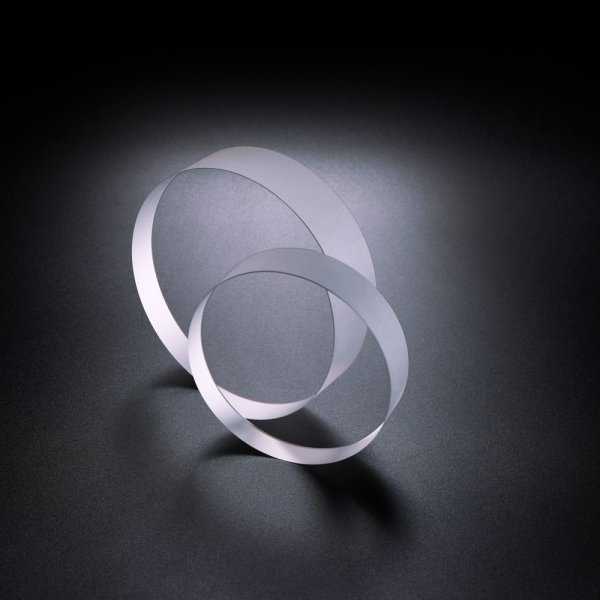
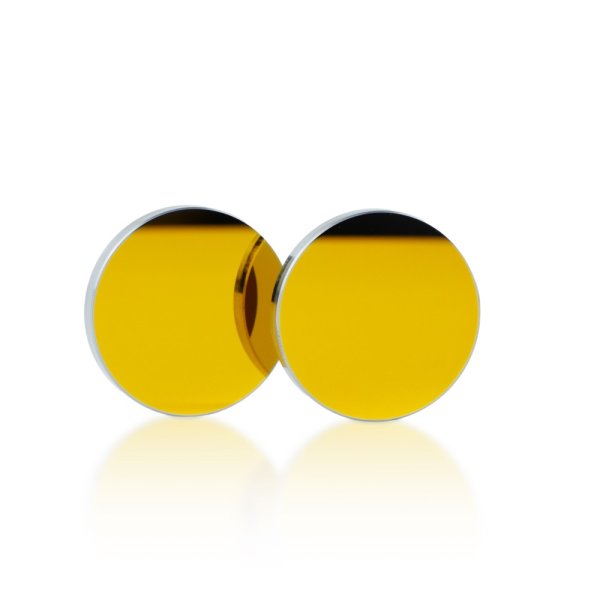
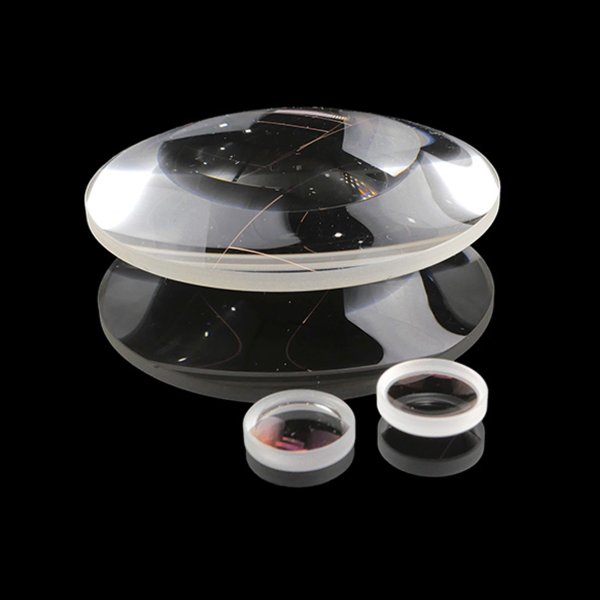
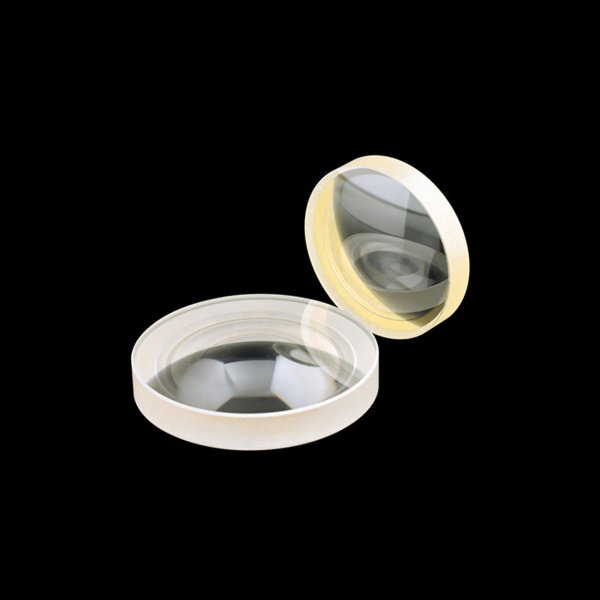
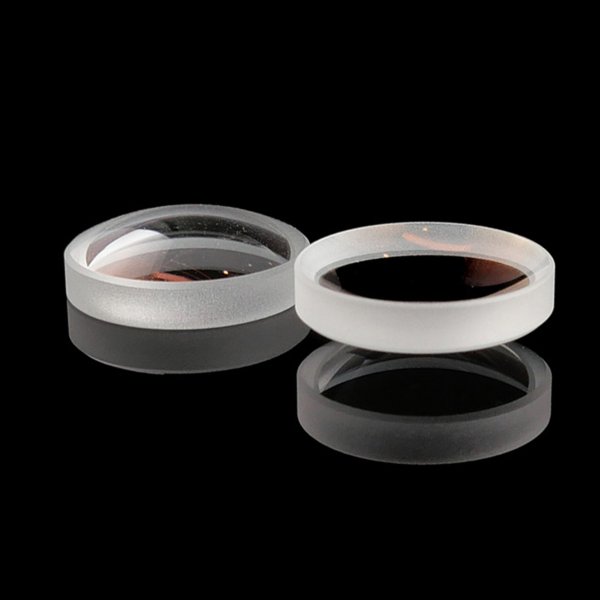
Lithium fluoride (LiF) lenses are important optical materials with unique physical and chemical properties, widely used in various optical fields. Their excellent optical performance and wide wavelength coverage make them important in ultraviolet, visible, and infrared optics. However, due to their sensitivity to thermal shock and hygroscopic properties, appropriate protective measures must be taken during use to prevent deliquescence and deformation.
Material properties
1. Crystal structure : Lithium fluoride crystals are usually cubic and have good optical isotropy, which means that their optical properties are uniform in all directions.
2. Refractive index : Lithium fluoride has a low refractive index of about 1.39, which is low in the visible light range. This enables it to change the direction of light at a smaller angle when making lenses, thereby reducing energy loss and image distortion.
3. Transmission range : LiF crystals have extremely high transmittance in the range of vacuum ultraviolet (VUV) to infrared (IR), especially in the vacuum ultraviolet region (110nm to 700nm), where their transmission performance is particularly outstanding.
4. Physical properties : Lithium fluoride has a crystal density of 2.64 g/cm³ and a melting point of 870°C. It has medium hardness and hygroscopicity, is sensitive to thermal shock, and easily softens at high temperatures.
Optical wavelength range
The optical wavelength range of lithium fluoride lenses is very large, from the vacuum ultraviolet (VUV) to the infrared (IR) region. Specifically:
• Vacuum ultraviolet band : From 110nm to 700nm, lithium fluoride crystals show extremely high transmittance and are one of the better VUV emitters currently available.
• Visible light band : In the visible light range, lithium fluoride crystals also have good transmission properties and are suitable for manufacturing optical lenses, prisms and other components.
• Infrared band : In the infrared band, lithium fluoride crystal has a low refractive index and can be used directly without reflective coating. It is often used as a window material for infrared lasers and infrared night vision devices.
Application Scenario
1. Ultraviolet optical system : Due to its high transmittance in the vacuum ultraviolet band, lithium fluoride lenses are widely used in ultraviolet optical systems, such as ultraviolet laser transmission and deep ultraviolet spectroscopy.
2. Infrared optical systems : Lithium fluoride lenses are also widely used in infrared optical systems, such as thermal imaging systems, aerospace optical systems and excimer laser optical systems.
3. X-ray detectors : Lithium fluoride crystals are highly sensitive to X-rays and are therefore widely used in X-ray detectors to detect and convert X-rays into visible light signals.
4. OLED display : Due to its excellent optical properties, lithium fluoride crystals are used as coating materials for OLED displays to improve the performance and stability of the display.
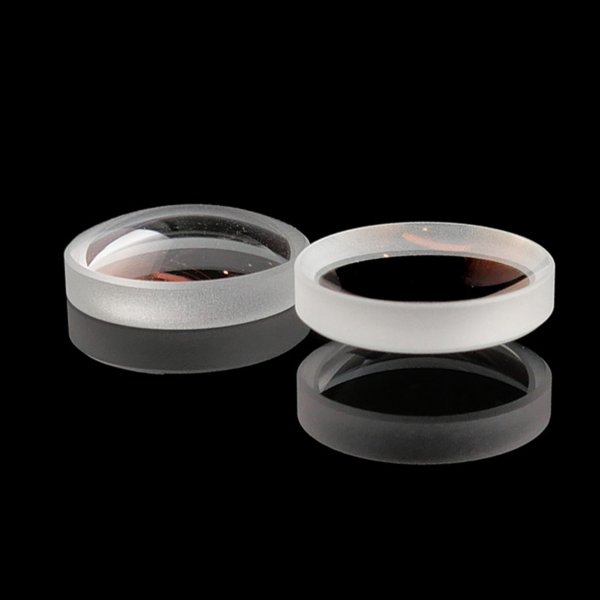
Lithium fluoride (LiF) lenses are important optical materials with unique physical and chemical properties, widely used in various optical fields. Their excellent optical performance and wide wavelength coverage make them important in ultraviolet, visible, and infrared optics. However, due to their sensitivity to thermal shock and hygroscopic properties, appropriate protective measures must be taken during use to prevent deliquescence and deformation.
Material properties
1. Crystal structure : Lithium fluoride crystals are usually cubic and have good optical isotropy, which means that their optical properties are uniform in all directions.
2. Refractive index : Lithium fluoride has a low refractive index of about 1.39, which is low in the visible light range. This enables it to change the direction of light at a smaller angle when making lenses, thereby reducing energy loss and image distortion.
3. Transmission range : LiF crystals have extremely high transmittance in the range of vacuum ultraviolet (VUV) to infrared (IR), especially in the vacuum ultraviolet region (110nm to 700nm), where their transmission performance is particularly outstanding.
4. Physical properties : Lithium fluoride has a crystal density of 2.64 g/cm³ and a melting point of 870°C. It has medium hardness and hygroscopicity, is sensitive to thermal shock, and easily softens at high temperatures.
Optical wavelength range
The optical wavelength range of lithium fluoride lenses is very large, from the vacuum ultraviolet (VUV) to the infrared (IR) region. Specifically:
• Vacuum ultraviolet band : From 110nm to 700nm, lithium fluoride crystals show extremely high transmittance and are one of the better VUV emitters currently available.
• Visible light band : In the visible light range, lithium fluoride crystals also have good transmission properties and are suitable for manufacturing optical lenses, prisms and other components.
• Infrared band : In the infrared band, lithium fluoride crystal has a low refractive index and can be used directly without reflective coating. It is often used as a window material for infrared lasers and infrared night vision devices.
Application Scenario
1. Ultraviolet optical system : Due to its high transmittance in the vacuum ultraviolet band, lithium fluoride lenses are widely used in ultraviolet optical systems, such as ultraviolet laser transmission and deep ultraviolet spectroscopy.
2. Infrared optical systems : Lithium fluoride lenses are also widely used in infrared optical systems, such as thermal imaging systems, aerospace optical systems and excimer laser optical systems.
3. X-ray detectors : Lithium fluoride crystals are highly sensitive to X-rays and are therefore widely used in X-ray detectors to detect and convert X-rays into visible light signals.
4. OLED display : Due to its excellent optical properties, lithium fluoride crystals are used as coating materials for OLED displays to improve the performance and stability of the display.