Clear records
history record
cancel
Clear records
history record






 The browser own share function is also very useful~
 Service
 Service
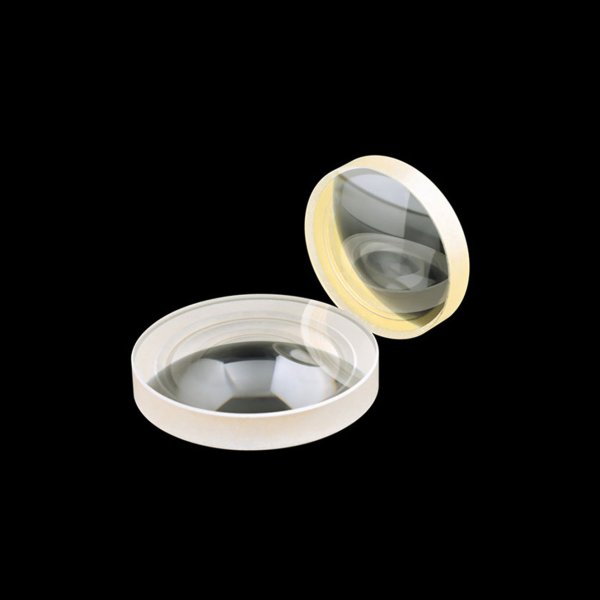
The excellent transmittance of optical zinc sulfide lenses in the infrared band makes them an indispensable and important optical component in many infrared-related application fields. They are widely used in infrared imaging, infrared guidance, infrared communication, infrared detection and many other aspects.
Application of optical zinc sulfide lens
Thermal imaging and night vision equipment: Zinc sulfide lenses used in thermal imagers and infrared night vision devices efficiently transmit infrared radiation, helping the devices clearly detect and identify targets in darkness or low-light environments. For example, nighttime surveillance equipment in security monitoring and nighttime reconnaissance equipment in the military use zinc sulfide lenses to achieve infrared imaging of targets.
Forward-looking infrared system: The forward-looking infrared system used in aircraft, vehicles, etc. can help drivers or operators obtain infrared image information in front at night or in bad weather conditions, thereby improving the safety and accuracy of driving or flying.
Infrared guidance system: In the infrared guidance system of missiles and other weapons that can maintain stable optical performance during the flight of the missile, zinc sulfide lenses can accurately transmit infrared signals, enabling the missile to accurately track and hit the target. Its high hardness and ability to withstand harsh environments enable it to maintain stable optical performance during the flight of the missile.
Laser Processing: In laser processing equipment such as laser cutting, welding, and drilling, zinc sulfide lenses can be used to focus the laser beam, increasing the laser's energy density and enabling precise material processing. For example, laser processing technology is widely used in industries such as automotive and electronic equipment manufacturing, and zinc sulfide lenses are important optical components.
Laser communications: In free-space laser communication systems, zinc sulfide lenses can collimate and focus laser signals, ensuring accurate transmission. They play a vital role in long-distance, high-speed laser communications, improving communication quality and stability.
Laser medical treatment: In some laser medical equipment, such as laser beauty devices, laser massage devices, etc., zinc sulfide lenses are used to focus the laser beam onto human tissue to achieve massage or cosmetic effects on diseased tissue.
Scientific research experiments: In various experiments in the field of scientific research, zinc sulfide lenses are often used to build optical experimental systems to study physical phenomena such as light propagation, refraction, and reflection, as well as to study the optical properties of materials.
Commonly used wavelengths of zinc sulfide lenses
Visible Light Band: Zinc sulfide has a certain transmittance within the visible light range, allowing some light transmission in the visible light region of approximately 400-700 nanometers. However, its transmittance in the visible light band is relatively less outstanding than in the infrared band. In some visible light path applications where optical requirements are less stringent, zinc sulfide lenses can also play a role, such as serving as auxiliary optical components in simple optical instruments that require both visible and infrared light transmittance.
Infrared band: This is the most important and widely used band for optical zinc sulfide lenses
Near-infrared band: Zinc sulfide lenses have excellent transmittance for near-infrared light, typically efficiently transmitting light in the near-infrared region between 0.8 and 2.5 microns. They are commonly used optical components in near-infrared optical communications and near-infrared imaging. For example, in some near-infrared spectrometers, they are used to focus and transmit near-infrared light for accurate analysis of a sample's spectral characteristics.
Mid-infrared Band: ZnS lenses also exhibit good transmittance in the mid-infrared band, roughly between 3 and 5 microns. This makes them widely used in mid-infrared thermal imaging and mid-infrared detection in certain industrial fields. For example, when using mid-infrared thermal imaging to monitor the temperature distribution of industrial equipment, ZnS lenses can help achieve clear and accurate thermal images.
Partial Long Infrared Bands: ZnS lenses also achieve a certain degree of transmittance in the long infrared band, ranging from 8 to 12 microns. While their transmittance in this band may be slightly lower than in the previous bands, they can still meet the needs of some specific applications. For example, in some specialized long infrared scientific observation experiments, they can be used as optional optical components for light transmission and focusing.
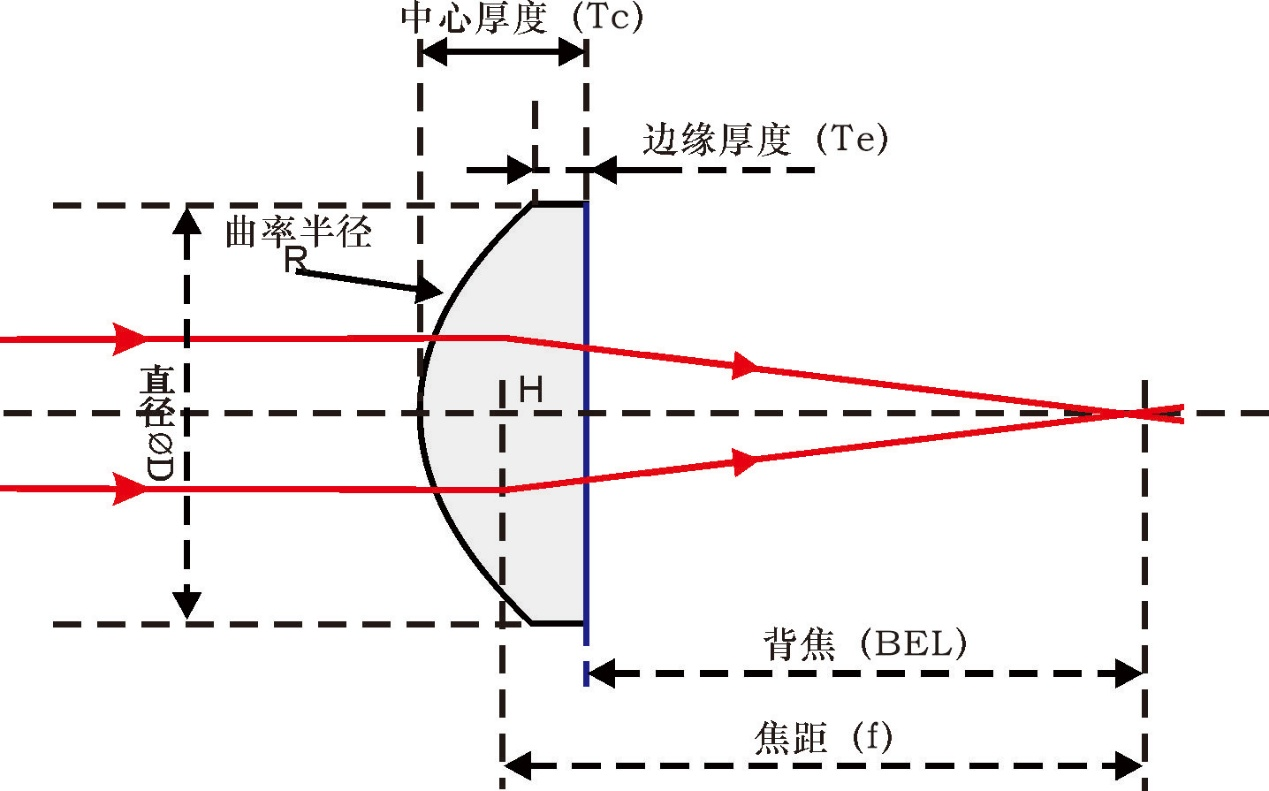
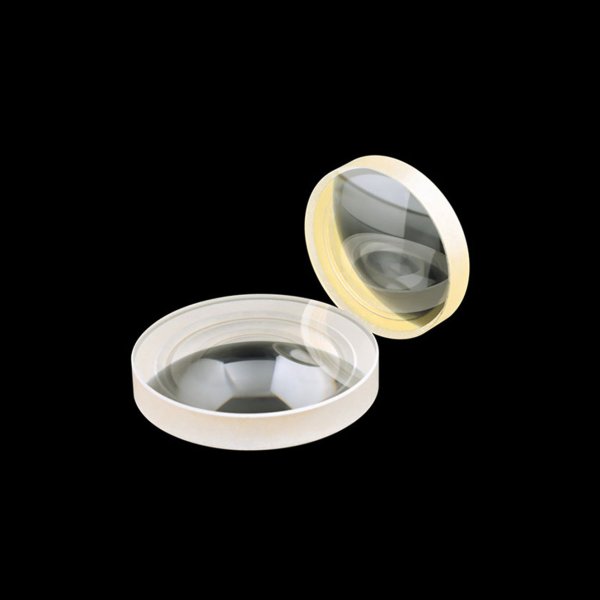
The excellent transmittance of optical zinc sulfide lenses in the infrared band makes them an indispensable and important optical component in many infrared-related application fields. They are widely used in infrared imaging, infrared guidance, infrared communication, infrared detection and many other aspects.
ServiceServiceThe excellent transmittance of optical zinc sulfide lenses in the infrared band makes them an indispensable and important optical component in many infrared-related application fields. They are widely used in infrared imaging, infrared guidance, infrared communication, infrared detection and many other aspects.
Application of optical zinc sulfide lens
Thermal imaging and night vision equipment: Zinc sulfide lenses used in thermal imagers and infrared night vision devices efficiently transmit infrared radiation, helping the devices clearly detect and identify targets in darkness or low-light environments. For example, nighttime surveillance equipment in security monitoring and nighttime reconnaissance equipment in the military use zinc sulfide lenses to achieve infrared imaging of targets.
Forward-looking infrared system: The forward-looking infrared system used in aircraft, vehicles, etc. can help drivers or operators obtain infrared image information in front at night or in bad weather conditions, thereby improving the safety and accuracy of driving or flying.
Infrared guidance system: In the infrared guidance system of missiles and other weapons that can maintain stable optical performance during the flight of the missile, zinc sulfide lenses can accurately transmit infrared signals, enabling the missile to accurately track and hit the target. Its high hardness and ability to withstand harsh environments enable it to maintain stable optical performance during the flight of the missile.
Laser Processing: In laser processing equipment such as laser cutting, welding, and drilling, zinc sulfide lenses can be used to focus the laser beam, increasing the laser's energy density and enabling precise material processing. For example, laser processing technology is widely used in industries such as automotive and electronic equipment manufacturing, and zinc sulfide lenses are important optical components.
Laser communications: In free-space laser communication systems, zinc sulfide lenses can collimate and focus laser signals, ensuring accurate transmission. They play a vital role in long-distance, high-speed laser communications, improving communication quality and stability.
Laser medical treatment: In some laser medical equipment, such as laser beauty devices, laser massage devices, etc., zinc sulfide lenses are used to focus the laser beam onto human tissue to achieve massage or cosmetic effects on diseased tissue.
Scientific research experiments: In various experiments in the field of scientific research, zinc sulfide lenses are often used to build optical experimental systems to study physical phenomena such as light propagation, refraction, and reflection, as well as to study the optical properties of materials.
Commonly used wavelengths of zinc sulfide lenses
Visible Light Band: Zinc sulfide has a certain transmittance within the visible light range, allowing some light transmission in the visible light region of approximately 400-700 nanometers. However, its transmittance in the visible light band is relatively less outstanding than in the infrared band. In some visible light path applications where optical requirements are less stringent, zinc sulfide lenses can also play a role, such as serving as auxiliary optical components in simple optical instruments that require both visible and infrared light transmittance.
Infrared band: This is the most important and widely used band for optical zinc sulfide lenses
Near-infrared band: Zinc sulfide lenses have excellent transmittance for near-infrared light, typically efficiently transmitting light in the near-infrared region between 0.8 and 2.5 microns. They are commonly used optical components in near-infrared optical communications and near-infrared imaging. For example, in some near-infrared spectrometers, they are used to focus and transmit near-infrared light for accurate analysis of a sample's spectral characteristics.
Mid-infrared Band: ZnS lenses also exhibit good transmittance in the mid-infrared band, roughly between 3 and 5 microns. This makes them widely used in mid-infrared thermal imaging and mid-infrared detection in certain industrial fields. For example, when using mid-infrared thermal imaging to monitor the temperature distribution of industrial equipment, ZnS lenses can help achieve clear and accurate thermal images.
Partial Long Infrared Bands: ZnS lenses also achieve a certain degree of transmittance in the long infrared band, ranging from 8 to 12 microns. While their transmittance in this band may be slightly lower than in the previous bands, they can still meet the needs of some specific applications. For example, in some specialized long infrared scientific observation experiments, they can be used as optional optical components for light transmission and focusing.