Clear records
history record
cancel
Clear records
history record





 The browser own share function is also very useful~
 Service
 Service
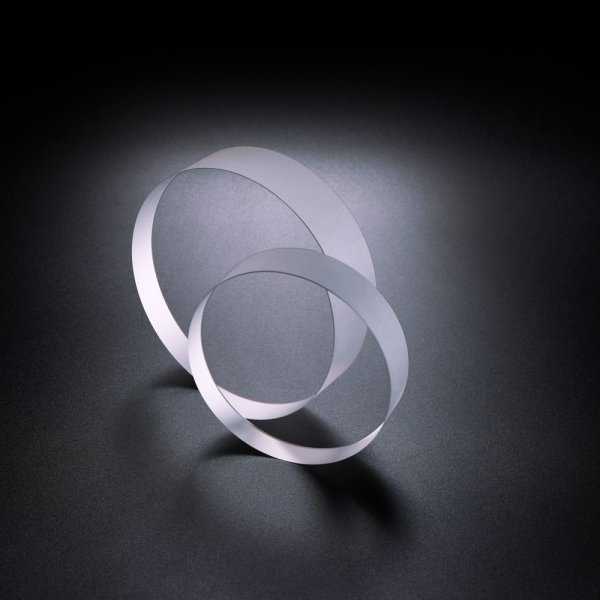
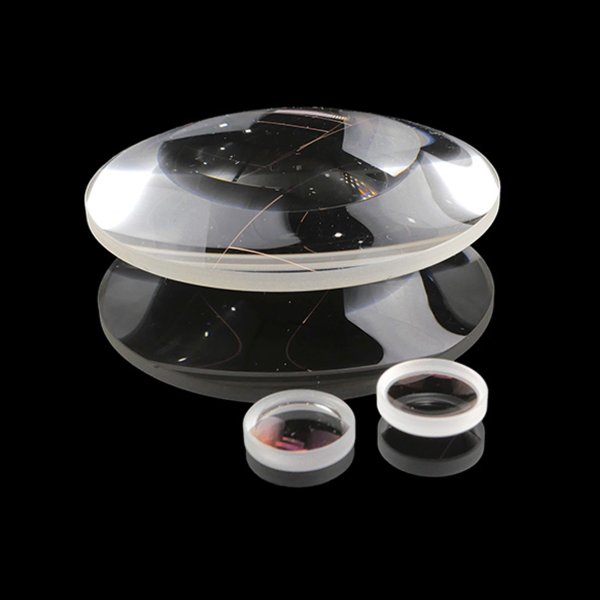
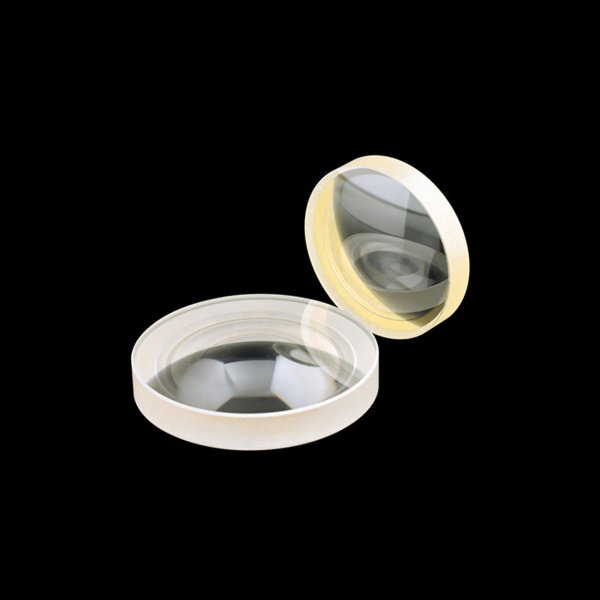
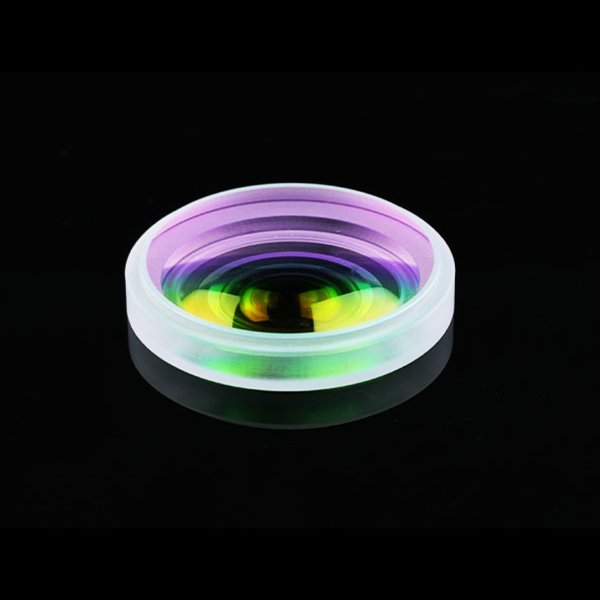
Calcium fluoride lenses, with their unique material properties and design, demonstrate superior performance in the optical field. Calcium fluoride is an optical material with a broad spectral transmittance range (180nm-8.0μm) and possesses high damage threshold, low dispersion, and high hardness. Its low refractive index and excellent chemical inertness make calcium fluoride plano-convex lenses excellent performers in a variety of optical applications.
Optical calcium fluoride lens applications and wavelengths
Ultraviolet Spectroscopic Analysis: Calcium fluoride has excellent light transmittance in the ultraviolet band and is a common window and lens material in ultraviolet spectrometers. When analyzing the ultraviolet absorption spectrum of a substance, calcium fluoride lenses accurately focus and transmit ultraviolet light, enabling the instrument to precisely measure the substance's absorption characteristics in the ultraviolet band, thereby inferring information such as the chemical structure and purity. This instrument is widely used in research and analysis in fields such as chemistry, materials science, and environmental monitoring.
Photolithography: In semiconductor manufacturing and other photolithography processes, ultraviolet light must be precisely controlled and transmitted. Calcium fluoride lenses are used to focus UV light, accurately projecting photolithographic patterns onto substrates such as silicon wafers, enabling high-precision circuit pattern printing. They are a key component in ensuring photolithography quality and accuracy.
Infrared Spectrometers: In addition to its excellent performance in the ultraviolet band, calcium fluoride also has a certain degree of light transmittance in the infrared band and can be used as a window or lens in infrared spectrometers. It assists in collecting and transmitting infrared light, helping to analyze the infrared absorption spectrum of substances to understand their molecular structure and chemical bonds, and plays a role in research in materials science, chemistry, biology, and other fields.
Thermal imaging systems: In some thermal imaging systems, calcium fluoride lenses can be used to collect and transmit infrared light.
Laser Processing: In some laser processing applications involving ultraviolet lasers, such as laser cutting, welding, and drilling, calcium fluoride lenses can be used to focus the ultraviolet laser beam, achieving precise positioning of the processing area and efficient processing. Their excellent light transmittance in the ultraviolet band ensures that the laser energy can be effectively transmitted to the processing material.
Laser optical system: It can be used as a lens element in the laser optical system to focus and collimate the ultraviolet laser beam, ensuring the normal operation of the laser system and the effective transmission of laser energy. It is more common in laser application scenarios in scientific research, industry and other fields.
Ultraviolet band: In the ultraviolet region, calcium fluoride lenses generally have good light transmittance in the 185nm - 800nm band, among which the transmittance between 200nm - 500nm is relatively higher, which is its main advantage band in ultraviolet optical applications.
Infrared band: In the infrared band, calcium fluoride lenses have a certain transmittance in the 3μm - 10μm band, but their transmittance in the infrared band is generally not as high as in the ultraviolet band, and compared with specialized infrared optical materials, their application scenarios in the infrared band are relatively few.
It should be noted that the effective operating band of calcium fluoride lenses in actual applications may vary depending on factors such as lens quality and coating conditions.
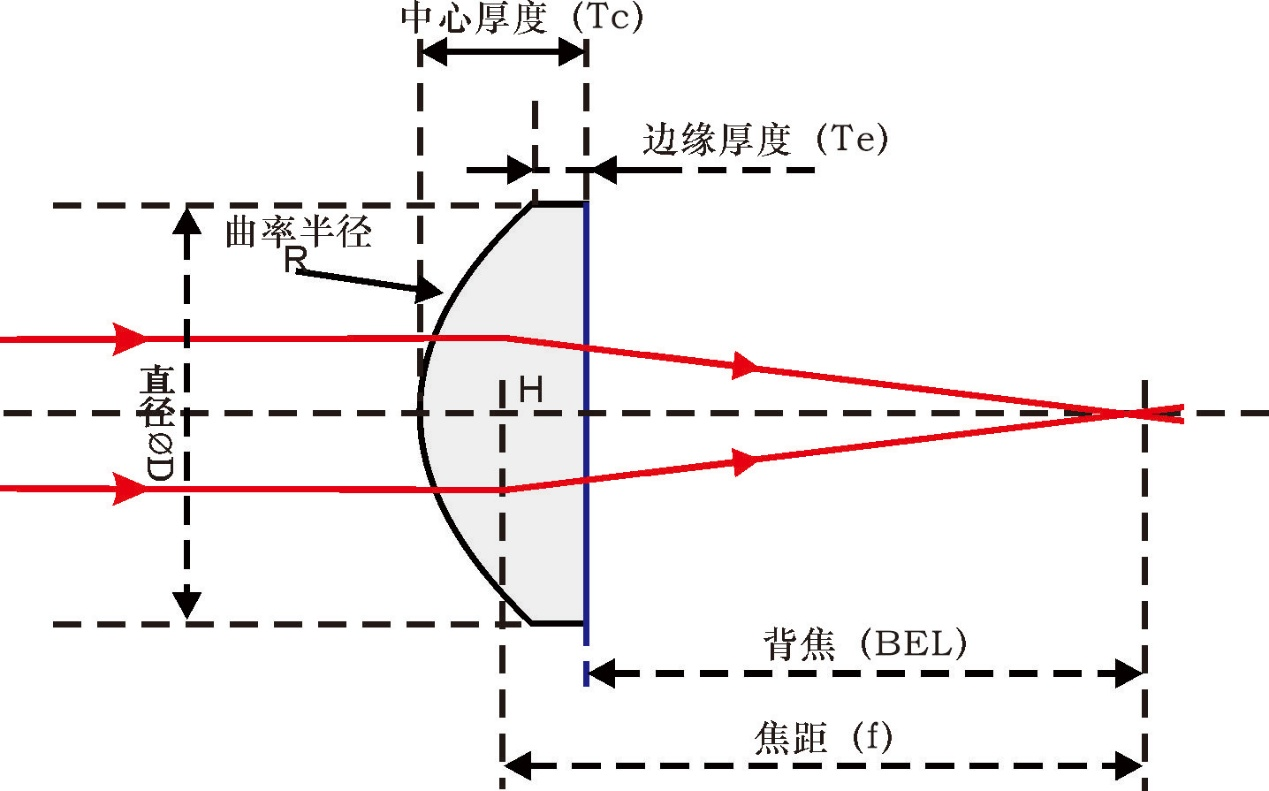
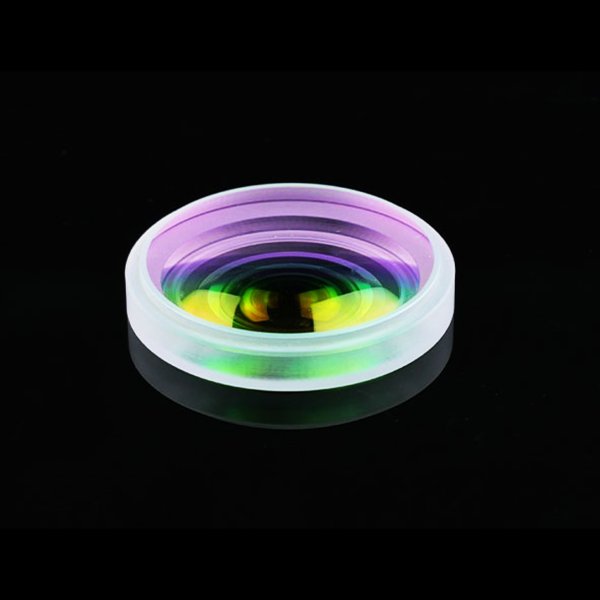
Calcium fluoride lenses, with their unique material properties and design, demonstrate superior performance in the optical field. Calcium fluoride is an optical material with a broad spectral transmittance range (180nm-8.0μm) and possesses high damage threshold, low dispersion, and high hardness. Its low refractive index and excellent chemical inertness make calcium fluoride plano-convex lenses excellent performers in a variety of optical applications.
Optical calcium fluoride lens applications and wavelengths
Ultraviolet Spectroscopic Analysis: Calcium fluoride has excellent light transmittance in the ultraviolet band and is a common window and lens material in ultraviolet spectrometers. When analyzing the ultraviolet absorption spectrum of a substance, calcium fluoride lenses accurately focus and transmit ultraviolet light, enabling the instrument to precisely measure the substance's absorption characteristics in the ultraviolet band, thereby inferring information such as the chemical structure and purity. This instrument is widely used in research and analysis in fields such as chemistry, materials science, and environmental monitoring.
Photolithography: In semiconductor manufacturing and other photolithography processes, ultraviolet light must be precisely controlled and transmitted. Calcium fluoride lenses are used to focus UV light, accurately projecting photolithographic patterns onto substrates such as silicon wafers, enabling high-precision circuit pattern printing. They are a key component in ensuring photolithography quality and accuracy.
Infrared Spectrometers: In addition to its excellent performance in the ultraviolet band, calcium fluoride also has a certain degree of light transmittance in the infrared band and can be used as a window or lens in infrared spectrometers. It assists in collecting and transmitting infrared light, helping to analyze the infrared absorption spectrum of substances to understand their molecular structure and chemical bonds, and plays a role in research in materials science, chemistry, biology, and other fields.
Thermal imaging systems: In some thermal imaging systems, calcium fluoride lenses can be used to collect and transmit infrared light.
Laser Processing: In some laser processing applications involving ultraviolet lasers, such as laser cutting, welding, and drilling, calcium fluoride lenses can be used to focus the ultraviolet laser beam, achieving precise positioning of the processing area and efficient processing. Their excellent light transmittance in the ultraviolet band ensures that the laser energy can be effectively transmitted to the processing material.
Laser optical system: It can be used as a lens element in the laser optical system to focus and collimate the ultraviolet laser beam, ensuring the normal operation of the laser system and the effective transmission of laser energy. It is more common in laser application scenarios in scientific research, industry and other fields.
Ultraviolet band: In the ultraviolet region, calcium fluoride lenses generally have good light transmittance in the 185nm - 800nm band, among which the transmittance between 200nm - 500nm is relatively higher, which is its main advantage band in ultraviolet optical applications.
Infrared band: In the infrared band, calcium fluoride lenses have a certain transmittance in the 3μm - 10μm band, but their transmittance in the infrared band is generally not as high as in the ultraviolet band, and compared with specialized infrared optical materials, their application scenarios in the infrared band are relatively few.
It should be noted that the effective operating band of calcium fluoride lenses in actual applications may vary depending on factors such as lens quality and coating conditions.