Clear records
history record
cancel
Clear records
history record






 The browser own share function is also very useful~
 Service
 Service
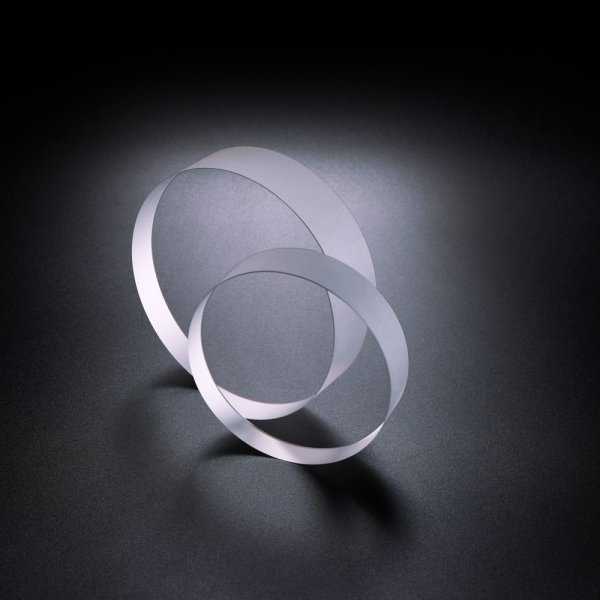
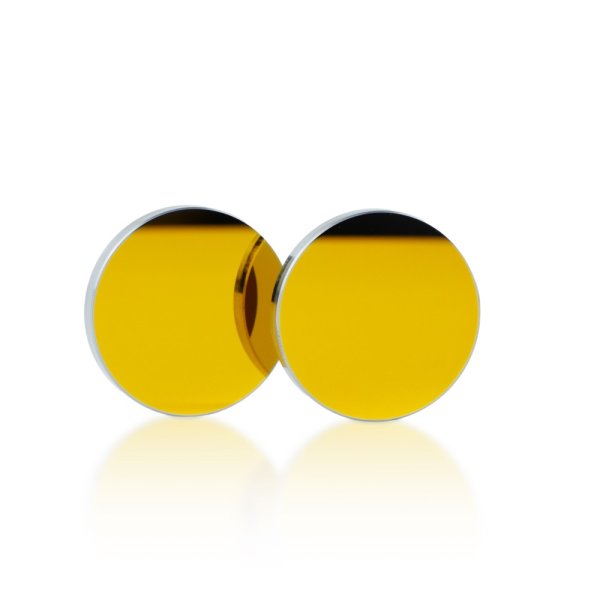
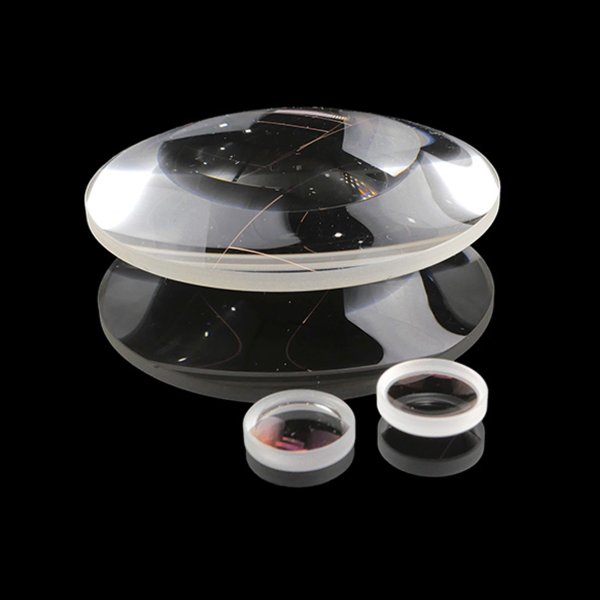
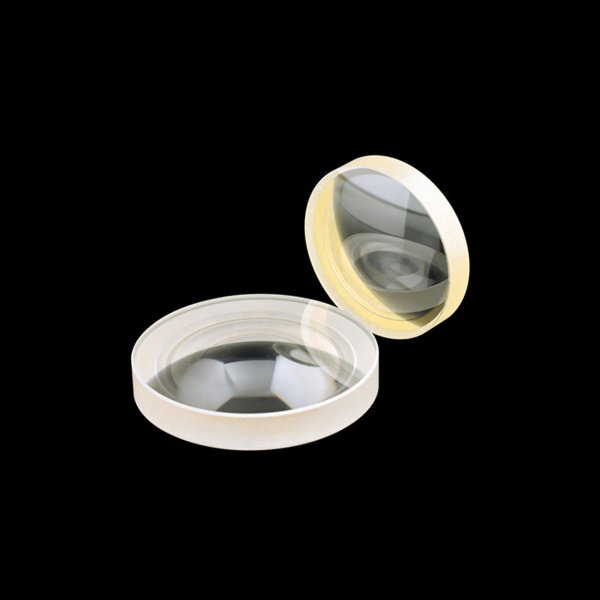
Due to its excellent optical performance and physical and chemical properties, magnesium fluoride lenses have important application value in a wide range of wavelengths from ultraviolet to infrared, and are suitable for optical systems in various harsh environments.
Material properties
1. Refractive index : The refractive index of magnesium fluoride is approximately 1.38 to 1.413, and the specific value varies with wavelength.
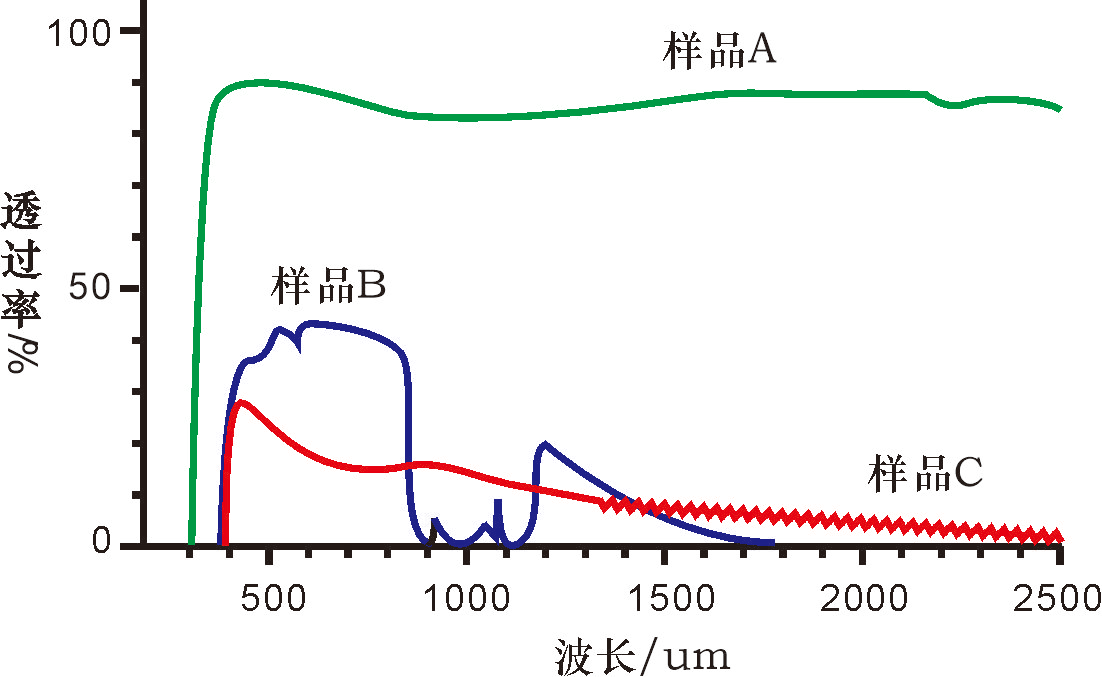
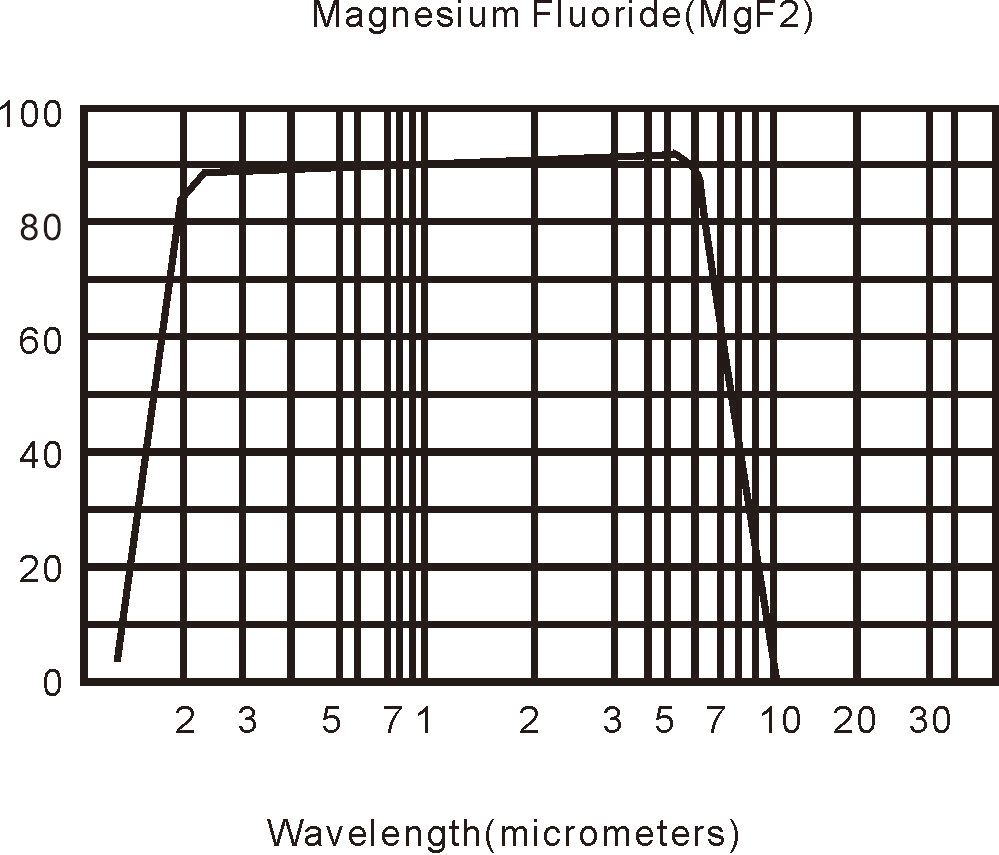
2. Transmittance range : Magnesium fluoride has an extremely wide transmittance range, from deep ultraviolet (UV) to infrared (IR), covering a wavelength range of 0.12 microns to 7.5 microns.
3. Mechanical properties : Magnesium fluoride has high hardness (Knoop hardness is 415), good impact resistance and thermal shock resistance, and a melting point of 1255°C.
4. Chemical stability : Magnesium fluoride is chemically stable and insoluble in water and ethanol, but soluble in nitric acid.
5. Thermal properties : Magnesium fluoride has a low thermal expansion coefficient and high thermal conductivity, making it suitable for use in high temperature environments.
Magnesium Fluoride lenses excel in the following wavelength ranges:
Ultraviolet band : from deep ultraviolet (such as 120nm) to mid-ultraviolet (such as 200nm).
Visible light band : from visible light to near infrared (such as 700nm).
Infrared band : from near infrared to far infrared (such as 7.5 microns).
Application Scenario
Ultraviolet optical system : Due to its high transmittance in the deep ultraviolet band, magnesium fluoride lenses are widely used in ultraviolet optical systems such as excimer lasers, ultraviolet radiation sources and receivers.
Infrared optical system : Magnesium fluoride lenses are also widely used in infrared optical systems, such as infrared guidance, infrared imaging guidance systems, and infrared gas analysis instruments.
Laser technology : Magnesium fluoride lenses are often used for laser transmission and focusing, especially in high-power laser systems.
Microscopes and Telescopes : Due to their excellent optical properties, magnesium fluoride lenses are also used in high-quality microscopes and astronomical telescopes.
Industrial applications : Magnesium fluoride lenses also have important applications in machine vision, industrial inspection and other fields, especially in environments that require high temperature resistance and impact resistance.
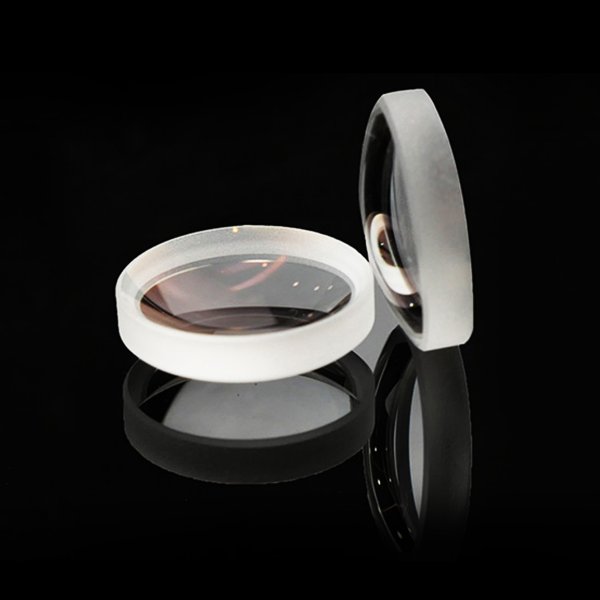
Due to its excellent optical performance and physical and chemical properties, magnesium fluoride lenses have important application value in a wide range of wavelengths from ultraviolet to infrared, and are suitable for optical systems in various harsh environments.
ServiceServiceDue to its excellent optical performance and physical and chemical properties, magnesium fluoride lenses have important application value in a wide range of wavelengths from ultraviolet to infrared, and are suitable for optical systems in various harsh environments.
Material properties
1. Refractive index : The refractive index of magnesium fluoride is approximately 1.38 to 1.413, and the specific value varies with wavelength.
2. Transmittance range : Magnesium fluoride has an extremely wide transmittance range, from deep ultraviolet (UV) to infrared (IR), covering a wavelength range of 0.12 microns to 7.5 microns.
3. Mechanical properties : Magnesium fluoride has high hardness (Knoop hardness is 415), good impact resistance and thermal shock resistance, and a melting point of 1255°C.
4. Chemical stability : Magnesium fluoride is chemically stable and insoluble in water and ethanol, but soluble in nitric acid.
5. Thermal properties : Magnesium fluoride has a low thermal expansion coefficient and high thermal conductivity, making it suitable for use in high temperature environments.
Magnesium Fluoride lenses excel in the following wavelength ranges:
Ultraviolet band : from deep ultraviolet (such as 120nm) to mid-ultraviolet (such as 200nm).
Visible light band : from visible light to near infrared (such as 700nm).
Infrared band : from near infrared to far infrared (such as 7.5 microns).
Application Scenario
Ultraviolet optical system : Due to its high transmittance in the deep ultraviolet band, magnesium fluoride lenses are widely used in ultraviolet optical systems such as excimer lasers, ultraviolet radiation sources and receivers.
Infrared optical system : Magnesium fluoride lenses are also widely used in infrared optical systems, such as infrared guidance, infrared imaging guidance systems, and infrared gas analysis instruments.
Laser technology : Magnesium fluoride lenses are often used for laser transmission and focusing, especially in high-power laser systems.
Microscopes and Telescopes : Due to their excellent optical properties, magnesium fluoride lenses are also used in high-quality microscopes and astronomical telescopes.
Industrial applications : Magnesium fluoride lenses also have important applications in machine vision, industrial inspection and other fields, especially in environments that require high temperature resistance and impact resistance.