Clear records
history record
cancel
Clear records
history record





 The browser own share function is also very useful~
 Service
 Service
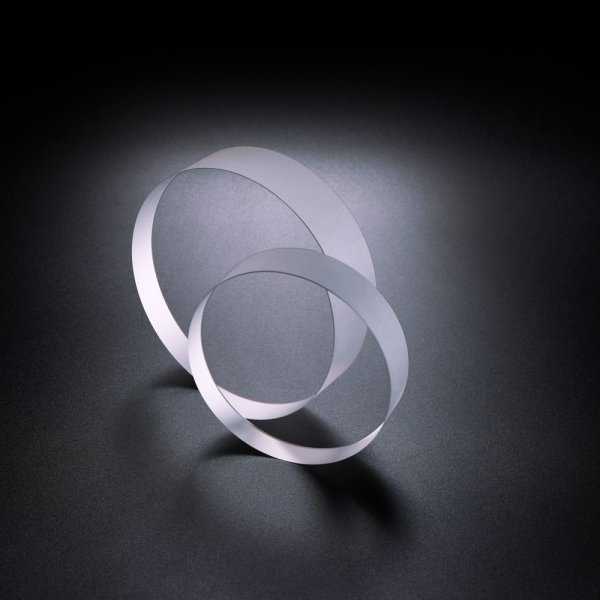
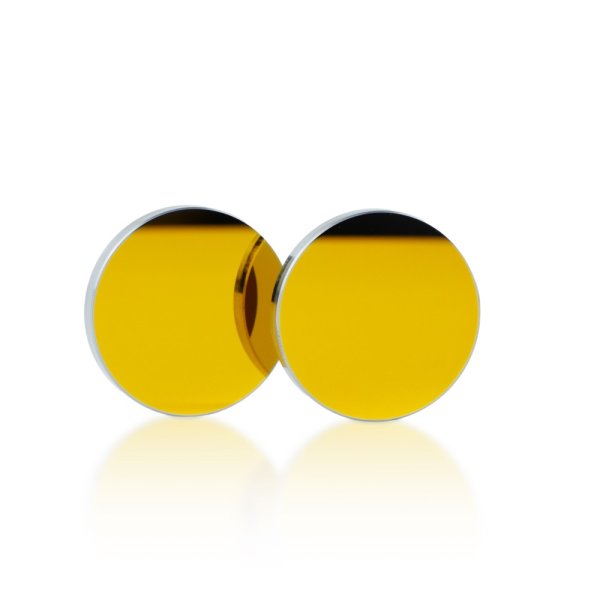
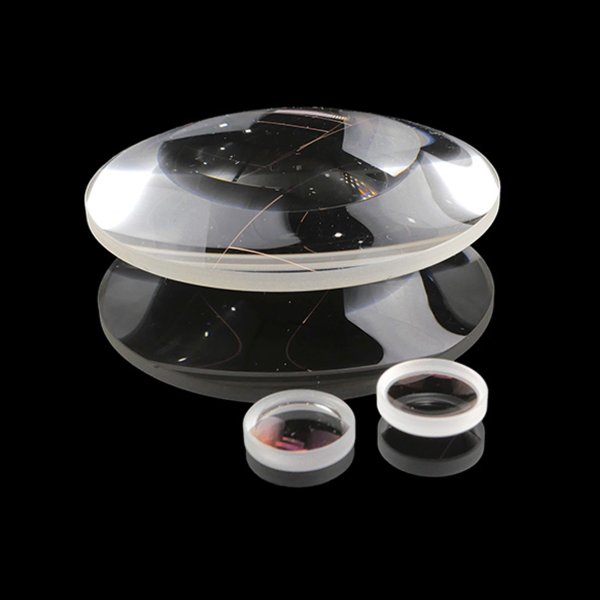
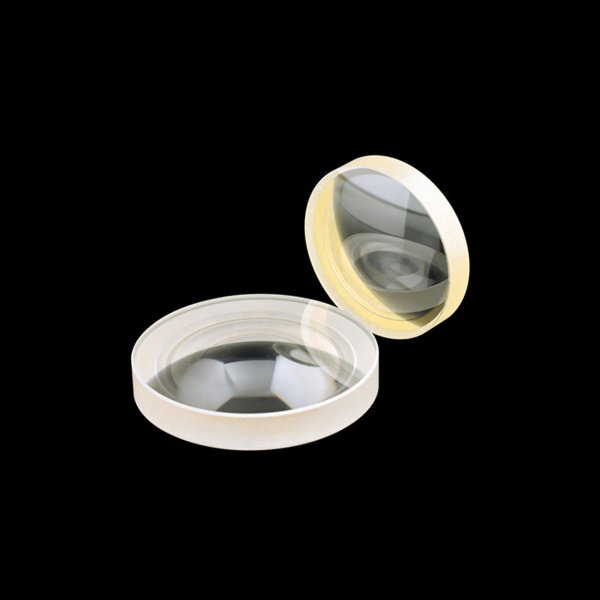
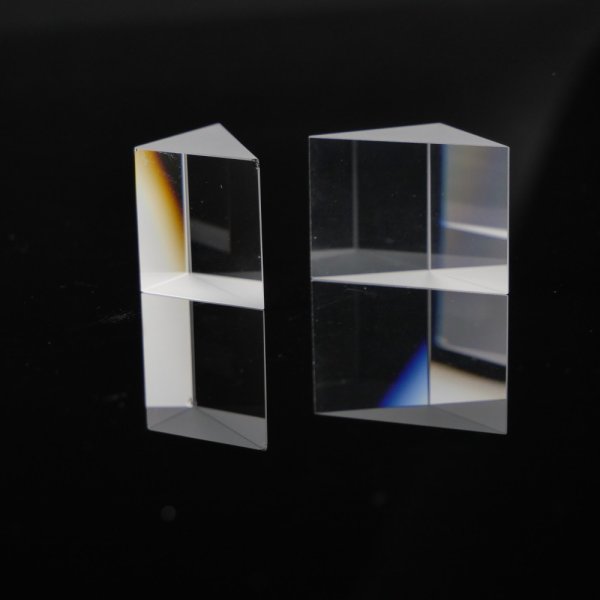
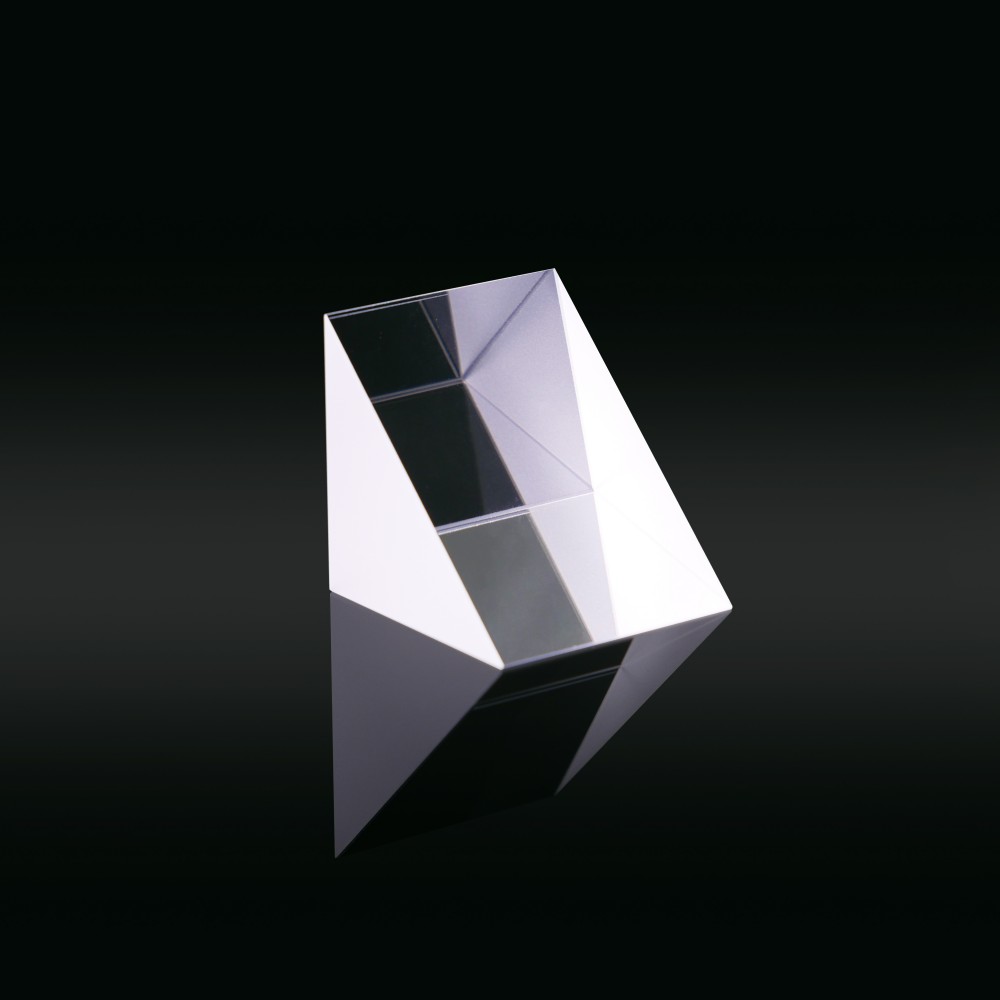
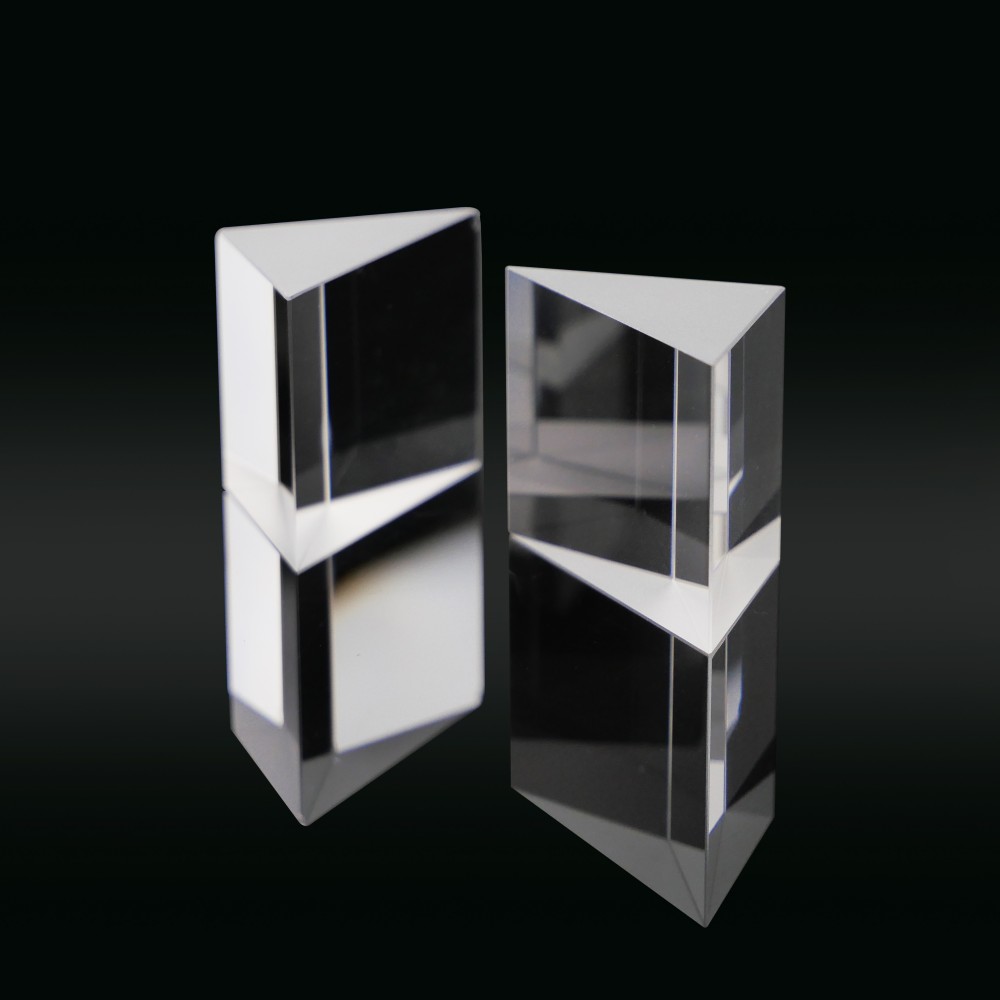
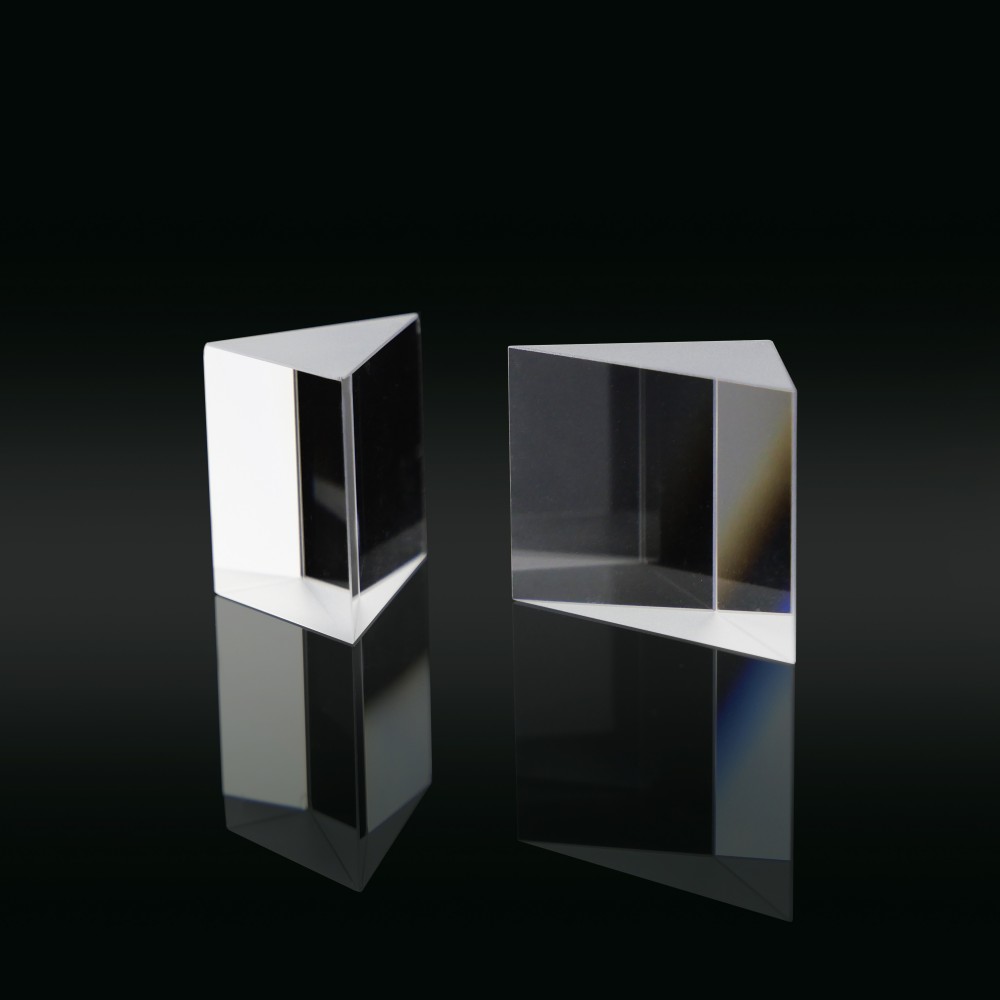
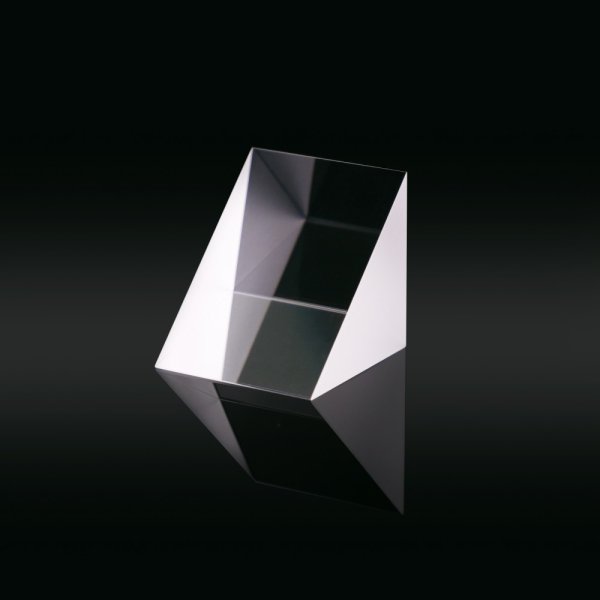
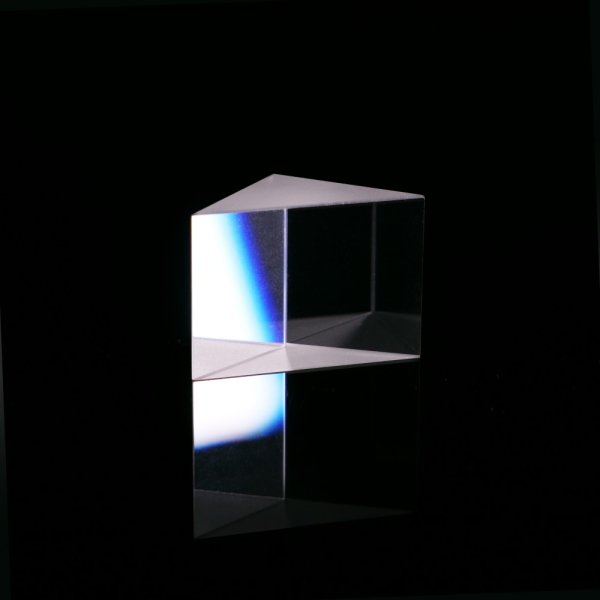
Calcium fluoride (CaF₂ ) is a widely used optical material. CaF₂ prisms are made of high-quality crystalline calcium fluoride. Its unique combination of transparency, mechanical durability, and low refractive index makes it an ideal material for a variety of demanding optical applications.
Performance characteristics of CaF₂ optical prisms
Broad Spectral Transparency: Calcium fluoride offers excellent transmittance across a broad spectral range, from the deep ultraviolet (UV) to the infrared. Its transmission window extends from approximately 0.13 µm (UV) to approximately 8 µm (IR), making it an ideal material for applications requiring precise optical manipulation across multiple wavelengths. This broad transparency range is particularly useful for optical systems that must simultaneously process UV and IR light without significant performance degradation.
Low Absorption: CaF₂ exhibits low absorption across its entire spectral range, particularly in the ultraviolet and visible regions. This feature ensures minimal attenuation of light passing through the prism, resulting in high transmission efficiency and reduced signal loss. Low absorption is particularly important in applications involving high-intensity light sources, such as laser systems.
Low Refractive Index: Calcium fluoride has a relatively low refractive index (approximately 1.4 at visible wavelengths), which enables it to change the path of light with minimal bending. This property makes CaF₂ prisms ideal for applications requiring subtle adjustments to light direction or beam splitting. The low refractive index also contributes to their low dispersion, which is important for preventing chromatic aberration in optical systems.
Mechanical Strength and Durability: Calcium fluoride is a relatively hard and robust material, making it resistant to scratches and mechanical damage. It can withstand harsh environmental conditions, including high vibration and high temperature environments, without losing its optical properties. This durability makes CaF₂ prisms suitable for a variety of rugged applications.
Thermal stability: CaF₂ maintains its optical properties even over a wide temperature range. This thermal stability ensures that CaF₂ prisms remain effective in environments where temperature fluctuations are common, such as in industrial and aerospace applications.
Applications of CaF₂ Optical Prisms
Laser Systems: CaF₂ prisms are commonly used for beam steering, wavelength separation, and optical filtering in high-power laser systems. Their low absorption, high transmittance, and mechanical strength make them ideal for laser-based applications such as material processing (e.g., cutting, welding), medical lasers, and spectroscopy.
Ultraviolet and Infrared Optics: CaF₂ prisms are widely used in optical systems operating in the ultraviolet and infrared spectra due to their wide transmission range from the ultraviolet to the infrared. Applications include ultraviolet microscopy, spectroscopy, and infrared imaging systems such as thermal imagers, night vision equipment, and remote sensing.
Spectroscopy: CaF₂ prisms are used in spectrometers and spectrophotometers to disperse light into its component wavelengths for analysis. Their low dispersion and wide transmission range make them valuable in both UV and IR spectroscopy applications where high spectral resolution is required.
Medical Imaging: In medical imaging systems, particularly those using infrared and ultraviolet light, CaF₂ prisms can be used to manipulate light for precise imaging of biological tissue. Their transmission properties benefit techniques such as optical coherence tomography (OCT) and infrared thermography.
Aerospace and Military: Calcium fluoride prisms are used extensively in aerospace and military applications, such as optical systems for satellite communications, missile guidance, and surveillance. The material's transparency in the ultraviolet, visible, and infrared wavelength ranges, combined with its mechanical durability, makes it an ideal choice for rugged, high-performance systems.
Optical Instruments: Calcium fluoride prisms are used in a variety of scientific instruments, including interferometers, polarimeter instruments, and other precision optical devices. They play a vital role in accurately measuring light properties, such as polarization and wavelength, which are essential in scientific research.
Industrial Applications: In industrial environments, calcium fluoride prisms are used in optical measurement systems, laser-based manufacturing, and environmental monitoring. Their tolerance to harsh conditions and high transmission efficiency make them suitable for industrial applications requiring long-term reliability and precision.
Semiconductors and Photolithography: Calcium fluoride prisms are also used in semiconductor processing and photolithography, where ultraviolet light needs to be precisely controlled to etch patterns onto semiconductor wafers. The material's UV transparency and low absorption make it ideal for these high-precision applications.
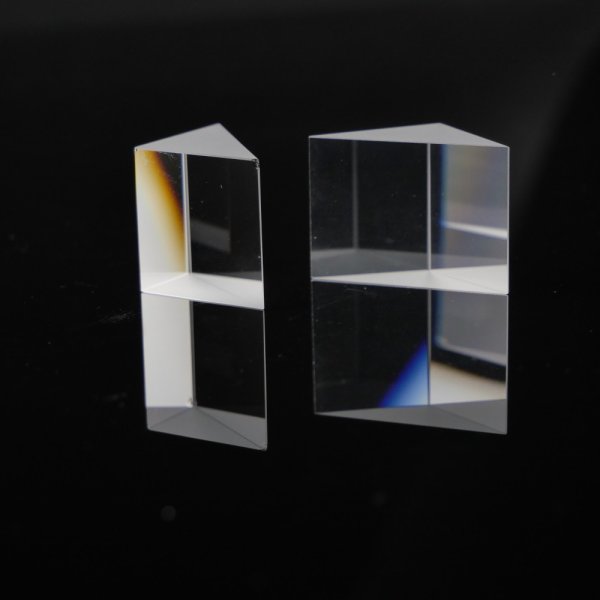
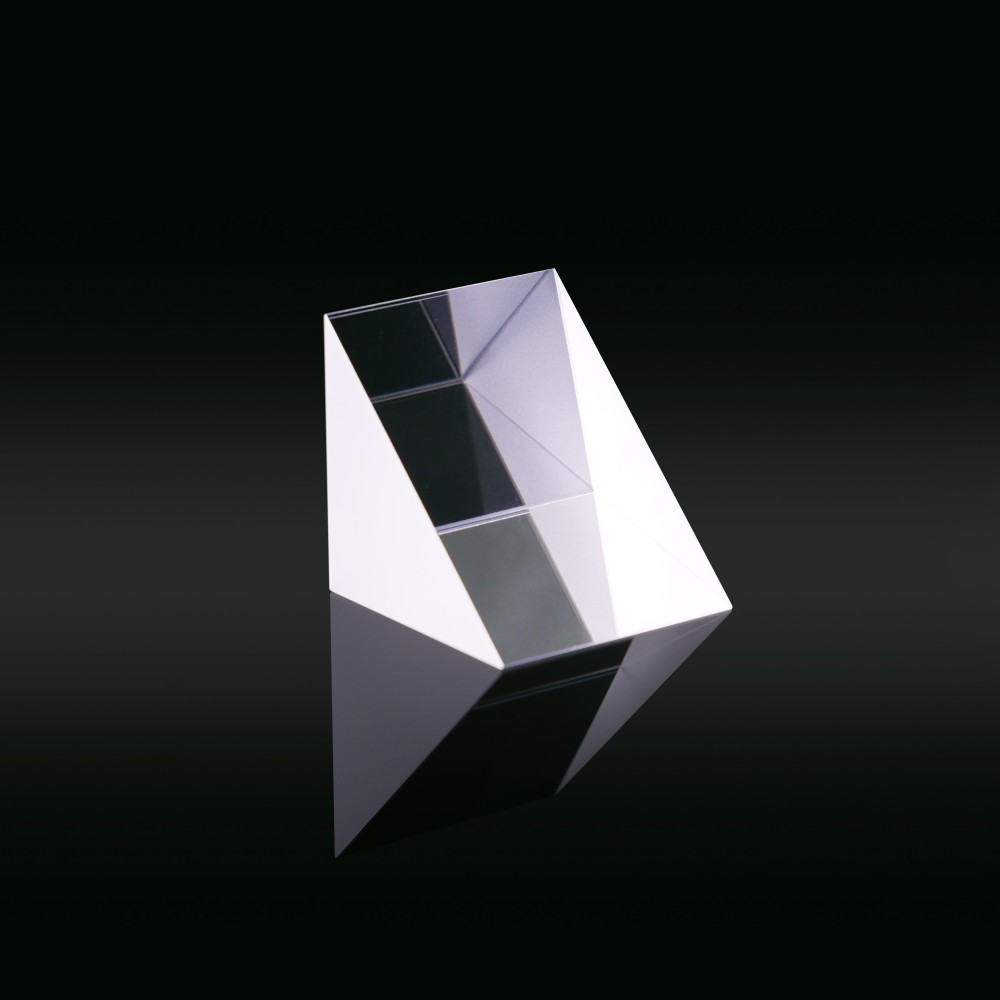
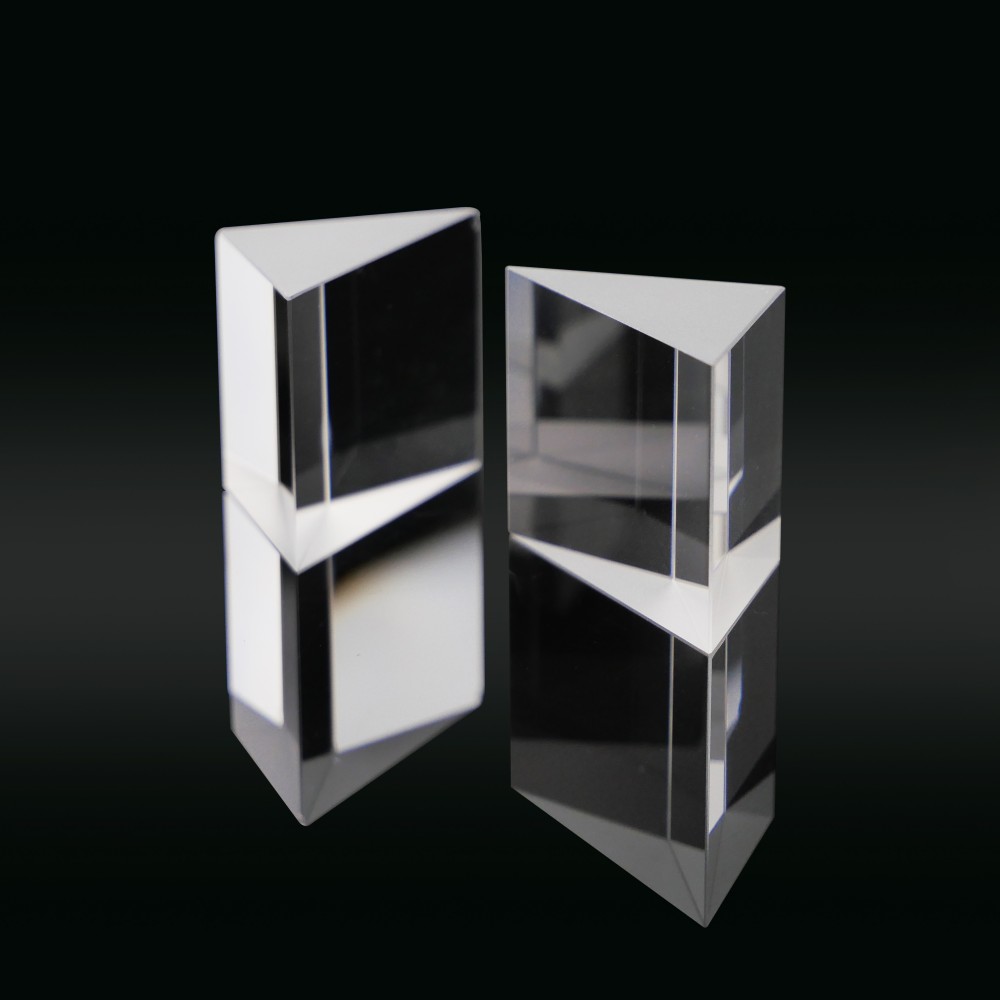
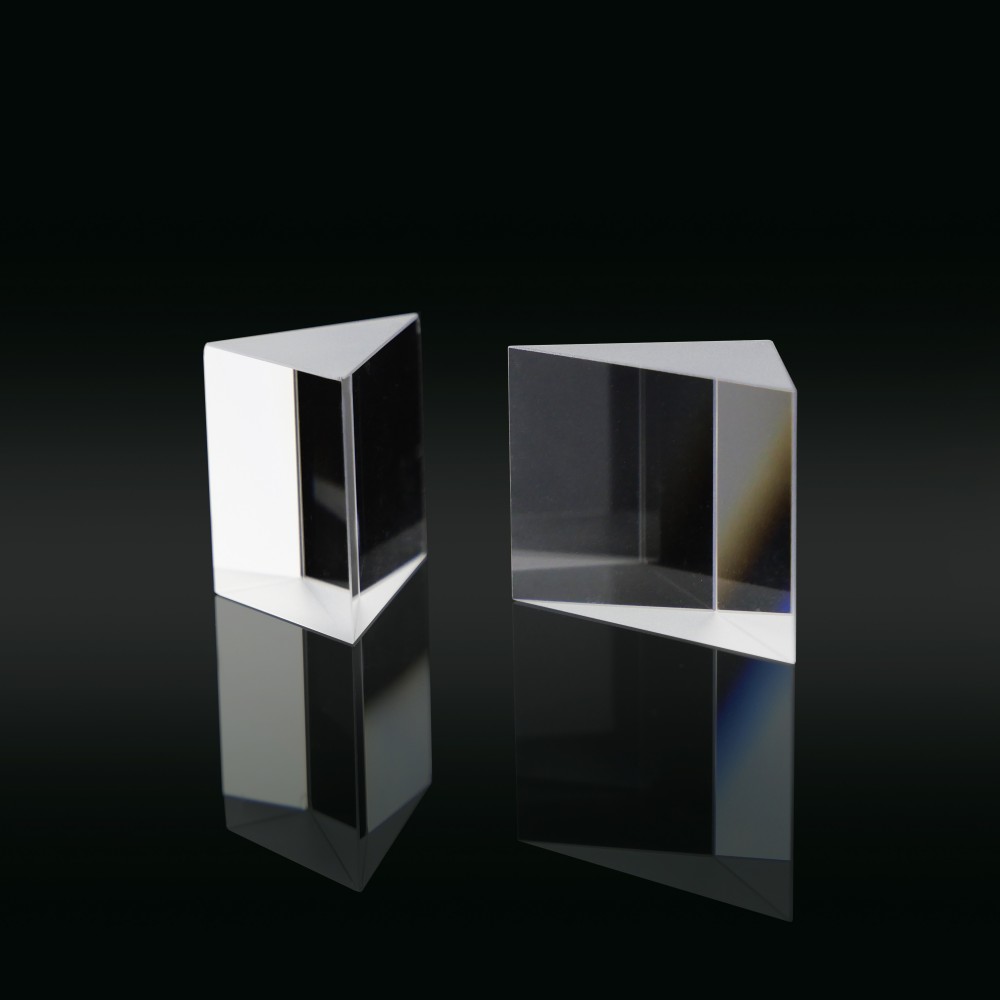
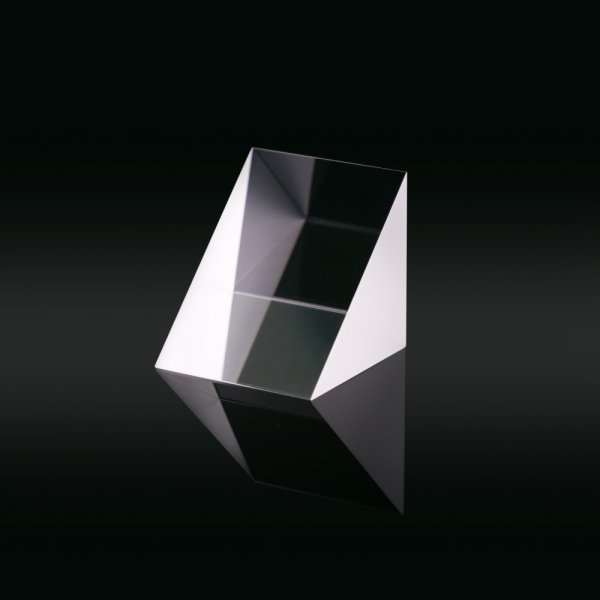
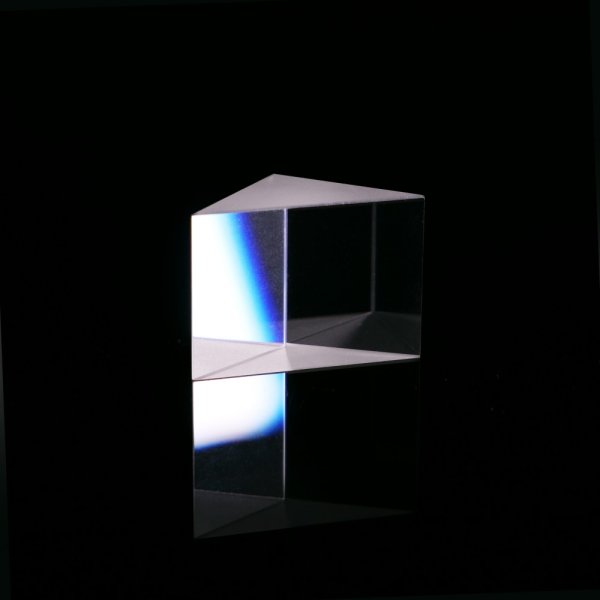
Calcium fluoride (CaF₂) is a widely used optical material. CaF₂ prisms are made of high-quality crystalline calcium fluoride. Its unique combination of transparency, mechanical durability, and low refractive index makes it an ideal material for a variety of demanding optical applications.
ServiceServiceCalcium fluoride (CaF₂ ) is a widely used optical material. CaF₂ prisms are made of high-quality crystalline calcium fluoride. Its unique combination of transparency, mechanical durability, and low refractive index makes it an ideal material for a variety of demanding optical applications.
Performance characteristics of CaF₂ optical prisms
Broad Spectral Transparency: Calcium fluoride offers excellent transmittance across a broad spectral range, from the deep ultraviolet (UV) to the infrared. Its transmission window extends from approximately 0.13 µm (UV) to approximately 8 µm (IR), making it an ideal material for applications requiring precise optical manipulation across multiple wavelengths. This broad transparency range is particularly useful for optical systems that must simultaneously process UV and IR light without significant performance degradation.
Low Absorption: CaF₂ exhibits low absorption across its entire spectral range, particularly in the ultraviolet and visible regions. This feature ensures minimal attenuation of light passing through the prism, resulting in high transmission efficiency and reduced signal loss. Low absorption is particularly important in applications involving high-intensity light sources, such as laser systems.
Low Refractive Index: Calcium fluoride has a relatively low refractive index (approximately 1.4 at visible wavelengths), which enables it to change the path of light with minimal bending. This property makes CaF₂ prisms ideal for applications requiring subtle adjustments to light direction or beam splitting. The low refractive index also contributes to their low dispersion, which is important for preventing chromatic aberration in optical systems.
Mechanical Strength and Durability: Calcium fluoride is a relatively hard and robust material, making it resistant to scratches and mechanical damage. It can withstand harsh environmental conditions, including high vibration and high temperature environments, without losing its optical properties. This durability makes CaF₂ prisms suitable for a variety of rugged applications.
Thermal stability: CaF₂ maintains its optical properties even over a wide temperature range. This thermal stability ensures that CaF₂ prisms remain effective in environments where temperature fluctuations are common, such as in industrial and aerospace applications.
Applications of CaF₂ Optical Prisms
Laser Systems: CaF₂ prisms are commonly used for beam steering, wavelength separation, and optical filtering in high-power laser systems. Their low absorption, high transmittance, and mechanical strength make them ideal for laser-based applications such as material processing (e.g., cutting, welding), medical lasers, and spectroscopy.
Ultraviolet and Infrared Optics: CaF₂ prisms are widely used in optical systems operating in the ultraviolet and infrared spectra due to their wide transmission range from the ultraviolet to the infrared. Applications include ultraviolet microscopy, spectroscopy, and infrared imaging systems such as thermal imagers, night vision equipment, and remote sensing.
Spectroscopy: CaF₂ prisms are used in spectrometers and spectrophotometers to disperse light into its component wavelengths for analysis. Their low dispersion and wide transmission range make them valuable in both UV and IR spectroscopy applications where high spectral resolution is required.
Medical Imaging: In medical imaging systems, particularly those using infrared and ultraviolet light, CaF₂ prisms can be used to manipulate light for precise imaging of biological tissue. Their transmission properties benefit techniques such as optical coherence tomography (OCT) and infrared thermography.
Aerospace and Military: Calcium fluoride prisms are used extensively in aerospace and military applications, such as optical systems for satellite communications, missile guidance, and surveillance. The material's transparency in the ultraviolet, visible, and infrared wavelength ranges, combined with its mechanical durability, makes it an ideal choice for rugged, high-performance systems.
Optical Instruments: Calcium fluoride prisms are used in a variety of scientific instruments, including interferometers, polarimeter instruments, and other precision optical devices. They play a vital role in accurately measuring light properties, such as polarization and wavelength, which are essential in scientific research.
Industrial Applications: In industrial environments, calcium fluoride prisms are used in optical measurement systems, laser-based manufacturing, and environmental monitoring. Their tolerance to harsh conditions and high transmission efficiency make them suitable for industrial applications requiring long-term reliability and precision.
Semiconductors and Photolithography: Calcium fluoride prisms are also used in semiconductor processing and photolithography, where ultraviolet light needs to be precisely controlled to etch patterns onto semiconductor wafers. The material's UV transparency and low absorption make it ideal for these high-precision applications.