Clear records
history record
cancel
Clear records
history record






 The browser own share function is also very useful~
 Service
 Service
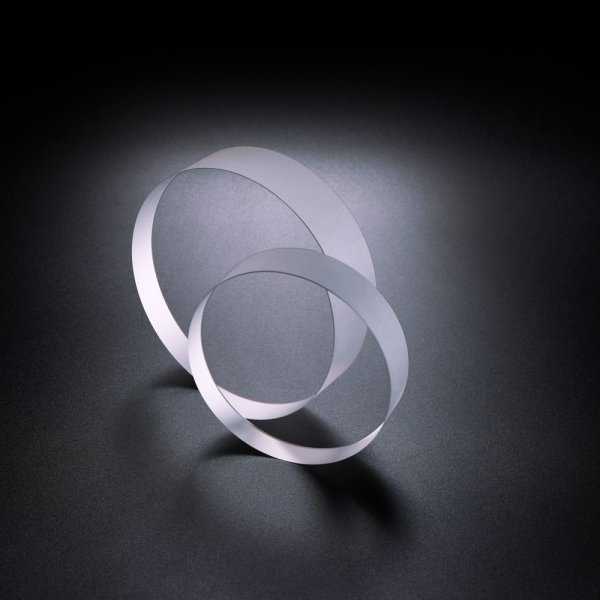
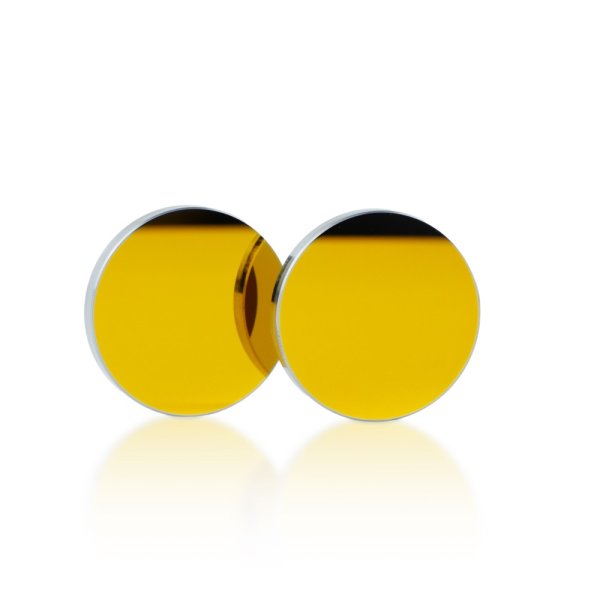
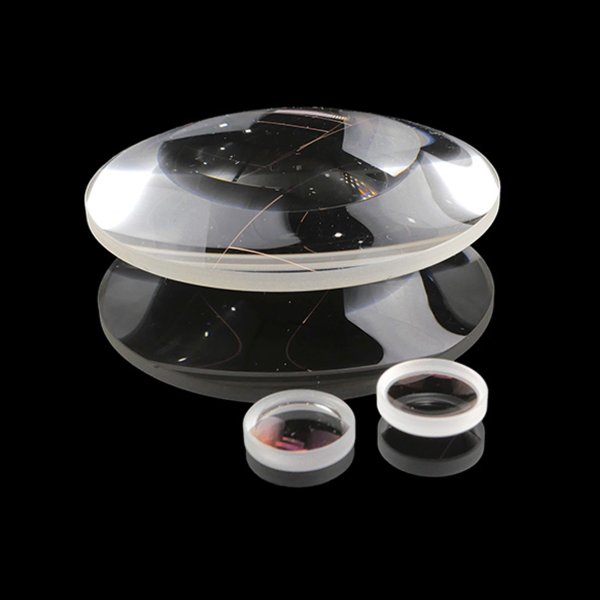
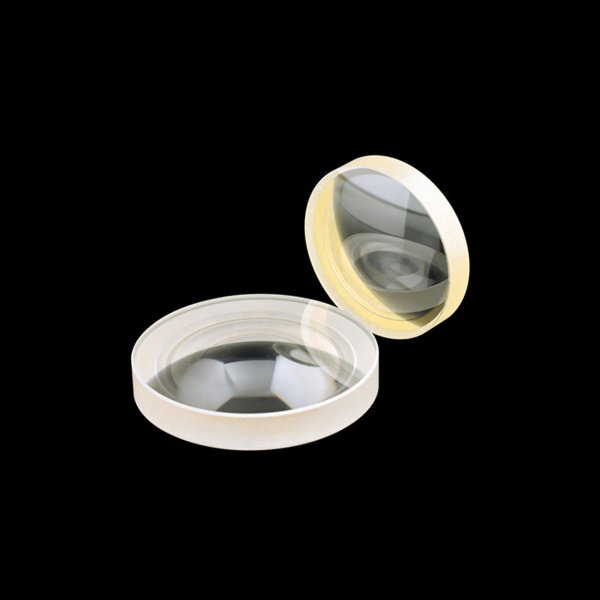
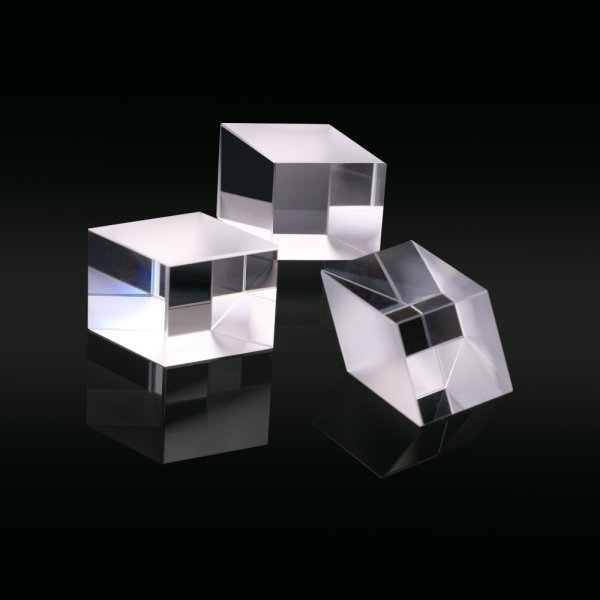
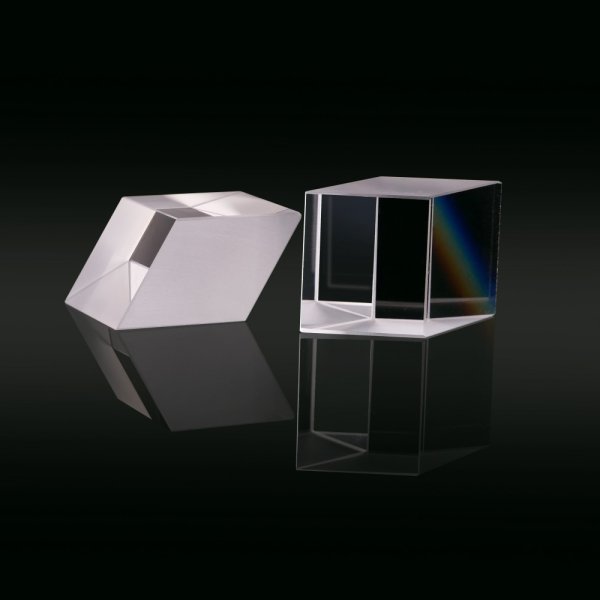
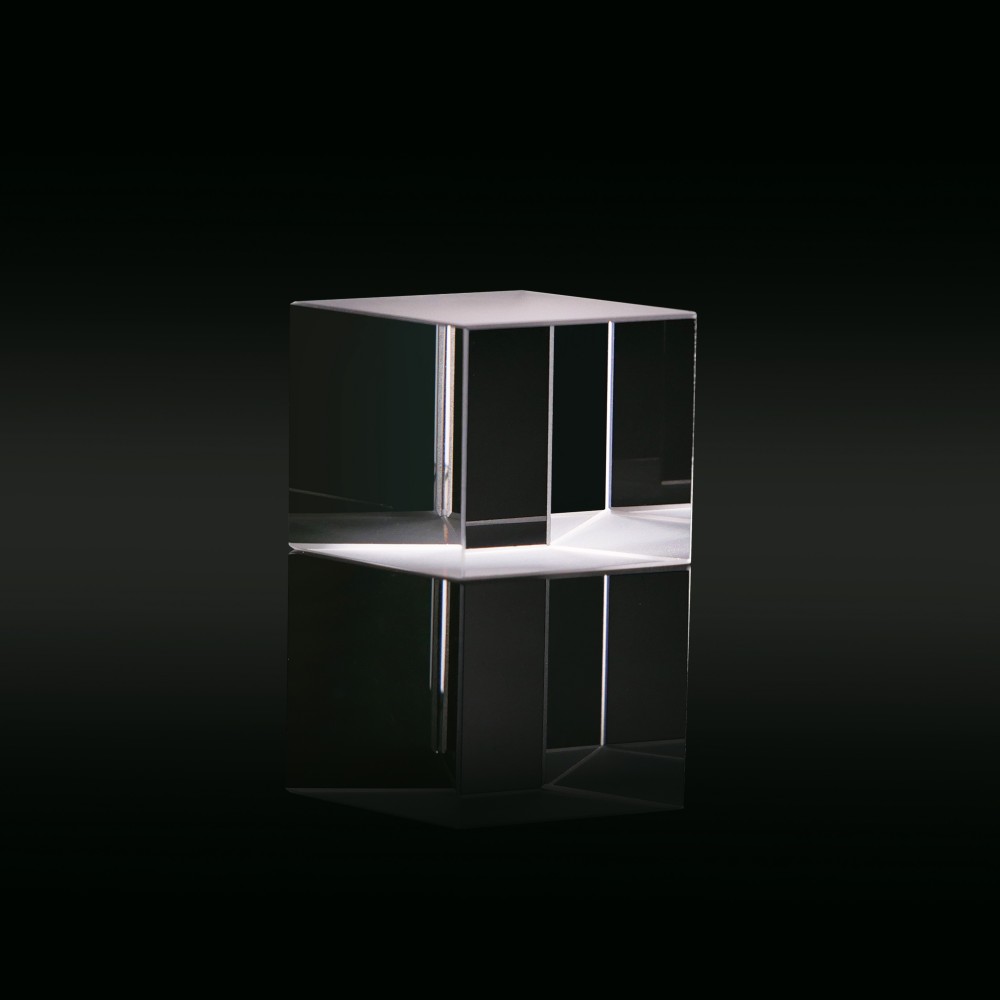
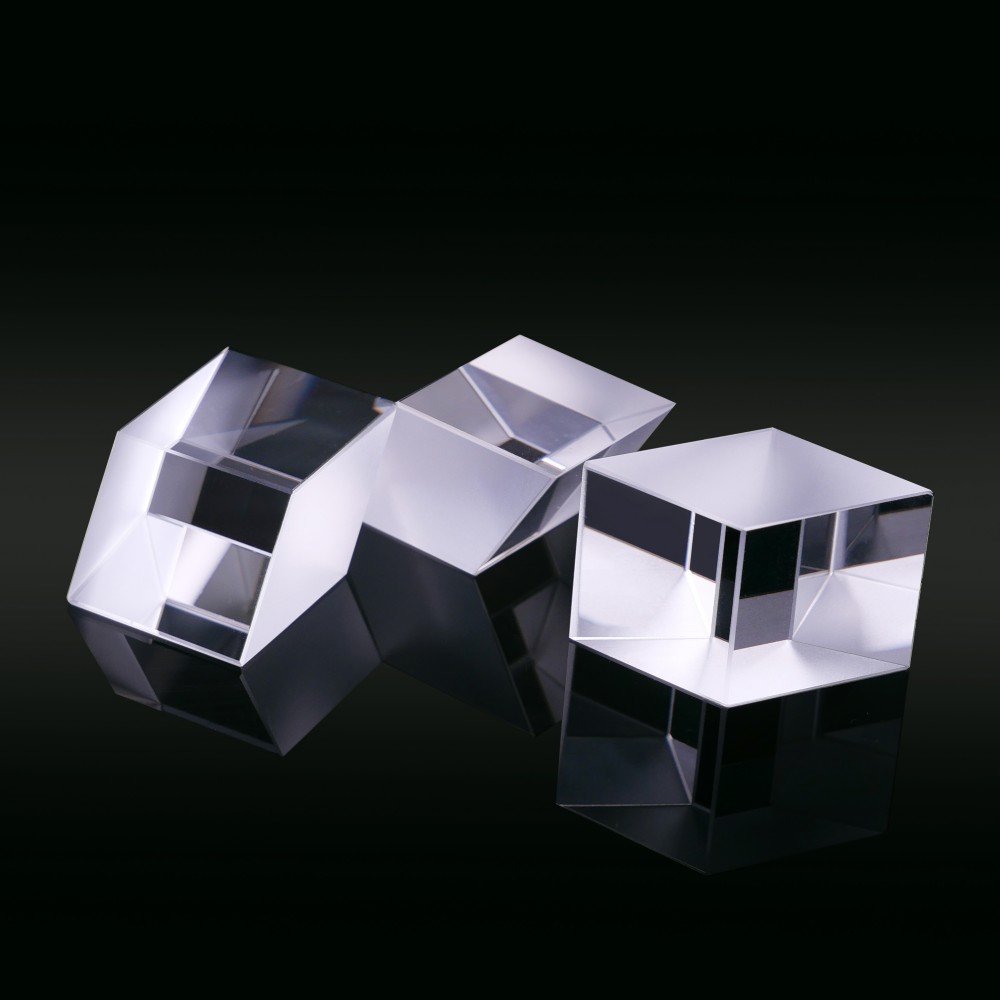
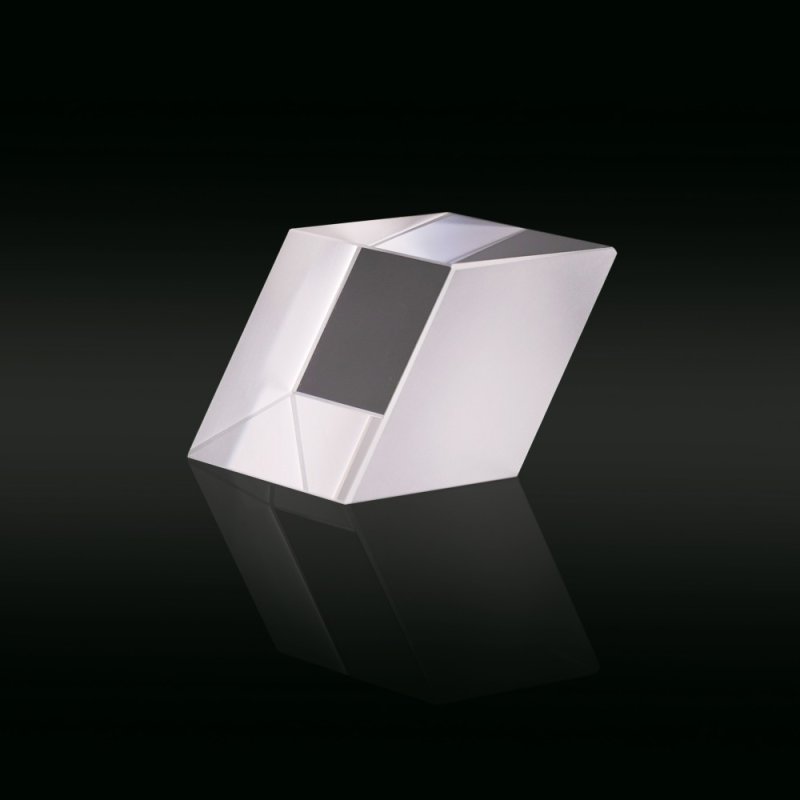
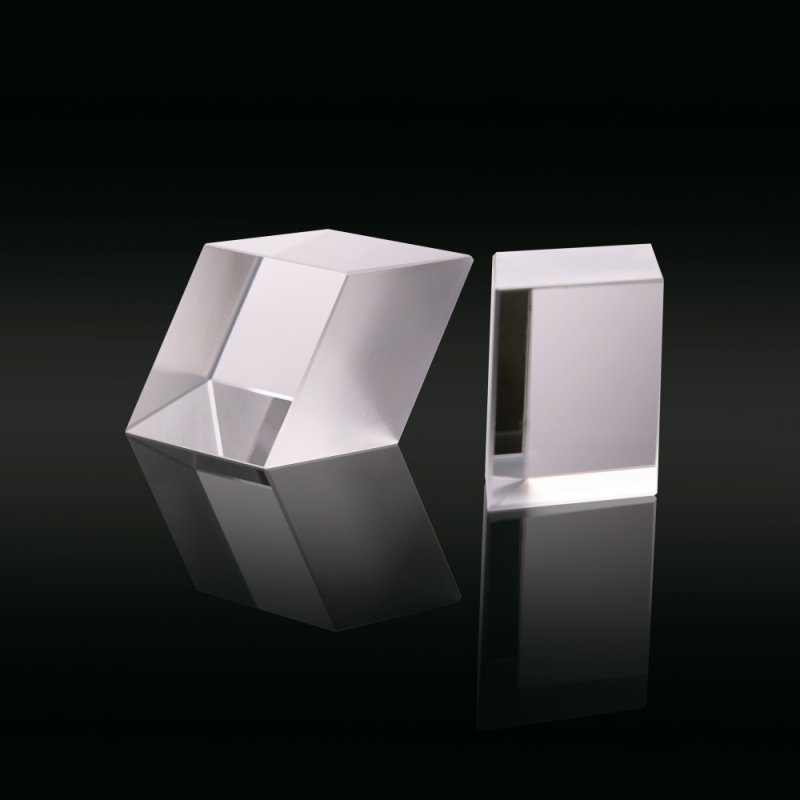
Lithium fluoride (LiF) is a highly regarded material in the optical field, widely used due to its wide transmission range from the deep ultraviolet to the mid-infrared. Its key characteristics include high transmittance, low refractive index, and good radiation resistance. Although LiF exhibits good stability at high temperatures, special care is required when using it in humid environments, as moisture may affect its optical properties.
Advantages of LiF Optical Prisms
Broad spectral transmission: LiF has excellent transmission from the ultraviolet to the infrared, with particular emphasis on the ultraviolet (UV). Its transmission range extends from approximately 120 nanometers (deep UV) to 7 microns (mid-IR), making it valuable in applications requiring broad spectral transmission.
Low refractive index and dispersion: LiF has a low refractive index of approximately 1.39, which helps reduce reflection losses in optical systems. Additionally, it has low dispersion, meaning that different wavelengths of light are not significantly dispersed when passing through a LiF window, thus maintaining the quality and consistency of the light beam.
High radiation resistance: LiF is highly resistant to high-energy radiation, such as X-rays and gamma rays. This allows it to maintain its optical properties in high-radiation environments, such as nuclear industry and space applications, and is less susceptible to radiation damage.
Mechanical and chemical stability: LiF has good mechanical strength and chemical stability, enabling long-term use in harsh environmental conditions. It has good tolerance to most acids and bases and maintains stable optical properties even at high temperatures.
Wavelength range: | 120-12µm |
Coating: | No coating |
Diameter tolerance: | ±0.1mm |
Surface quality: | 60/40 |
Thickness tolerance: | ±0.2mm |
Parallelism: | <3> |
Clear Aperture: | 90% |
density: | 2.64g/cm 3 |
Melting point: | 845°C |
Young's modulus: | (GPa): 64 |
Coefficient of thermal expansion: | 39 x 10 -6 /°C |
Knoop hardness: | 102kg/ mm2 |
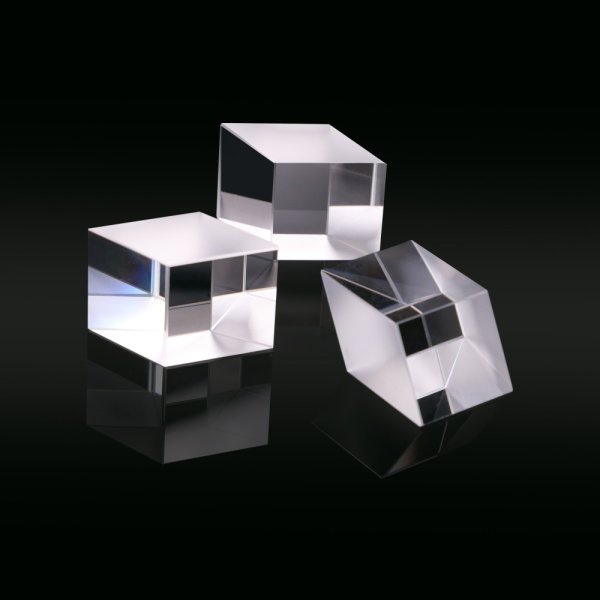
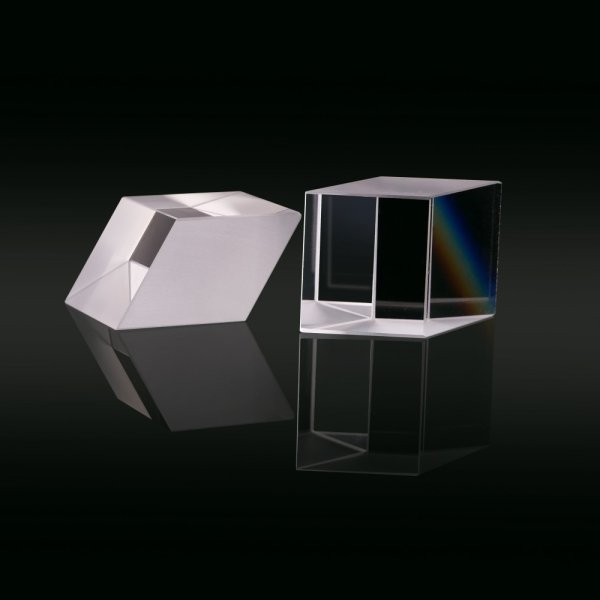
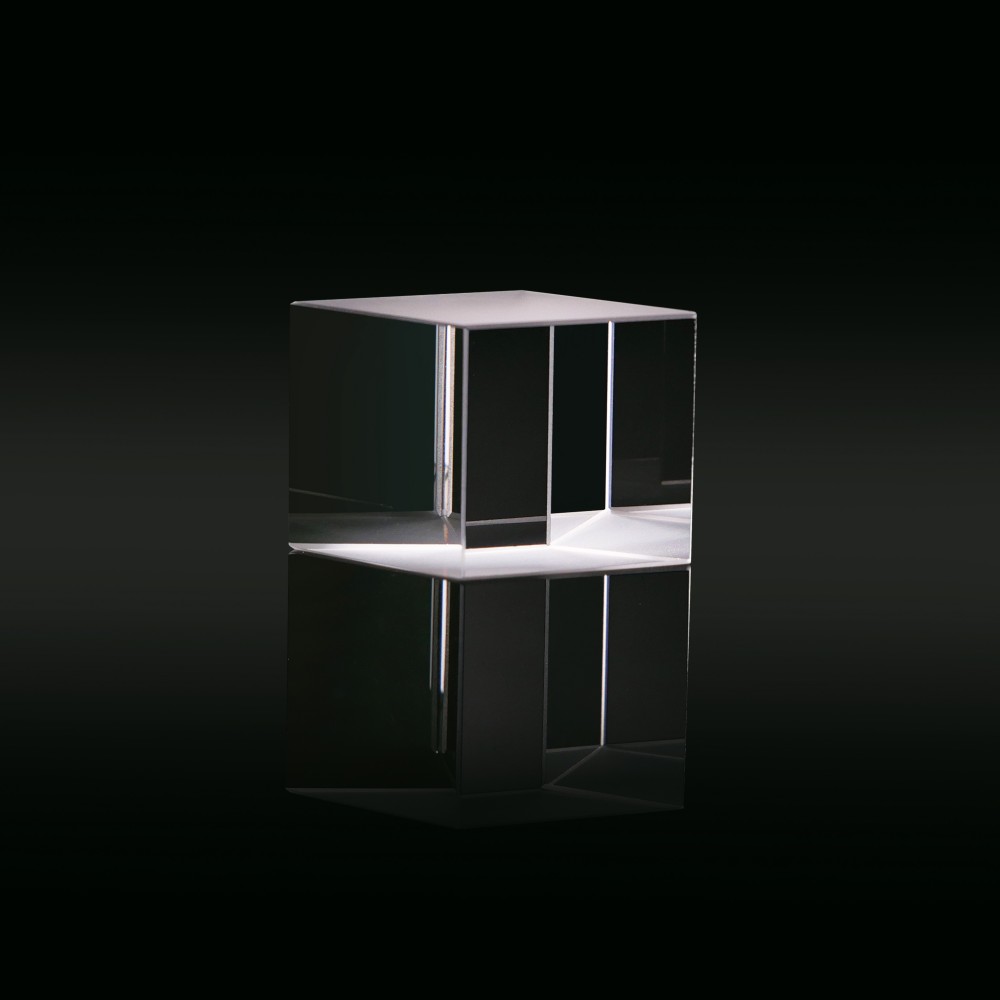
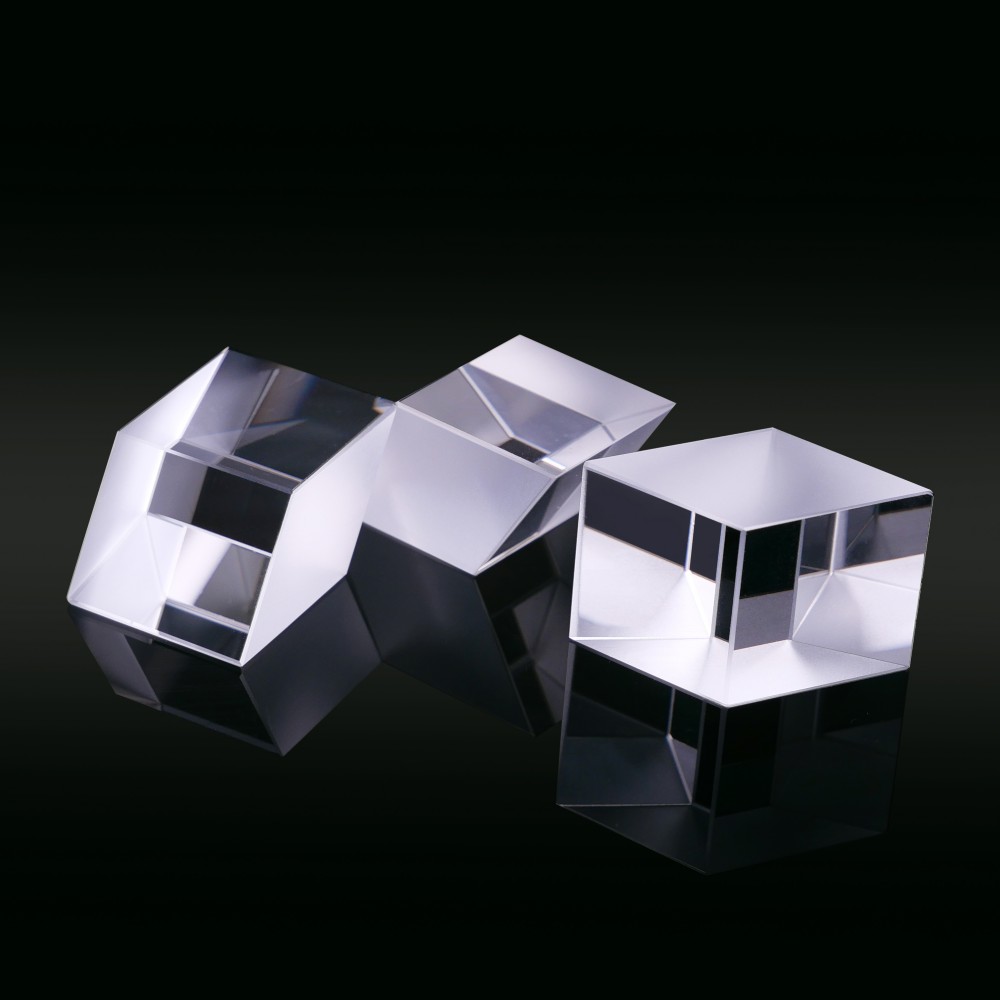
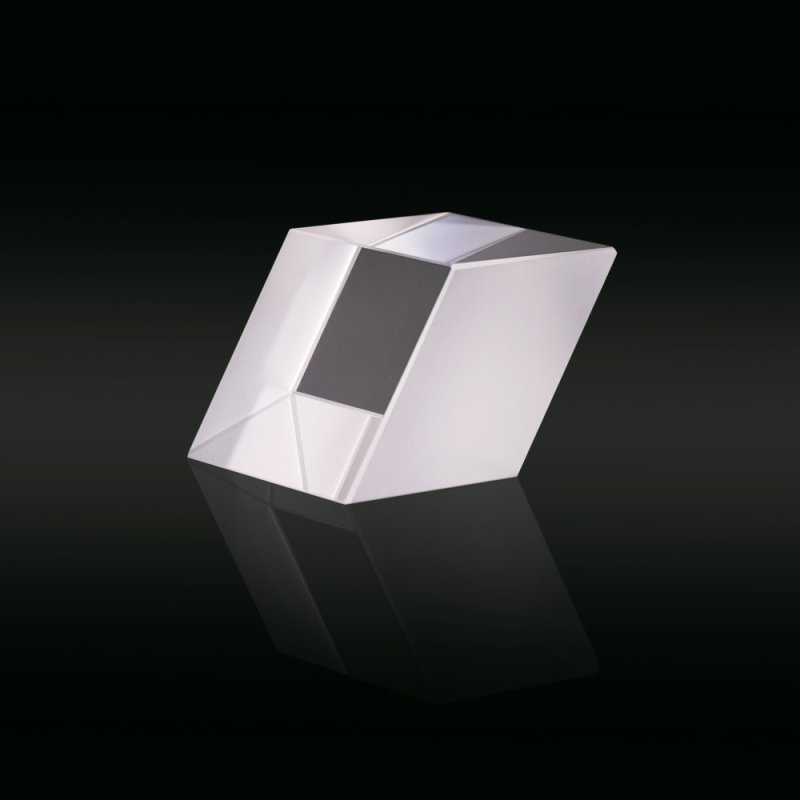
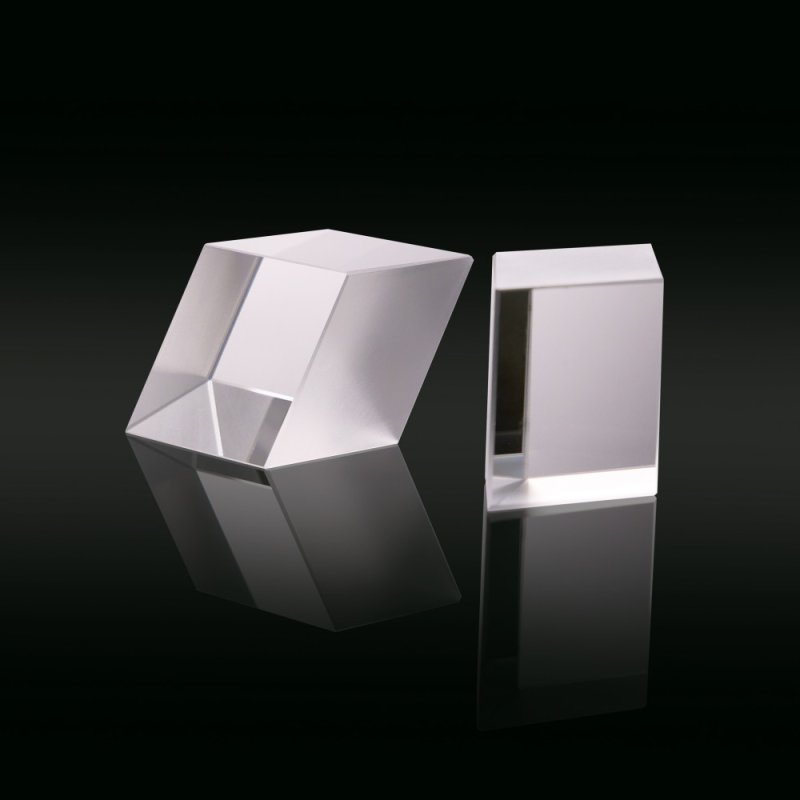
Lithium fluoride (LiF) is a highly regarded material in the optical field, widely used due to its wide transmission range from the deep ultraviolet to the mid-infrared. Its key characteristics include high transmittance, low refractive index, and good radiation resistance. Although LiF exhibits good stability at high temperatures, special care is required when using it in humid environments, as moisture may affect its optical properties.
Advantages of LiF Optical Prisms
Broad spectral transmission: LiF has excellent transmission from the ultraviolet to the infrared, with particular emphasis on the ultraviolet (UV). Its transmission range extends from approximately 120 nanometers (deep UV) to 7 microns (mid-IR), making it valuable in applications requiring broad spectral transmission.
Low refractive index and dispersion: LiF has a low refractive index of approximately 1.39, which helps reduce reflection losses in optical systems. Additionally, it has low dispersion, meaning that different wavelengths of light are not significantly dispersed when passing through a LiF window, thus maintaining the quality and consistency of the light beam.
High radiation resistance: LiF is highly resistant to high-energy radiation, such as X-rays and gamma rays. This allows it to maintain its optical properties in high-radiation environments, such as nuclear industry and space applications, and is less susceptible to radiation damage.
Mechanical and chemical stability: LiF has good mechanical strength and chemical stability, enabling long-term use in harsh environmental conditions. It has good tolerance to most acids and bases and maintains stable optical properties even at high temperatures.
Wavelength range: | 120-12µm |
Coating: | No coating |
Diameter tolerance: | ±0.1mm |
Surface quality: | 60/40 |
Thickness tolerance: | ±0.2mm |
Parallelism: | <3> |
Clear Aperture: | 90% |
density: | 2.64g/cm 3 |
Melting point: | 845°C |
Young's modulus: | (GPa): 64 |
Coefficient of thermal expansion: | 39 x 10 -6 /°C |
Knoop hardness: | 102kg/ mm2 |