Clear records
history record
cancel
Clear records
history record






 The browser own share function is also very useful~
 Service
 Service
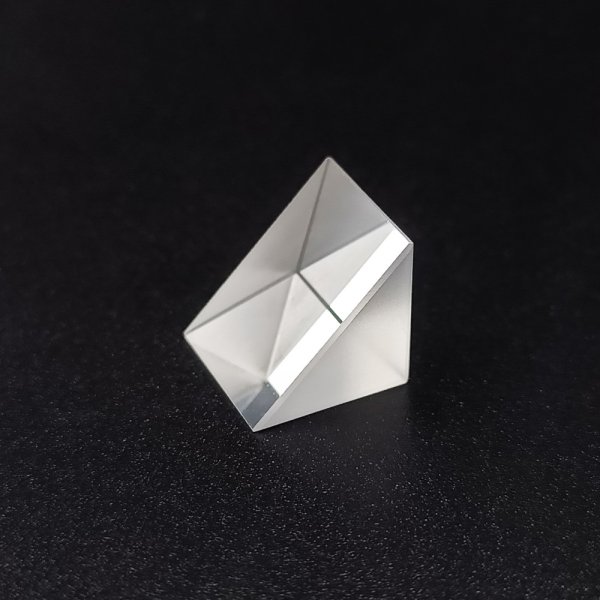
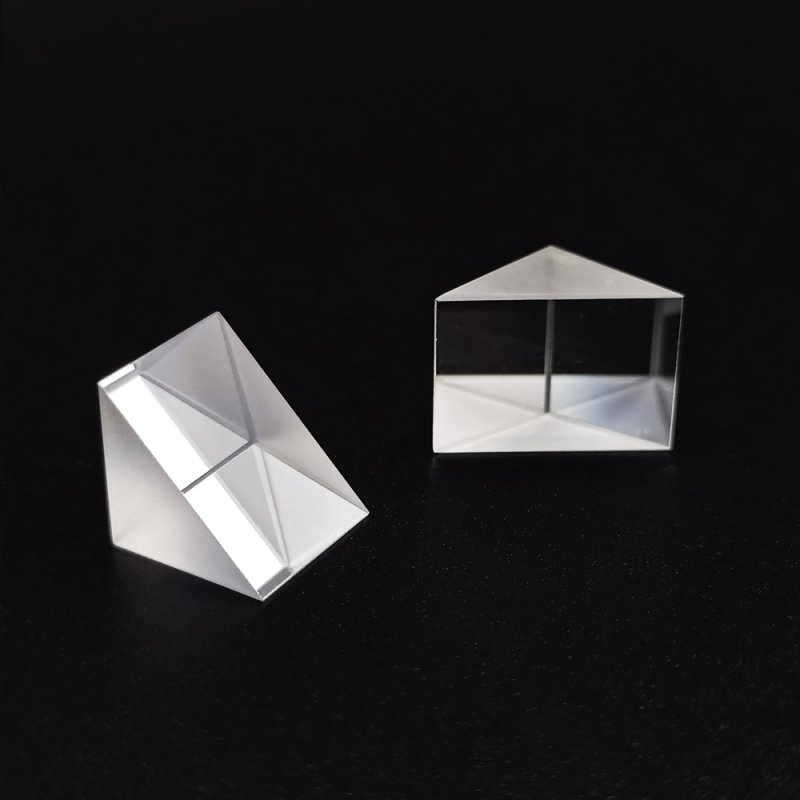
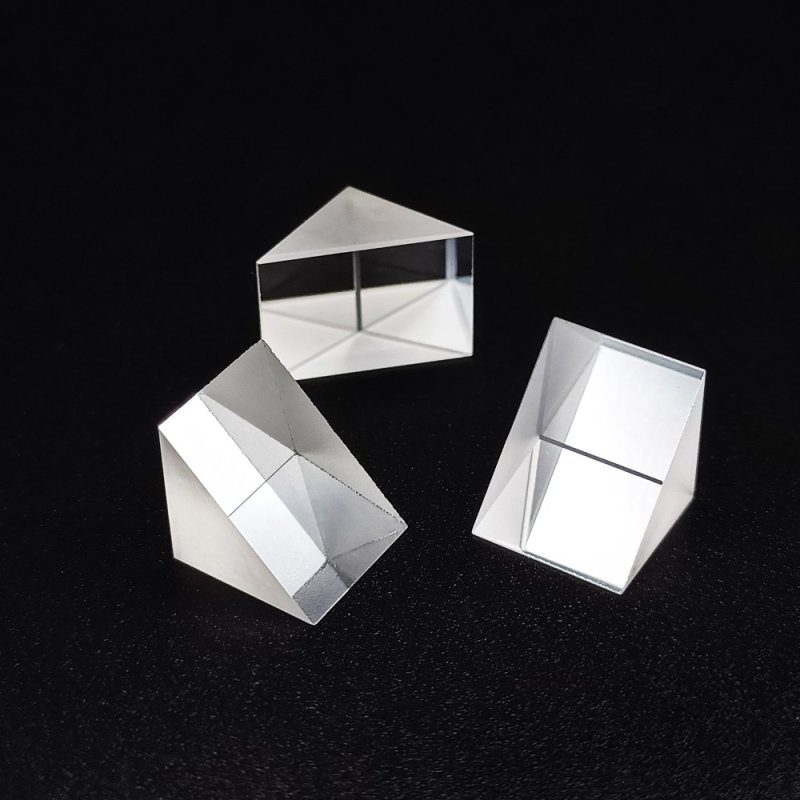
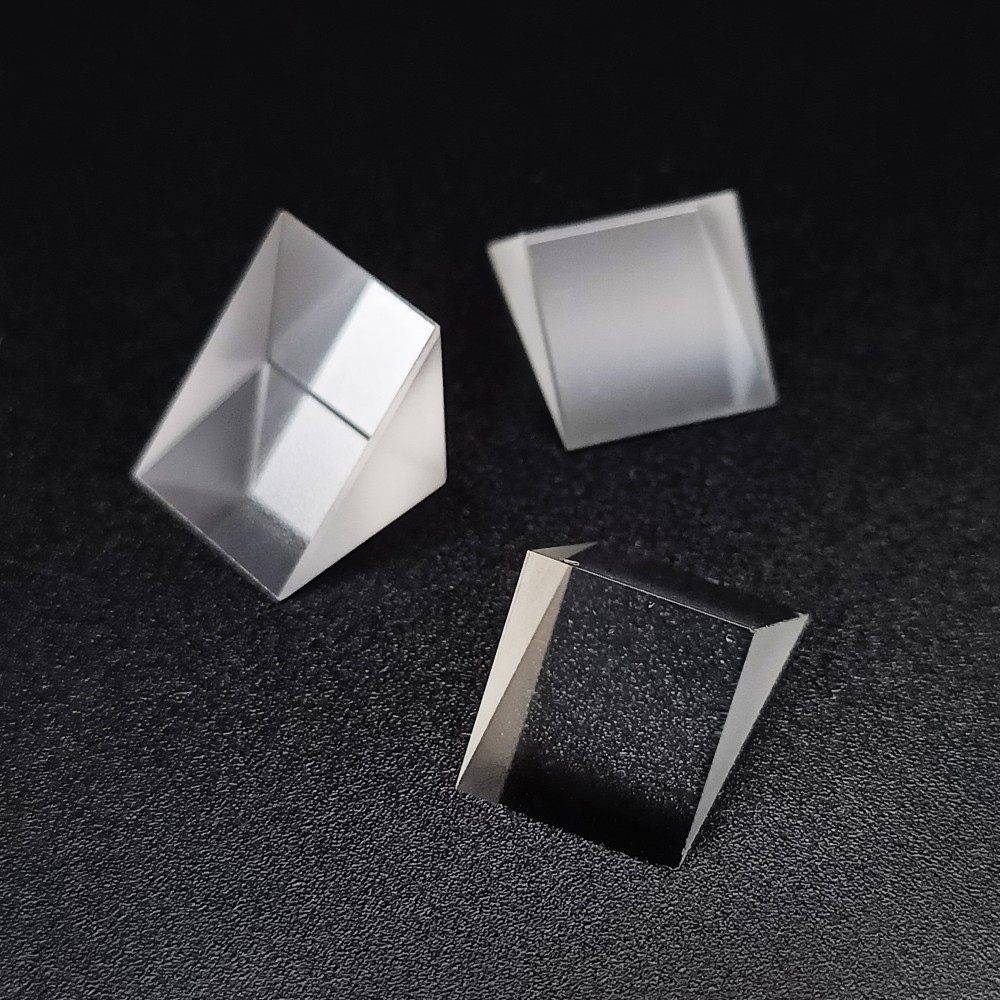
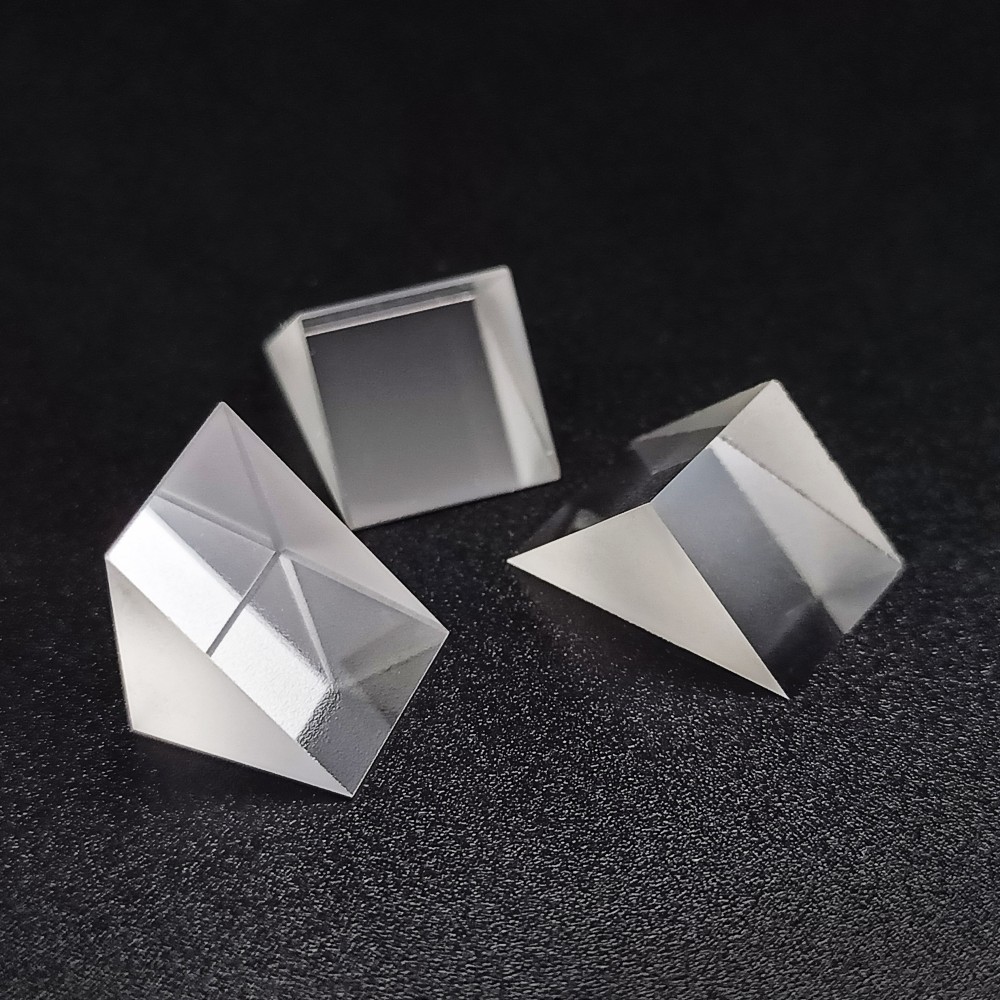
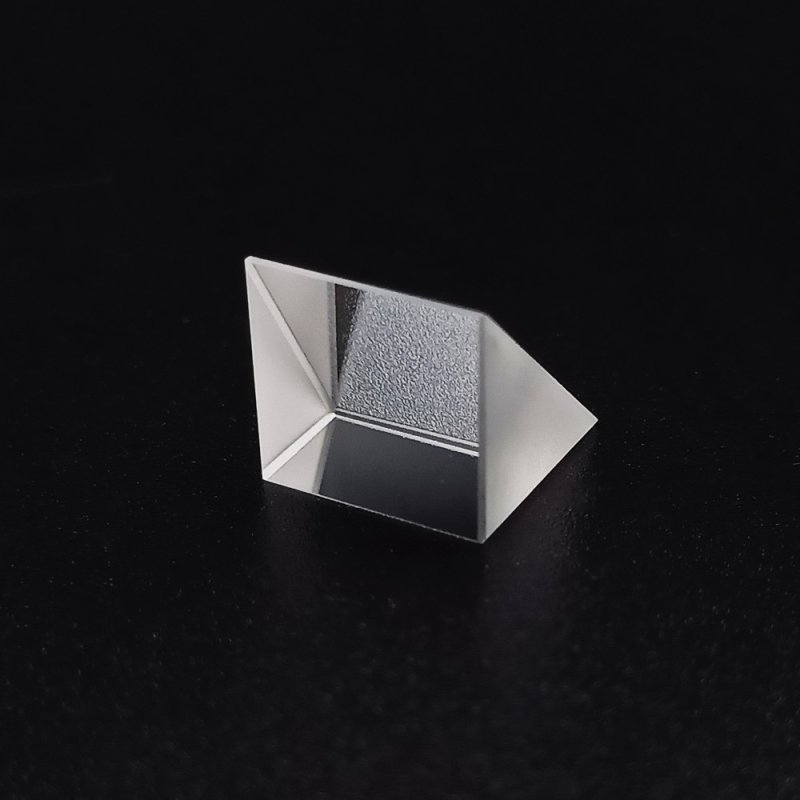
BaF₂ is a versatile material known for its low refractive index, excellent transmission properties, and resistance to radiation damage, making it a key material in many advanced optical fields. Prisms made from barium fluoride are particularly valuable in systems requiring minimal light absorption, high optical clarity, and resistance to thermal and mechanical stress.
Performance characteristics of BaF₂ optical prisms
Broad spectral transmission: Barium fluoride is known for its excellent optical transmission across a broad spectral range, from the ultraviolet (UV) to the infrared (IR). BaF₂ offers transmission from approximately 0.2 µm (UV) to 10 µm (IR), making it one of the most transparent materials in this range. This broad spectral transmission is particularly beneficial for applications requiring broad spectrum light manipulation, including UV and IR imaging, spectroscopy, and laser systems.
Low Absorption: BaF₂ has very low absorption, particularly in the ultraviolet and visible light ranges. This property ensures that light passes through the BaF₂ prism with minimal attenuation, resulting in efficient transmission and reduced signal loss. Low absorption is crucial in high-precision optical applications, where maintaining the intensity and quality of the optical signal is crucial.
Low Refractive Index: Barium fluoride has a relatively low refractive index (approximately 1.46 in the visible range), which means it bends light less than materials with higher refractive indices. While this reduces the bending power of BaF₂ prisms, it can be advantageous in specific applications where only subtle adjustments to the direction of light are required. Furthermore, the low refractive index minimizes dispersion, helping to prevent chromatic aberration in optical systems.
Low Dispersion: BaF₂'s low dispersion is a critical property for applications that require minimizing chromatic aberration (the separation of light into its component colors). Its low dispersion ensures uniform refraction of all wavelengths of light, making BaF₂ prisms ideal for systems requiring high optical precision, such as precision spectrometers and laser systems.
Thermal Stability: Barium fluoride has high thermal stability and resistance to thermal shock, meaning it can withstand significant temperature fluctuations without degradation of its optical performance. This makes BaF₂ prisms ideal for use in high-temperature environments or in applications where temperature variations are a concern, such as industrial and aerospace systems.
Radiation Resistance: Barium fluoride exhibits excellent resistance to damage from radiation, including ultraviolet and ionizing radiation. This property makes it well-suited for use in environments with frequent exposure to high-energy radiation, such as space, nuclear facilities, and certain military applications.
Applications of BaF₂ Optical Prisms
Ultraviolet and Infrared Optics: BaF₂ prisms are widely used in ultraviolet and infrared optics, including ultraviolet spectroscopy, infrared imaging, and laser systems. The material's excellent transmittance in the ultraviolet and infrared spectra makes BaF₂ prisms useful in high-precision optical systems that require clear, uninterrupted light transmission in these regions.
Spectroscopy: BaF₂ prisms are commonly used in spectrometers and spectrophotometers to disperse light into its component wavelengths. The material's low dispersion and wide transmission range make it ideal for high-resolution spectral measurements, particularly in the ultraviolet and infrared for analytical scientific research, environmental monitoring, and chemical analysis.
Laser Systems: BaF₂ prisms play an important role in laser systems, particularly those operating in the ultraviolet or infrared range. They are used for beam steering, wavelength separation, and beam shaping. Their low absorption and excellent transmission properties make them ideal for processing high-precision laser beams, particularly in materials processing, scientific research, and medical lasers.
Radiation Detection and Measurement: Due to its resistance to radiation damage, BaF₂ is used in applications involving high levels of ionizing radiation, such as nuclear facilities or space exploration. BaF₂ crystals are often used as scintillator materials for detecting and measuring radiation, providing high detection efficiency with minimal signal loss.
Aerospace and Military: BaF₂ prisms are used in aerospace and military applications, including satellite communications, optical targeting systems, and infrared surveillance. Their radiation hardness, combined with their ability to perform well at ultraviolet and infrared wavelengths, makes them ideal for use in high-performance optical systems in military and space exploration environments.
Medical Imaging: BaF₂ crystals are used as scintillators for gamma-ray detection in medical imaging, particularly in advanced diagnostic techniques such as positron emission tomography (PET) or other nuclear medicine imaging systems. BaF₂ prisms are also used in infrared thermal imaging and imaging systems, where their broad spectral transparency helps capture detailed thermal images of biological tissue.
Optical Systems in Harsh Environments: BaF₂ prisms are well-suited for optical systems operating under extreme conditions, such as those in high-vibration environments, high-radiation areas, or high-heat conditions. Their durability and resistance to environmental factors make them ideal for industrial, aerospace, and military-related optical systems.
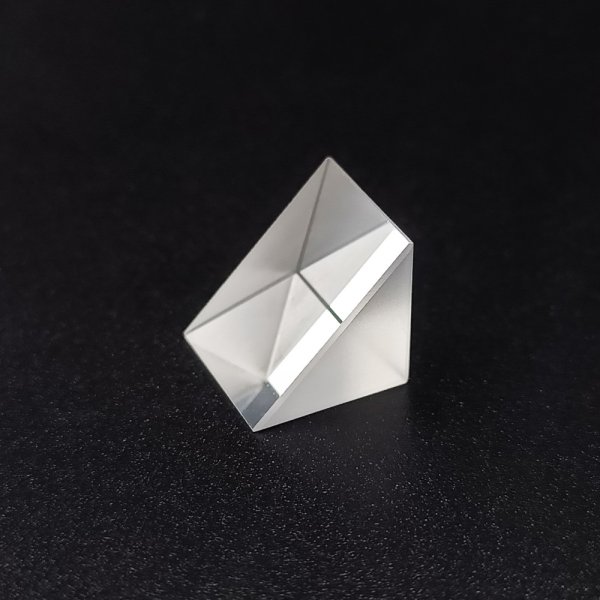
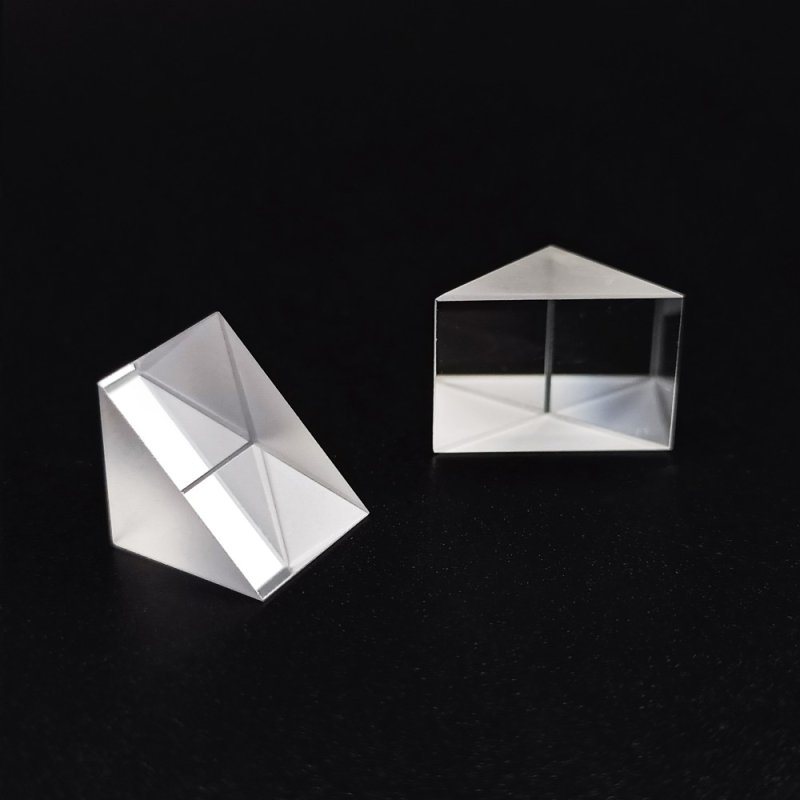
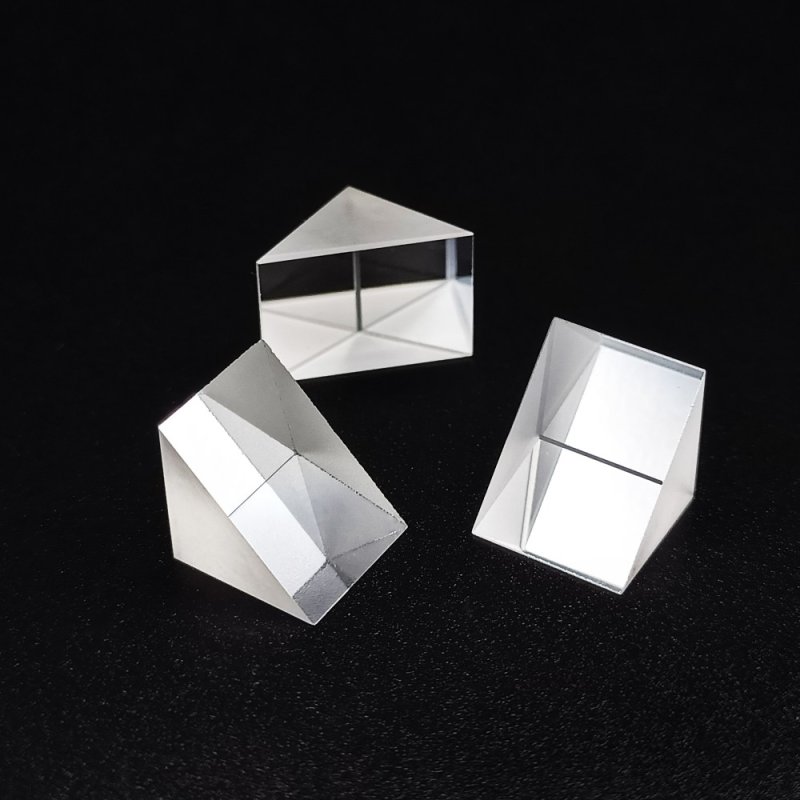
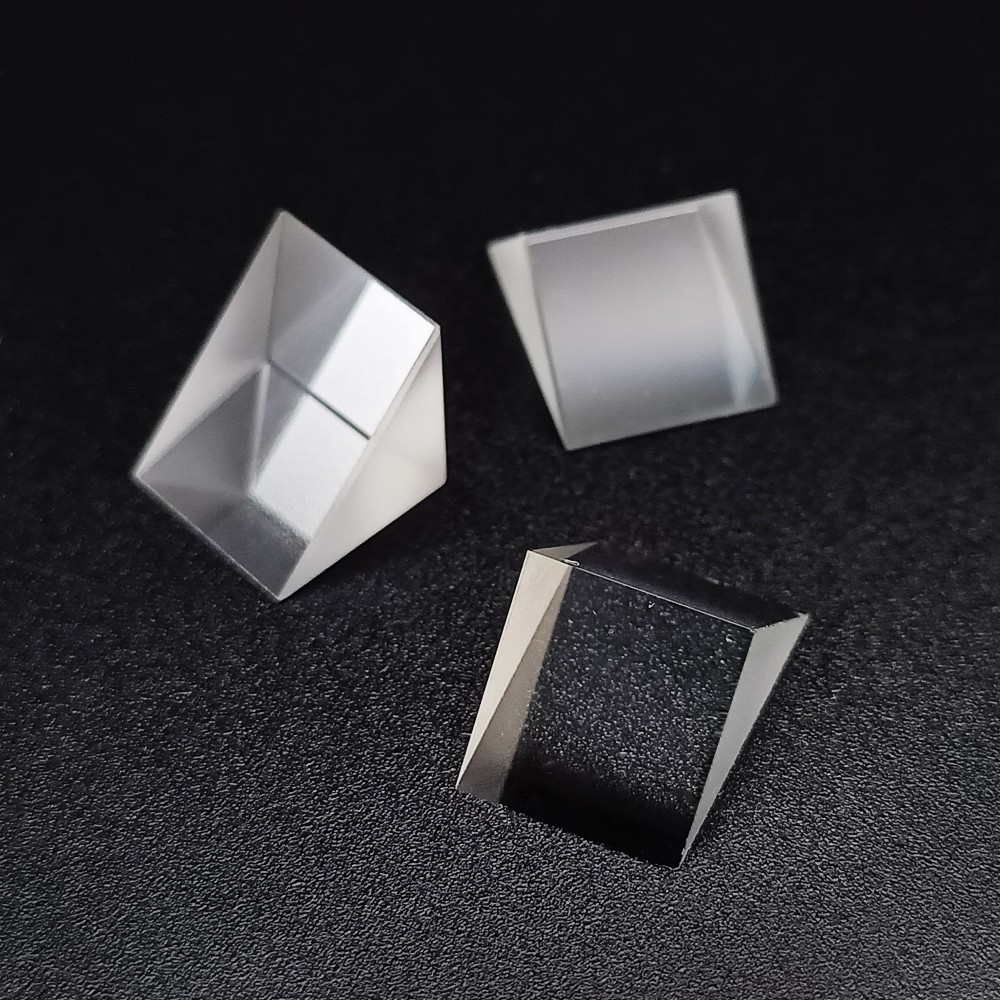
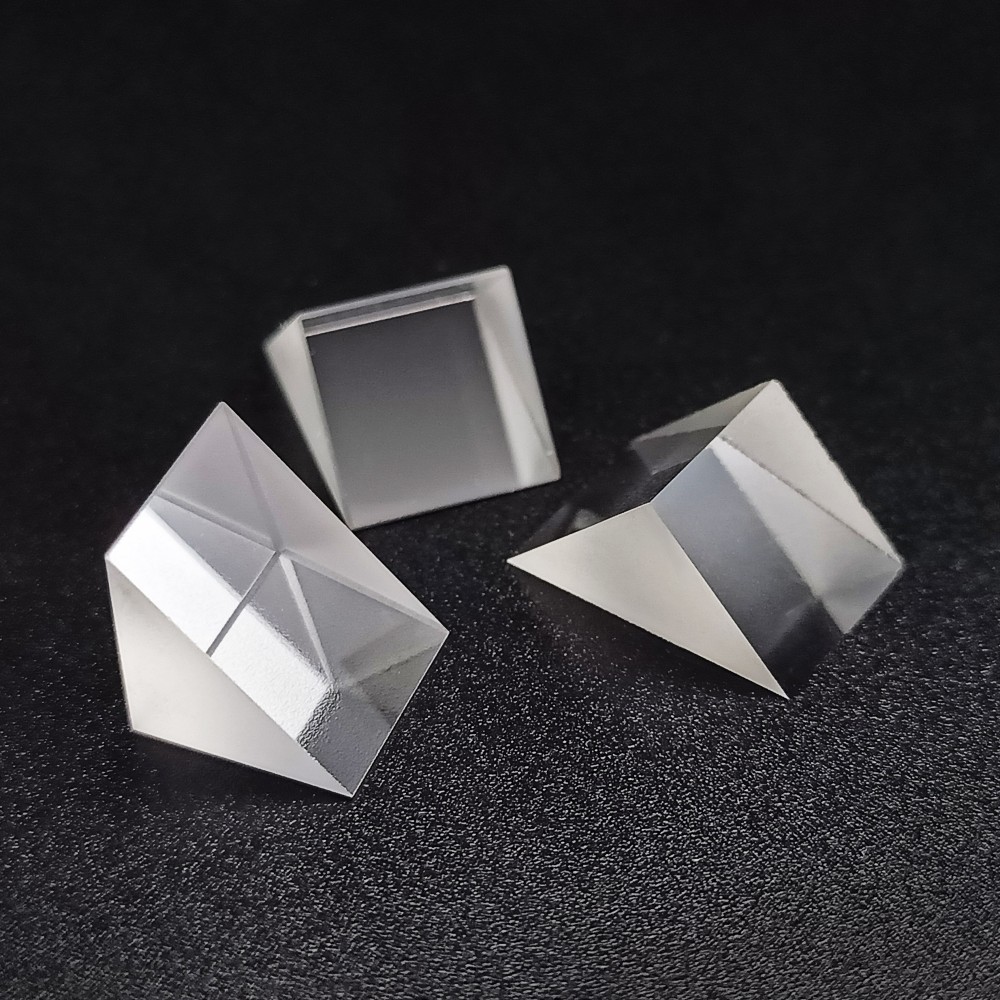
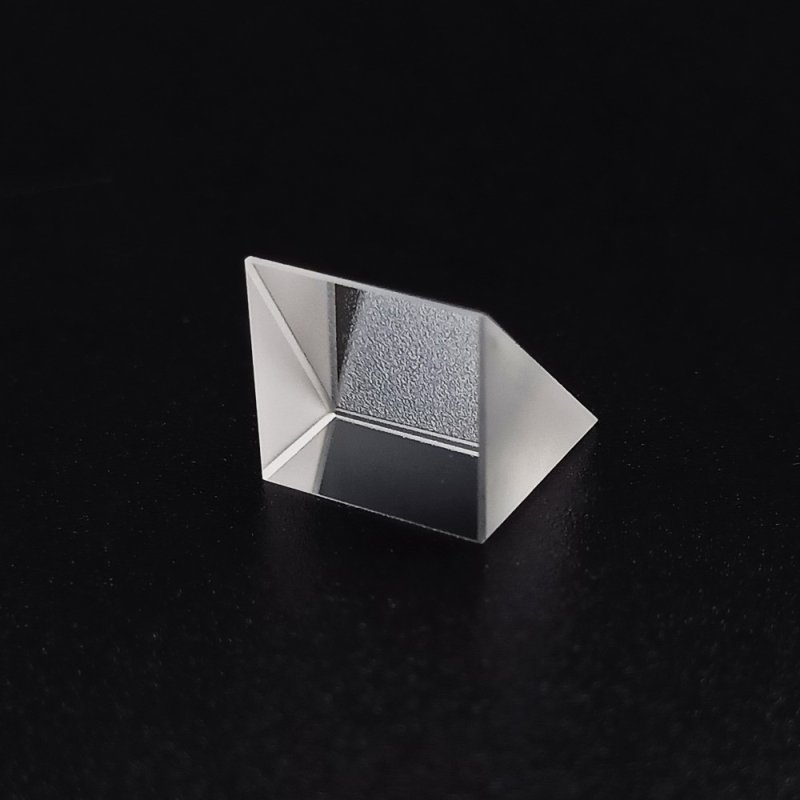
BaF₂ is a versatile material known for its low refractive index, excellent transmission properties, and resistance to radiation damage, making it a key material in many advanced optical fields.
ServiceServiceBaF₂ is a versatile material known for its low refractive index, excellent transmission properties, and resistance to radiation damage, making it a key material in many advanced optical fields. Prisms made from barium fluoride are particularly valuable in systems requiring minimal light absorption, high optical clarity, and resistance to thermal and mechanical stress.
Performance characteristics of BaF₂ optical prisms
Broad spectral transmission: Barium fluoride is known for its excellent optical transmission across a broad spectral range, from the ultraviolet (UV) to the infrared (IR). BaF₂ offers transmission from approximately 0.2 µm (UV) to 10 µm (IR), making it one of the most transparent materials in this range. This broad spectral transmission is particularly beneficial for applications requiring broad spectrum light manipulation, including UV and IR imaging, spectroscopy, and laser systems.
Low Absorption: BaF₂ has very low absorption, particularly in the ultraviolet and visible light ranges. This property ensures that light passes through the BaF₂ prism with minimal attenuation, resulting in efficient transmission and reduced signal loss. Low absorption is crucial in high-precision optical applications, where maintaining the intensity and quality of the optical signal is crucial.
Low Refractive Index: Barium fluoride has a relatively low refractive index (approximately 1.46 in the visible range), which means it bends light less than materials with higher refractive indices. While this reduces the bending power of BaF₂ prisms, it can be advantageous in specific applications where only subtle adjustments to the direction of light are required. Furthermore, the low refractive index minimizes dispersion, helping to prevent chromatic aberration in optical systems.
Low Dispersion: BaF₂'s low dispersion is a critical property for applications that require minimizing chromatic aberration (the separation of light into its component colors). Its low dispersion ensures uniform refraction of all wavelengths of light, making BaF₂ prisms ideal for systems requiring high optical precision, such as precision spectrometers and laser systems.
Thermal Stability: Barium fluoride has high thermal stability and resistance to thermal shock, meaning it can withstand significant temperature fluctuations without degradation of its optical performance. This makes BaF₂ prisms ideal for use in high-temperature environments or in applications where temperature variations are a concern, such as industrial and aerospace systems.
Radiation Resistance: Barium fluoride exhibits excellent resistance to damage from radiation, including ultraviolet and ionizing radiation. This property makes it well-suited for use in environments with frequent exposure to high-energy radiation, such as space, nuclear facilities, and certain military applications.
Applications of BaF₂ Optical Prisms
Ultraviolet and Infrared Optics: BaF₂ prisms are widely used in ultraviolet and infrared optics, including ultraviolet spectroscopy, infrared imaging, and laser systems. The material's excellent transmittance in the ultraviolet and infrared spectra makes BaF₂ prisms useful in high-precision optical systems that require clear, uninterrupted light transmission in these regions.
Spectroscopy: BaF₂ prisms are commonly used in spectrometers and spectrophotometers to disperse light into its component wavelengths. The material's low dispersion and wide transmission range make it ideal for high-resolution spectral measurements, particularly in the ultraviolet and infrared for analytical scientific research, environmental monitoring, and chemical analysis.
Laser Systems: BaF₂ prisms play an important role in laser systems, particularly those operating in the ultraviolet or infrared range. They are used for beam steering, wavelength separation, and beam shaping. Their low absorption and excellent transmission properties make them ideal for processing high-precision laser beams, particularly in materials processing, scientific research, and medical lasers.
Radiation Detection and Measurement: Due to its resistance to radiation damage, BaF₂ is used in applications involving high levels of ionizing radiation, such as nuclear facilities or space exploration. BaF₂ crystals are often used as scintillator materials for detecting and measuring radiation, providing high detection efficiency with minimal signal loss.
Aerospace and Military: BaF₂ prisms are used in aerospace and military applications, including satellite communications, optical targeting systems, and infrared surveillance. Their radiation hardness, combined with their ability to perform well at ultraviolet and infrared wavelengths, makes them ideal for use in high-performance optical systems in military and space exploration environments.
Medical Imaging: BaF₂ crystals are used as scintillators for gamma-ray detection in medical imaging, particularly in advanced diagnostic techniques such as positron emission tomography (PET) or other nuclear medicine imaging systems. BaF₂ prisms are also used in infrared thermal imaging and imaging systems, where their broad spectral transparency helps capture detailed thermal images of biological tissue.
Optical Systems in Harsh Environments: BaF₂ prisms are well-suited for optical systems operating under extreme conditions, such as those in high-vibration environments, high-radiation areas, or high-heat conditions. Their durability and resistance to environmental factors make them ideal for industrial, aerospace, and military-related optical systems.