Clear records
history record
cancel
Clear records
history record






 The browser own share function is also very useful~
 Service
 Service
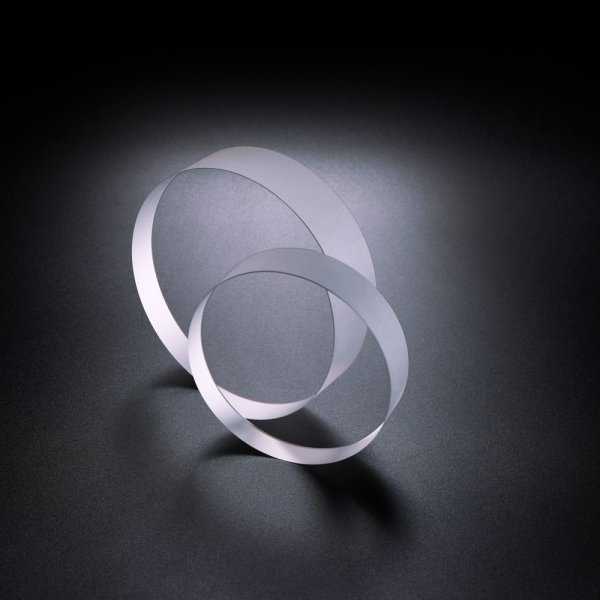
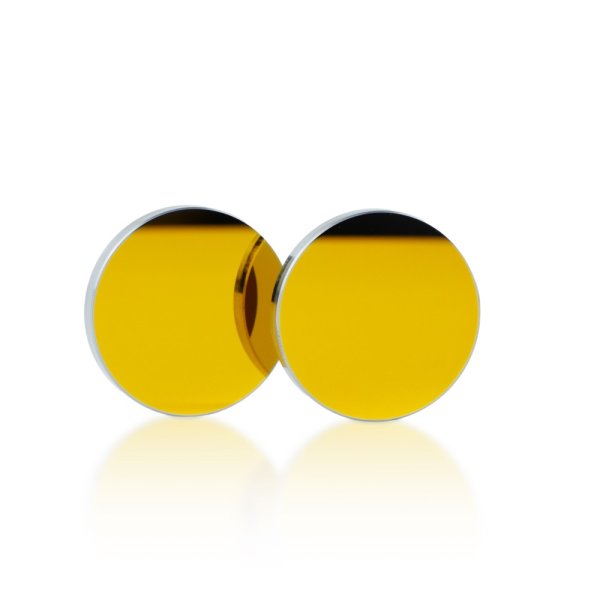
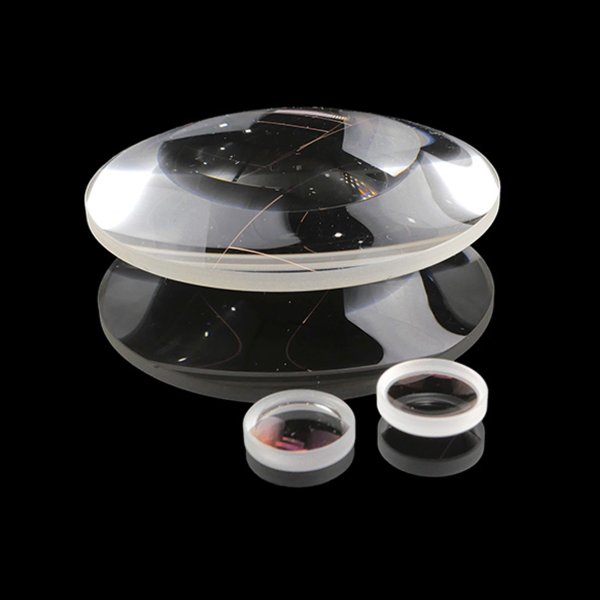
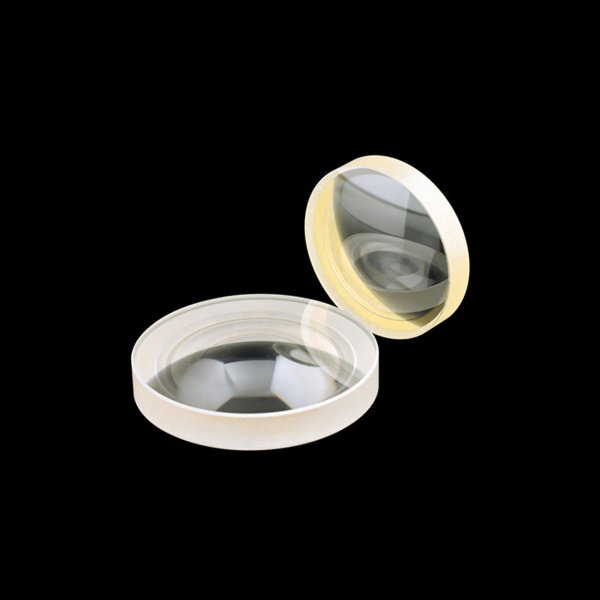
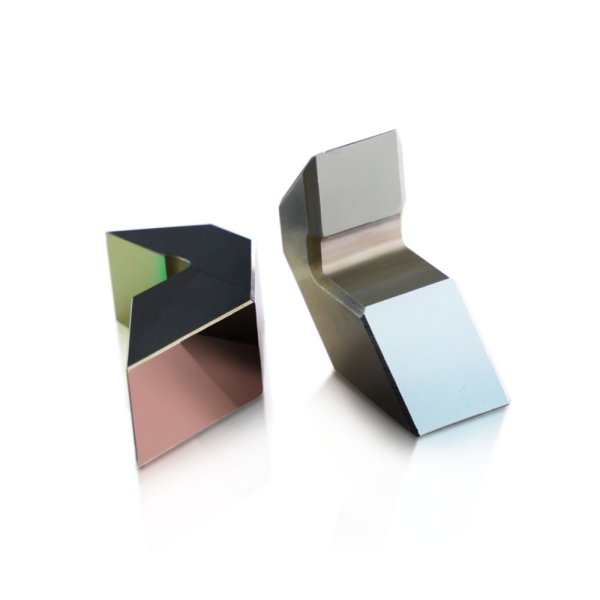
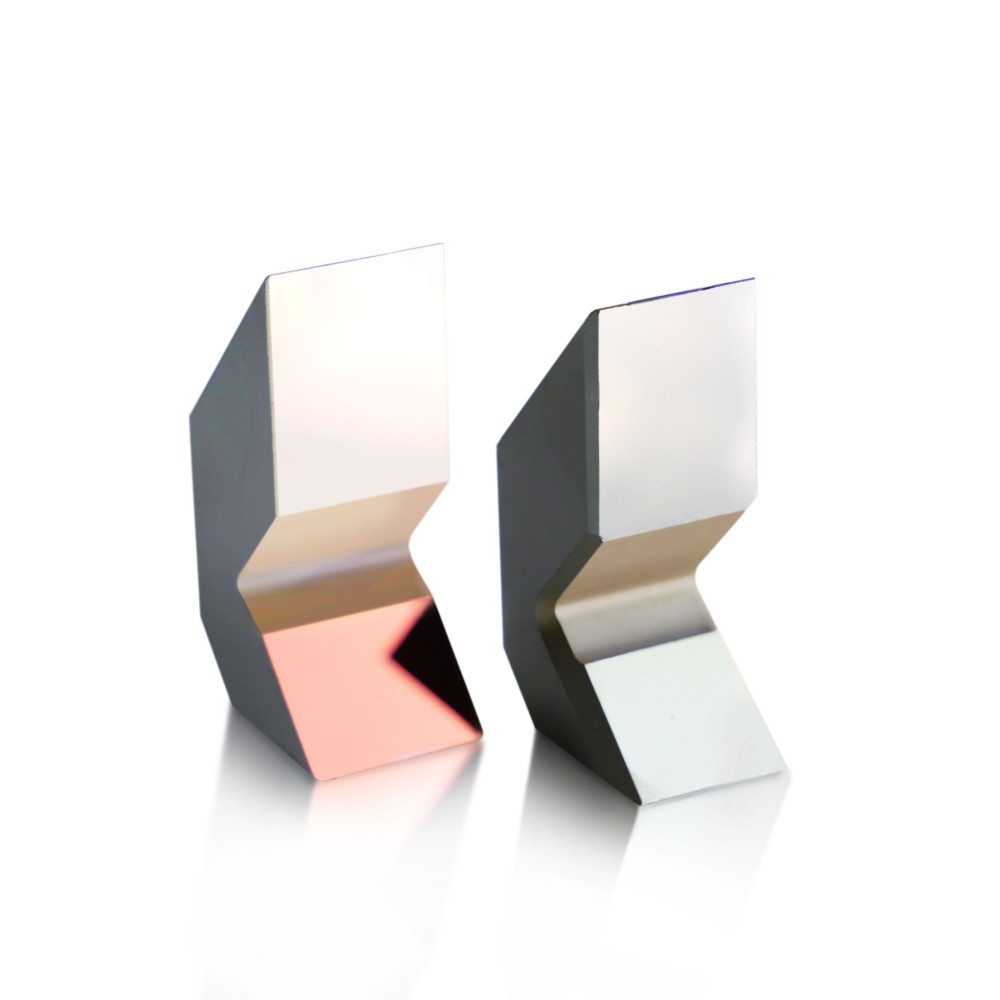
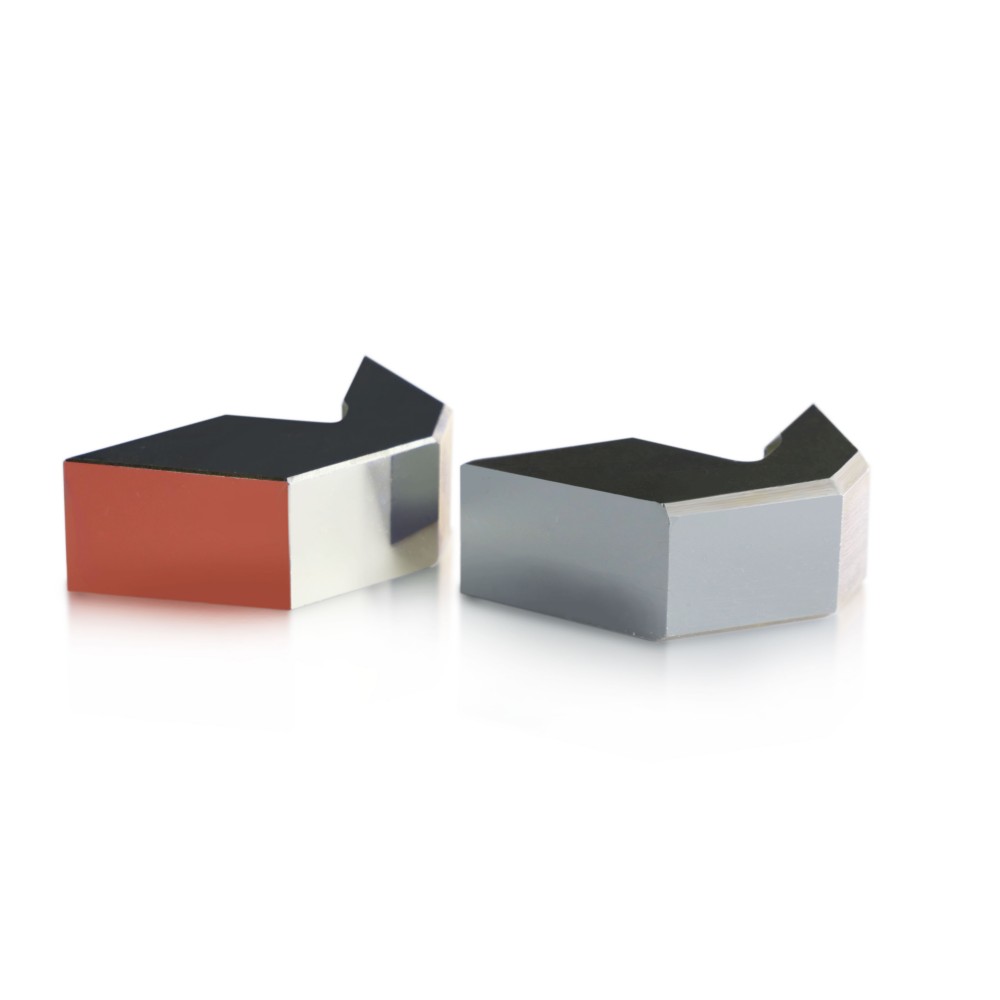
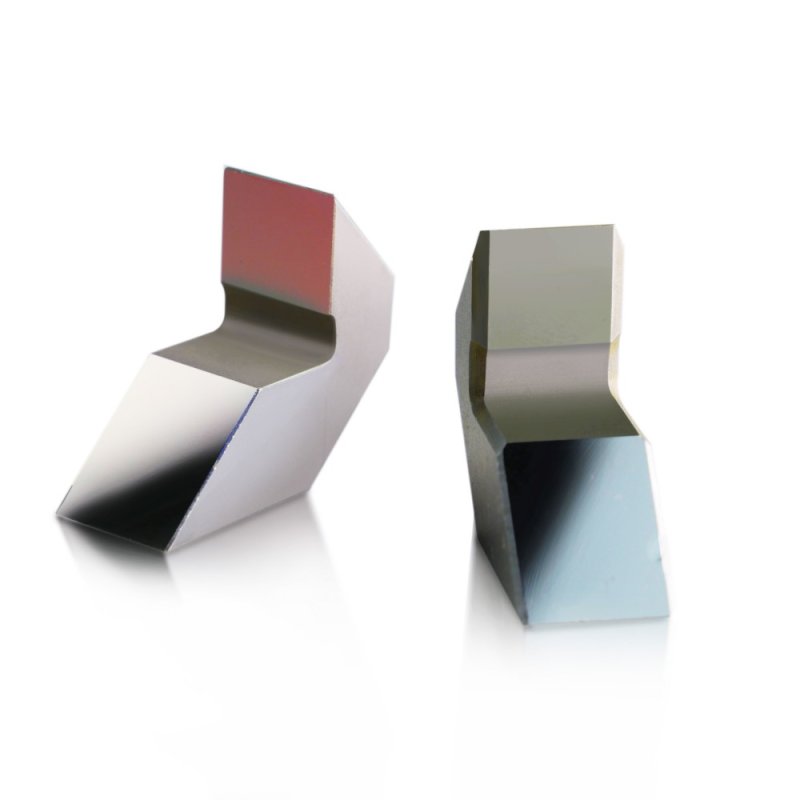
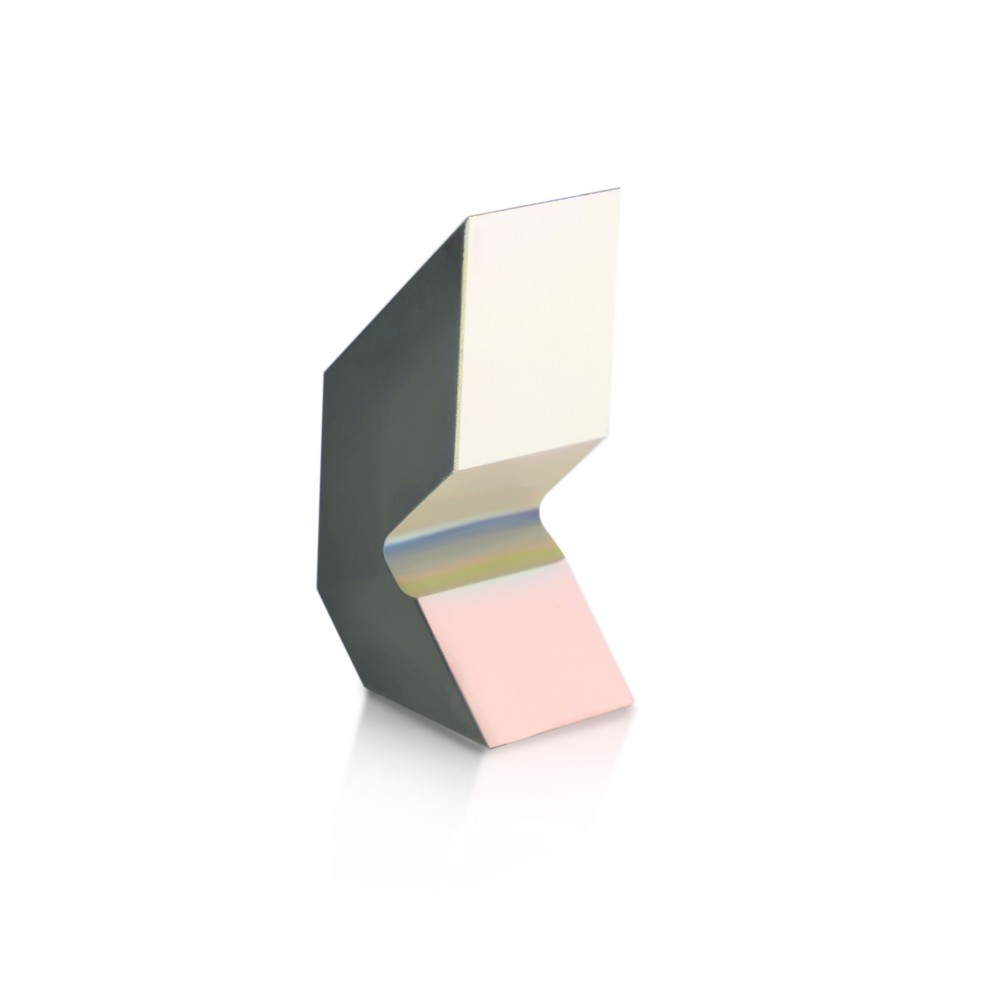
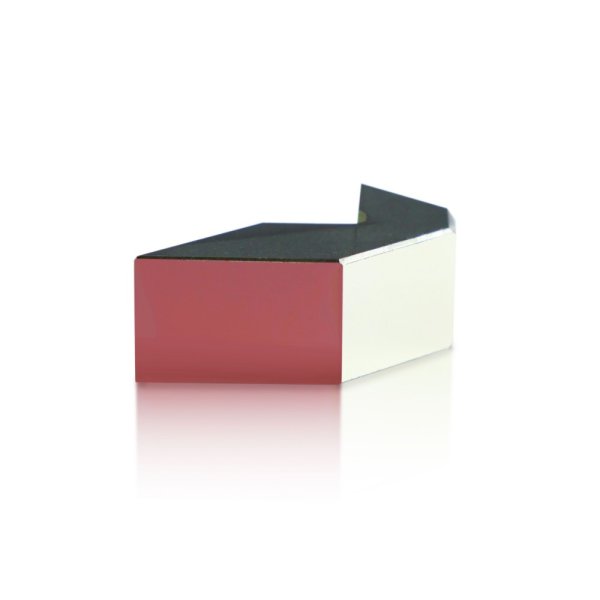
Sulfur-based glass mirrors have a wide range of application prospects in infrared optical systems, thermal imaging systems, and scientific research due to their high refractive index, wide infrared transmittance band, low thermo-optical coefficient, and good chemical stability.
Material properties
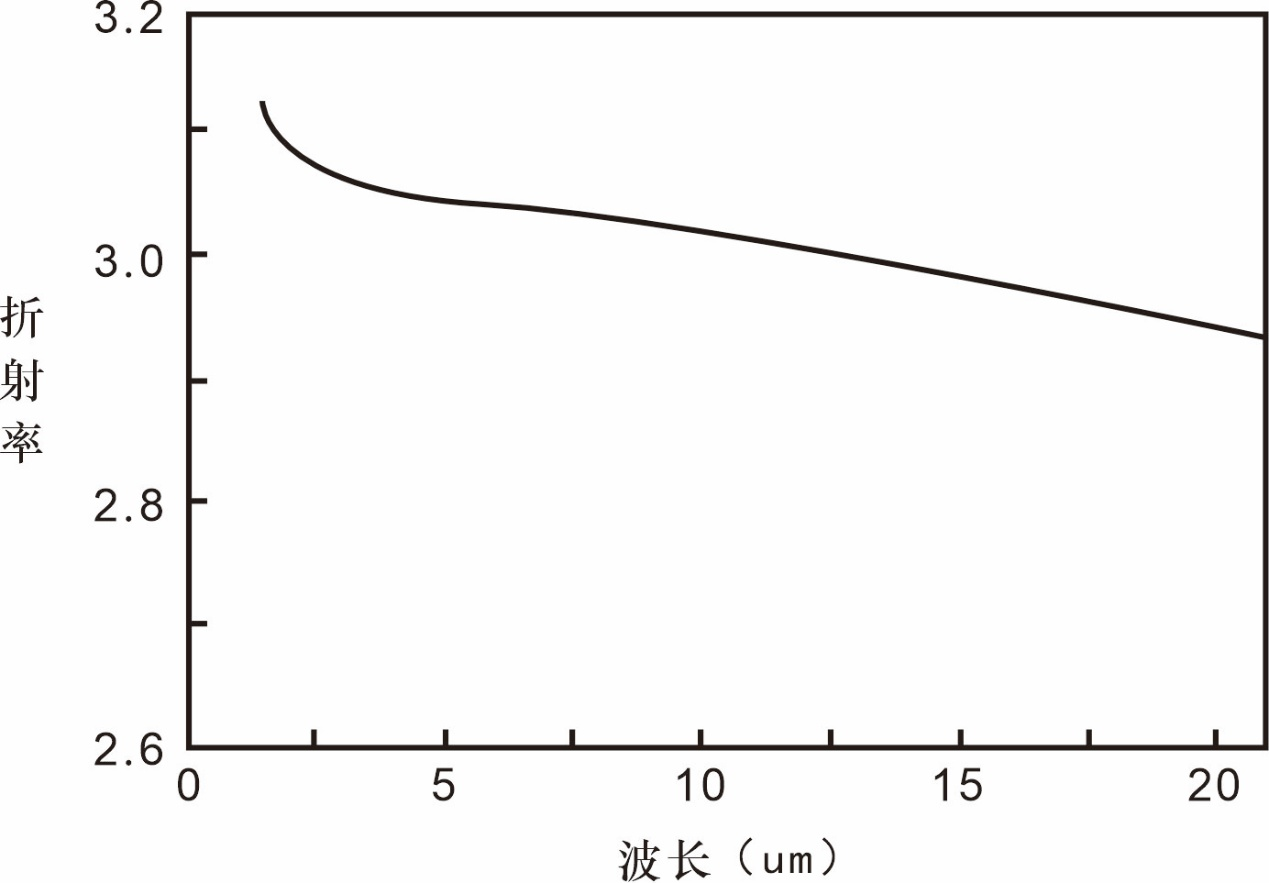
High refractive index : Chalcogenide glass typically has a refractive index between 2.0 and 3.5, much higher than ordinary glass, giving it advantages in optical design.
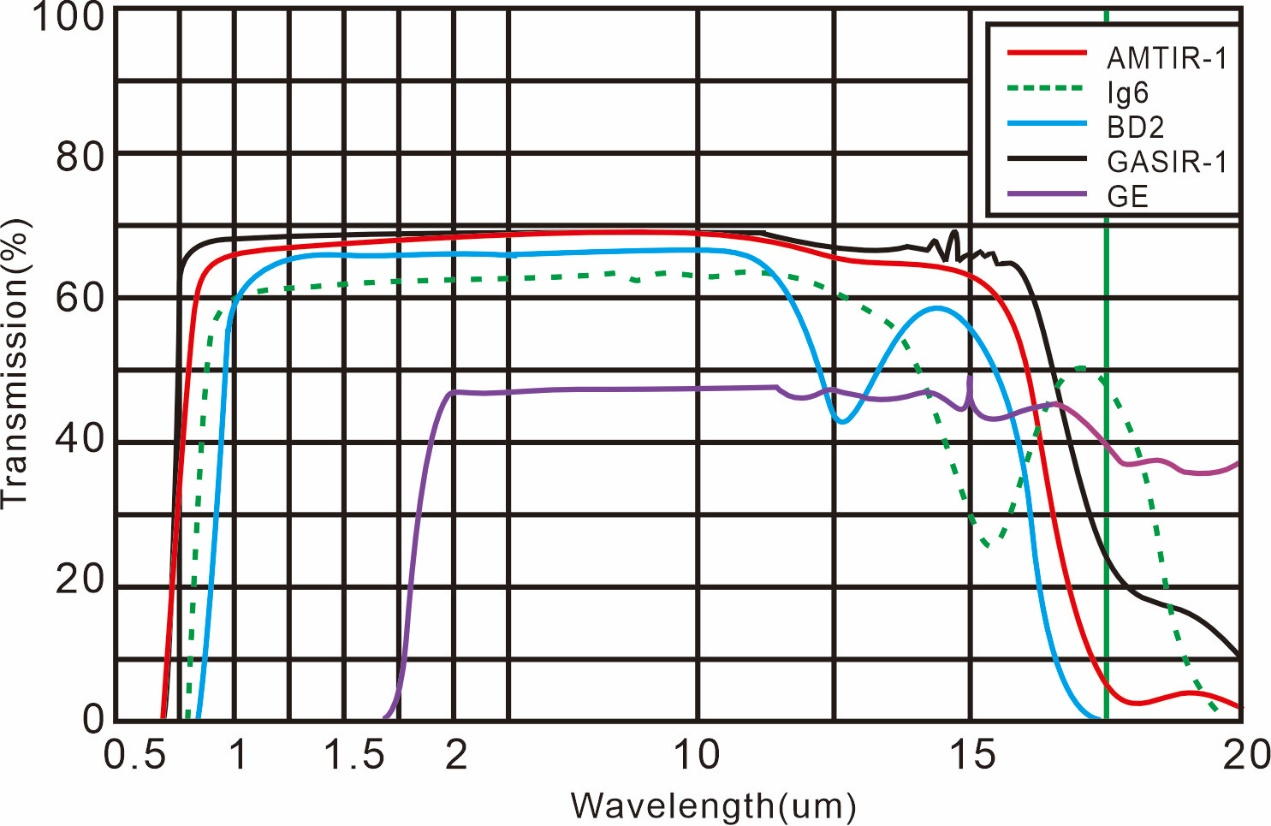
Wide infrared transmission band : Chalcogenide glass has extremely high transmittance in the infrared band, covering the range from 0.6μm to 25μm, and is particularly suitable for the mid-infrared (3~5μm) and long-wave infrared (8~12μm) regions.
Low thermo-optical coefficient : Chalcogenide glass has a low temperature coefficient of refractive index, which means that its optical performance is more stable when the temperature changes, making it an ideal material for athermal design.
Good chemical stability : Chalcogenide glass can resist corrosion from water and acid and is suitable for a variety of environments.
Optical wavelength
Chalcogenide glass lenses have a wide range of transmission wavelengths, typically covering the visible to far infrared region.
In the mid-infrared and long-wave infrared bands, chalcogenide glasses exhibit extremely high transmittance and are suitable for infrared optical systems.
Application scenarios and scope of use
Infrared optical systems : Due to their high infrared transmittance and low thermo-optical coefficient, chalcogenide glass lenses are widely used in infrared windows, infrared lenses, infrared optical fibers and other components.
Thermal imaging systems : Chalcogenide glass lenses, due to their low temperature coefficient of refractive index, are considered the ideal material for athermalization solutions in wide temperature range applications such as security monitoring and automotive applications.
Scientific research and experiments : The unique properties of chalcogenide glass make it valuable for application in scientific research and experiments in physics, chemistry, and other fields.
Special optical design : Chalcogenide glass lenses can be used to manufacture high-precision optical systems and instruments, such as lasers, telescopes, microscopes, etc. At the same time, due to its high refractive index and dispersion properties, it can also be used for lenses and lenses with special optical effects.
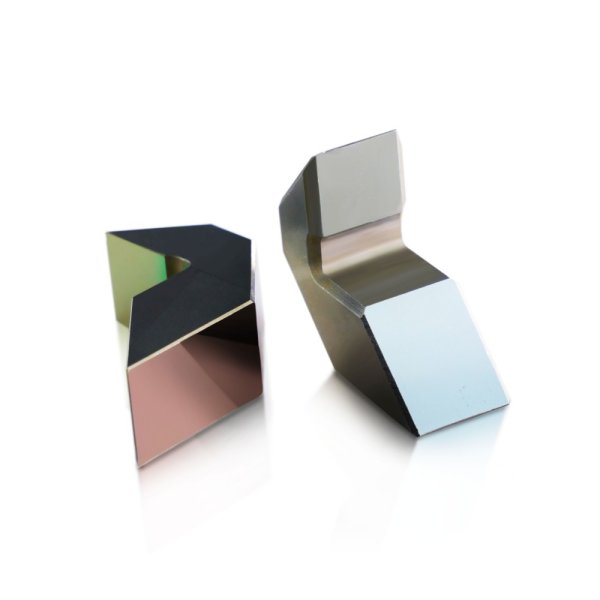
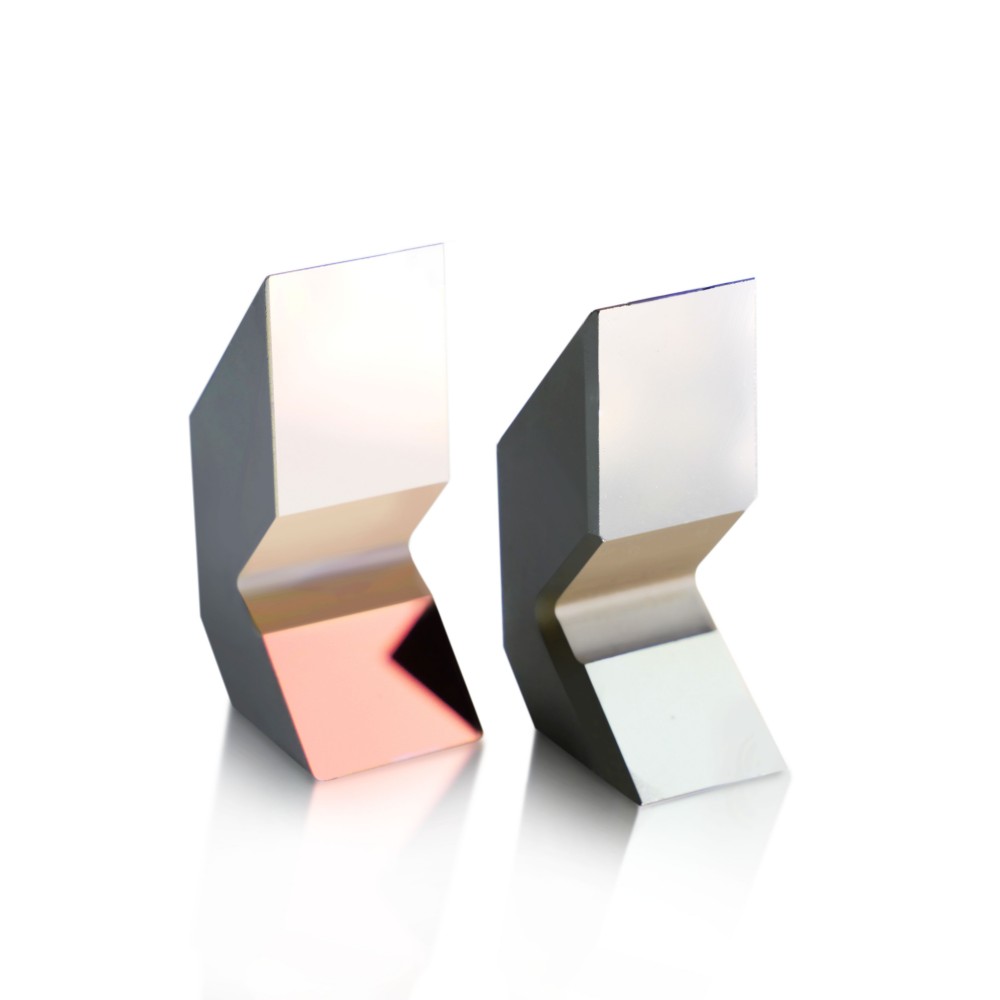
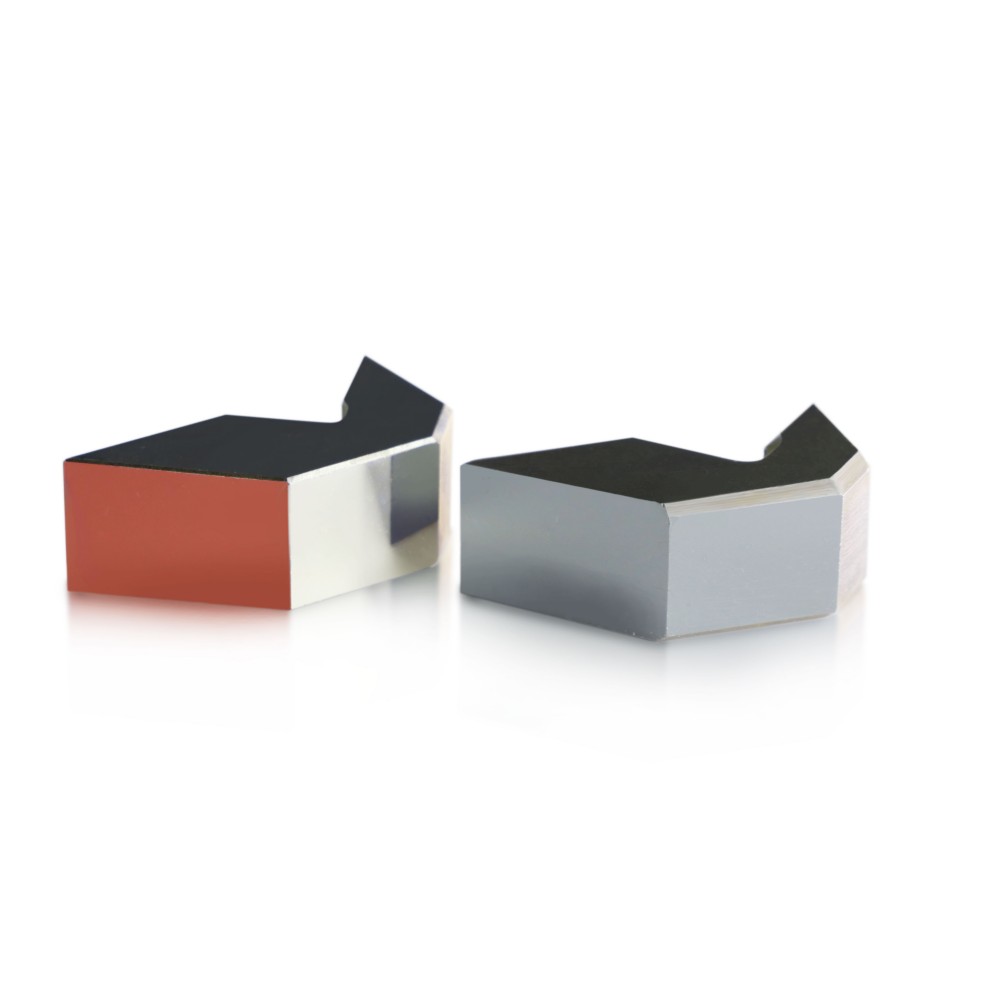
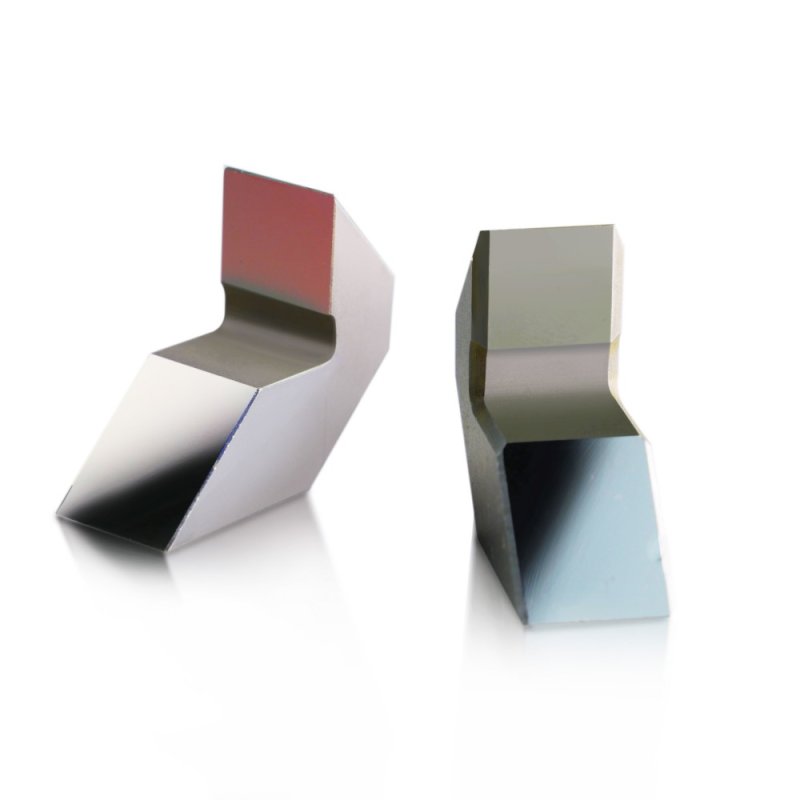
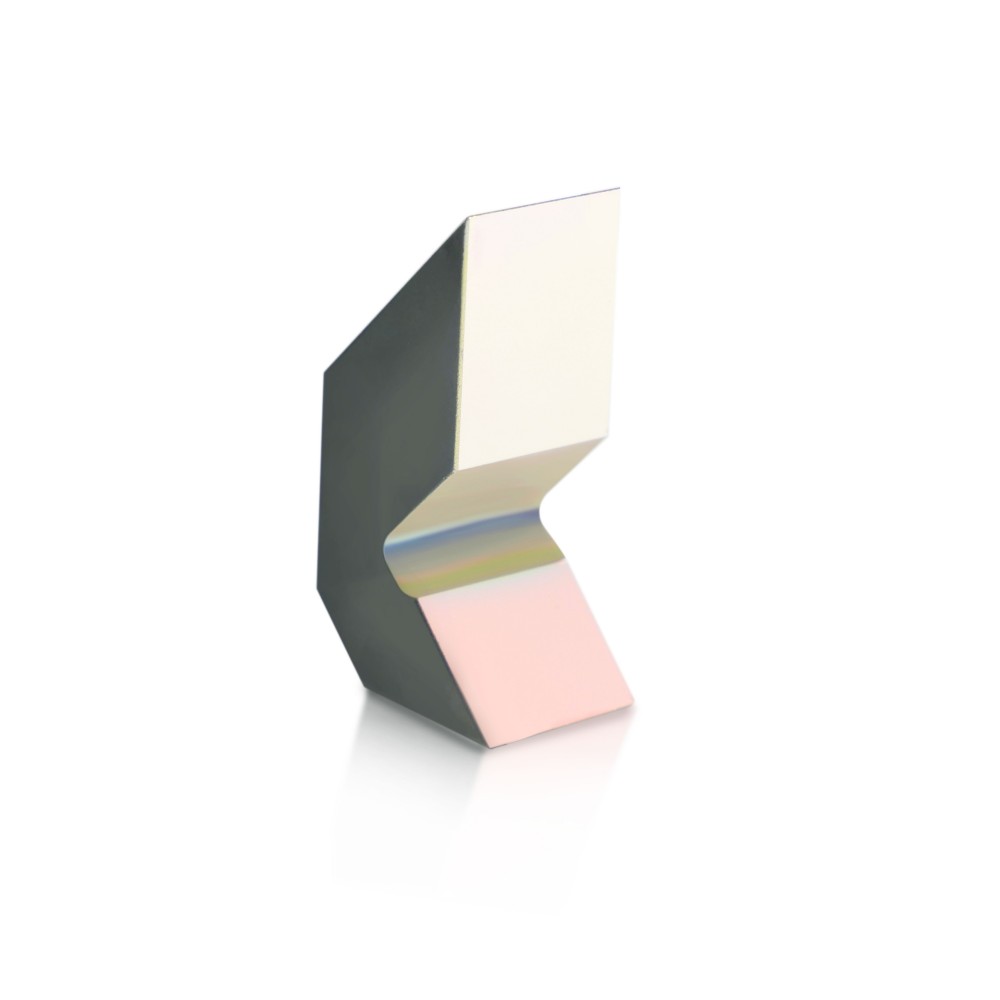
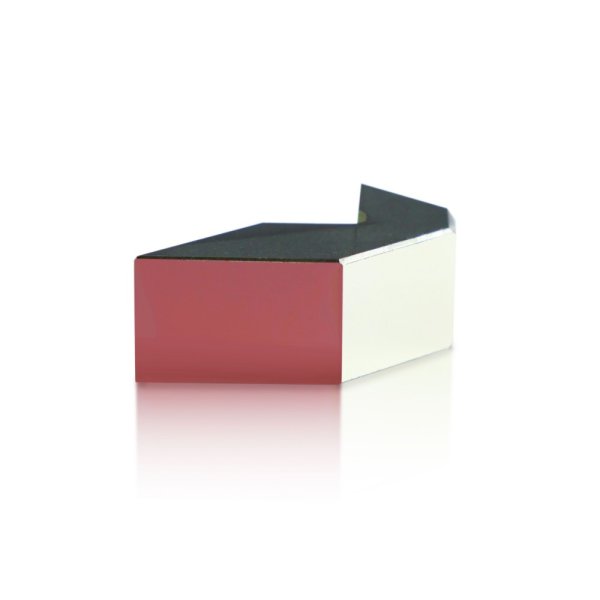
Sulfur-based glass mirrors have a wide range of application prospects in infrared optical systems, thermal imaging systems, and scientific research due to their high refractive index, wide infrared transmittance band, low thermo-optical coefficient, and good chemical stability.
ServiceServiceSulfur-based glass mirrors have a wide range of application prospects in infrared optical systems, thermal imaging systems, and scientific research due to their high refractive index, wide infrared transmittance band, low thermo-optical coefficient, and good chemical stability.
Material properties
High refractive index : Chalcogenide glass typically has a refractive index between 2.0 and 3.5, much higher than ordinary glass, giving it advantages in optical design.
Wide infrared transmission band : Chalcogenide glass has extremely high transmittance in the infrared band, covering the range from 0.6μm to 25μm, and is particularly suitable for the mid-infrared (3~5μm) and long-wave infrared (8~12μm) regions.
Low thermo-optical coefficient : Chalcogenide glass has a low temperature coefficient of refractive index, which means that its optical performance is more stable when the temperature changes, making it an ideal material for athermal design.
Good chemical stability : Chalcogenide glass can resist corrosion from water and acid and is suitable for a variety of environments.
Optical wavelength
Chalcogenide glass lenses have a wide range of transmission wavelengths, typically covering the visible to far infrared region.
In the mid-infrared and long-wave infrared bands, chalcogenide glasses exhibit extremely high transmittance and are suitable for infrared optical systems.
Application scenarios and scope of use
Infrared optical systems : Due to their high infrared transmittance and low thermo-optical coefficient, chalcogenide glass lenses are widely used in infrared windows, infrared lenses, infrared optical fibers and other components.
Thermal imaging systems : Chalcogenide glass lenses, due to their low temperature coefficient of refractive index, are considered the ideal material for athermalization solutions in wide temperature range applications such as security monitoring and automotive applications.
Scientific research and experiments : The unique properties of chalcogenide glass make it valuable for application in scientific research and experiments in physics, chemistry, and other fields.
Special optical design : Chalcogenide glass lenses can be used to manufacture high-precision optical systems and instruments, such as lasers, telescopes, microscopes, etc. At the same time, due to its high refractive index and dispersion properties, it can also be used for lenses and lenses with special optical effects.