Clear records
history record
cancel
Clear records
history record






 The browser own share function is also very useful~
 Service
 Service
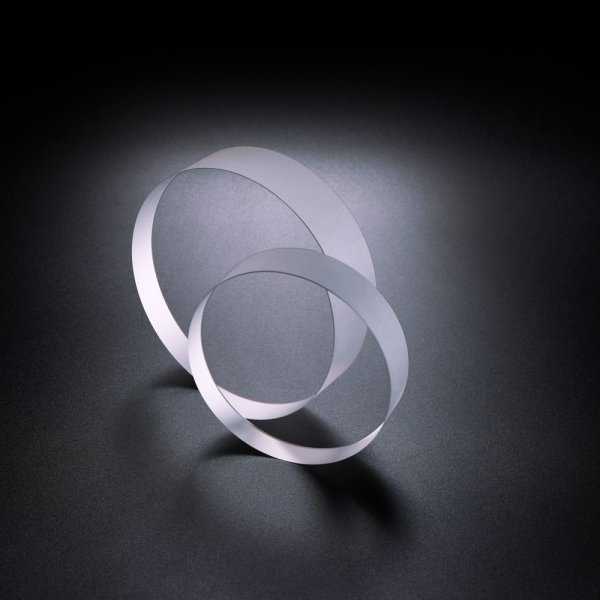
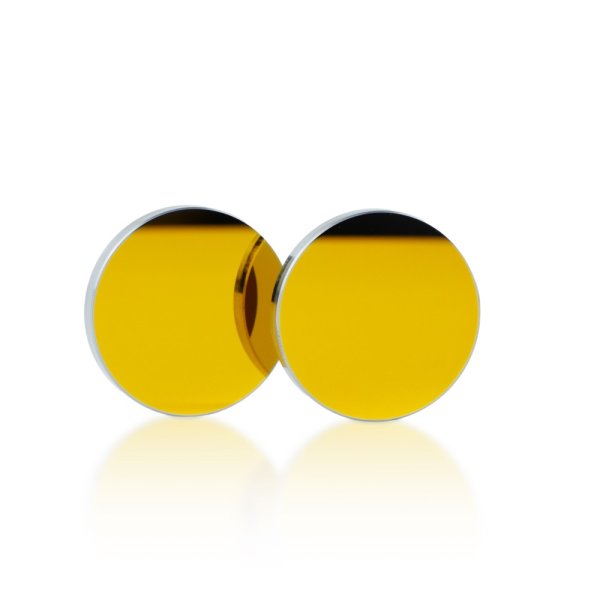
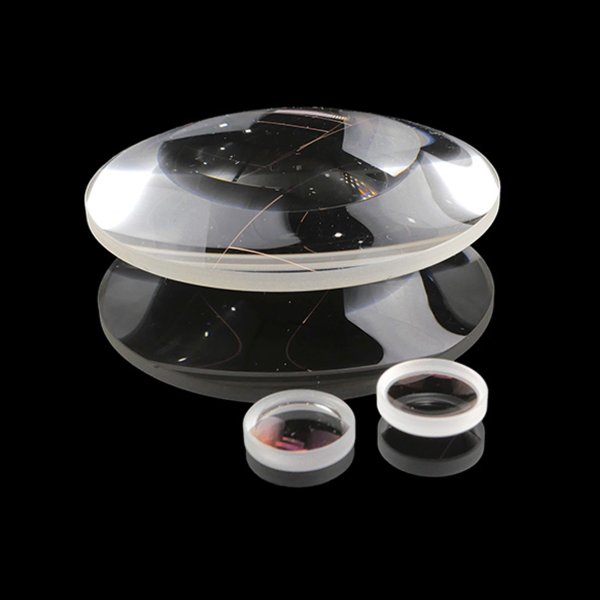
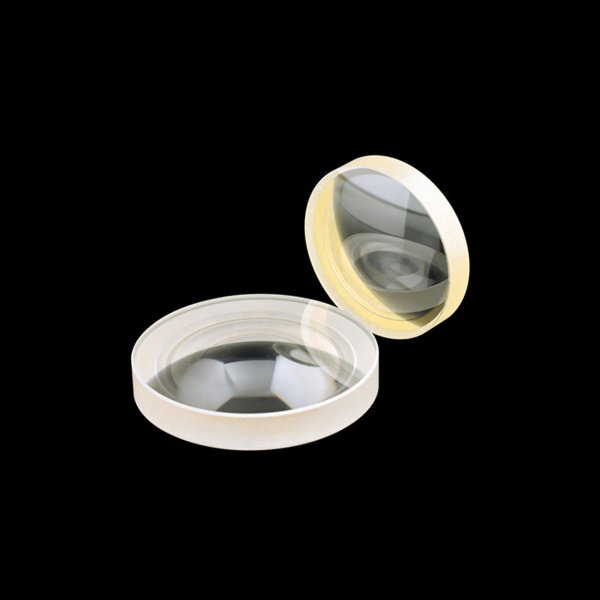
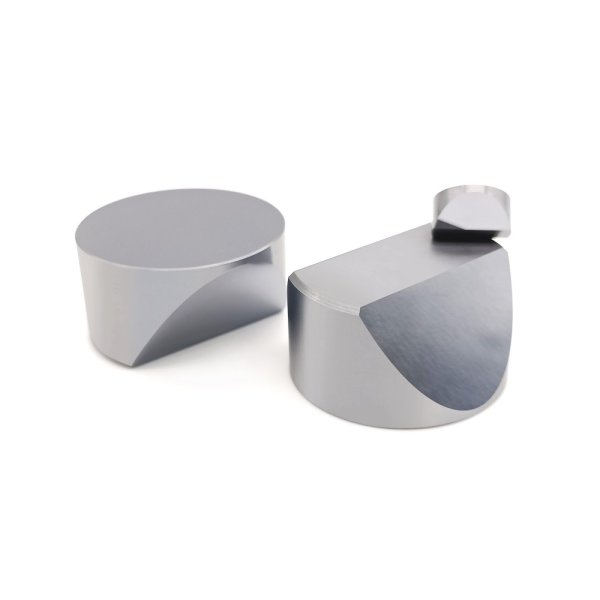
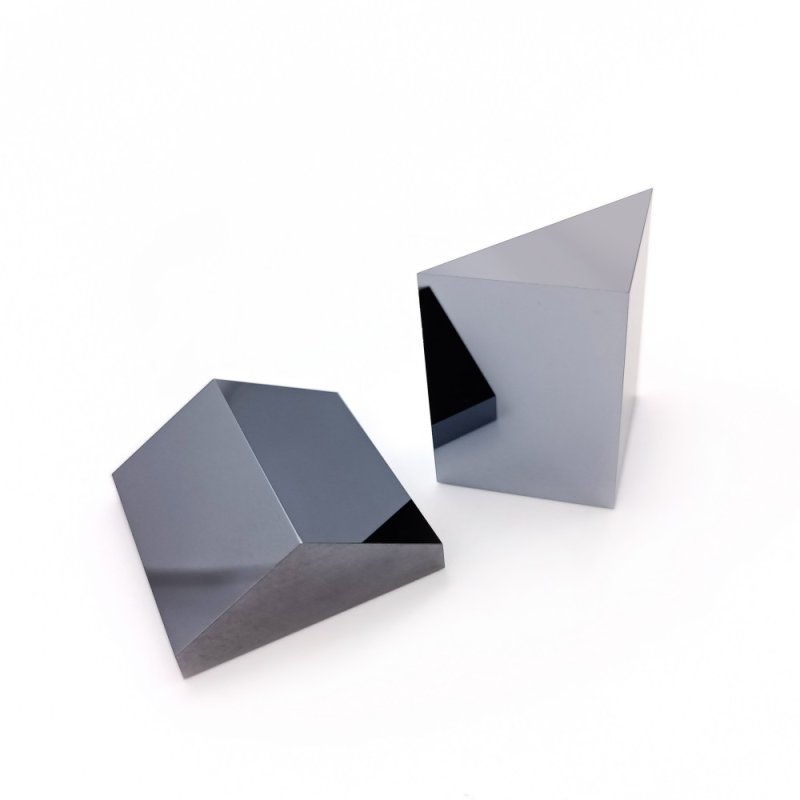
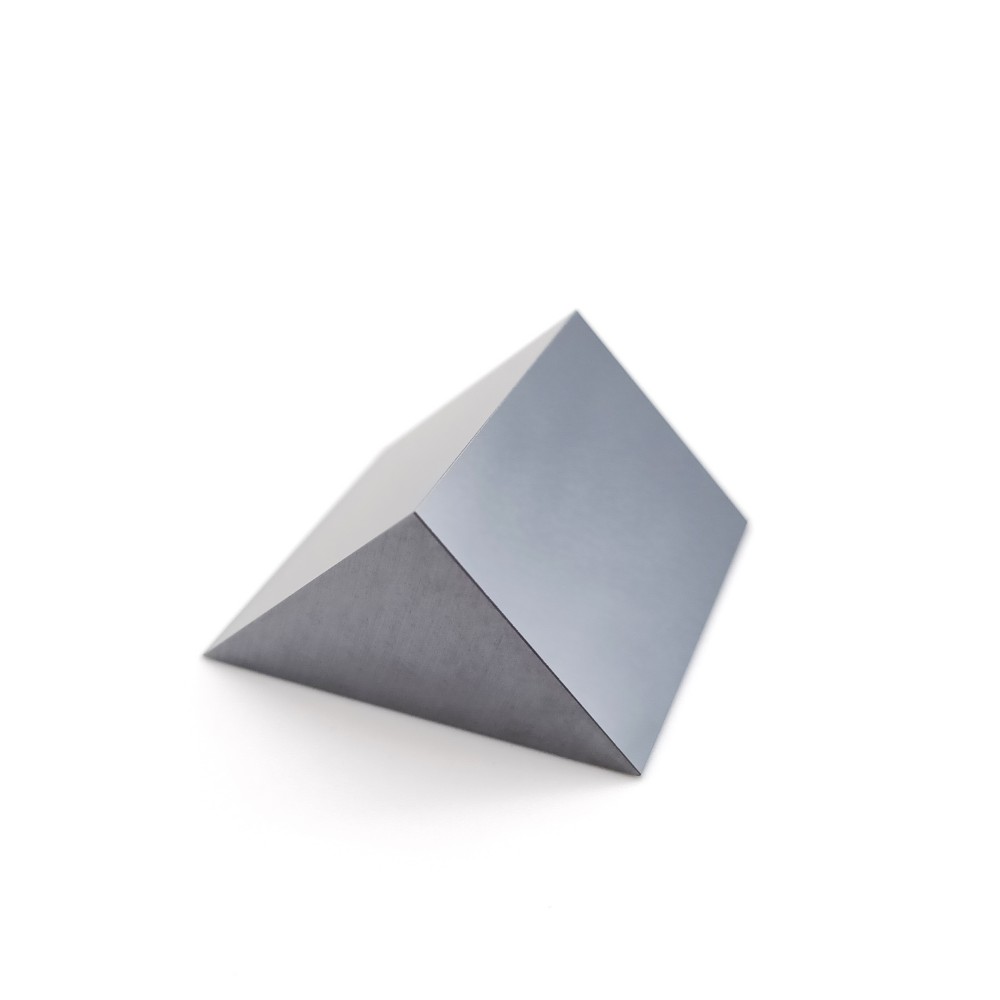
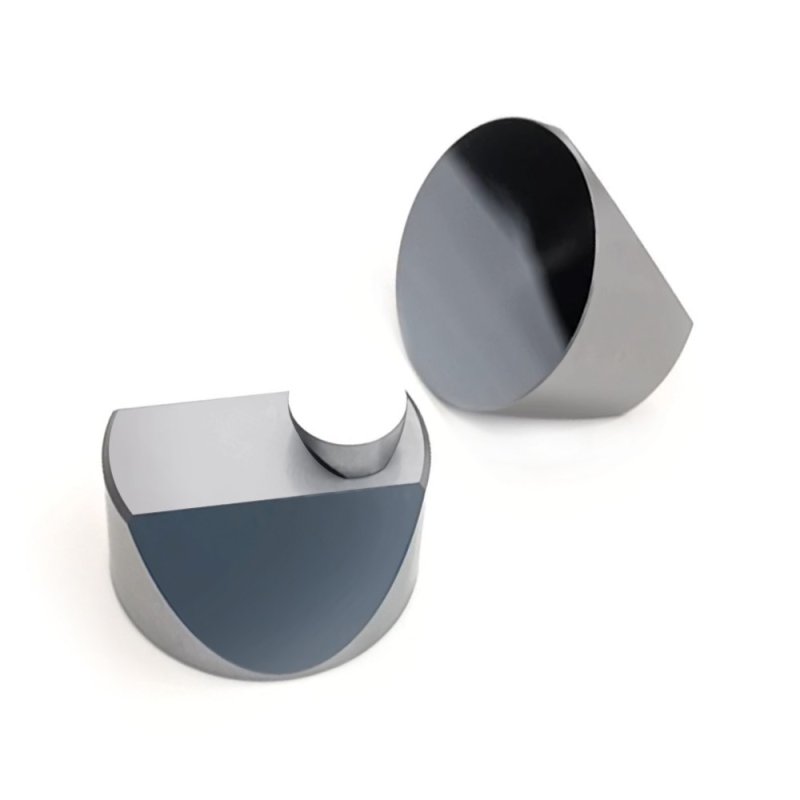
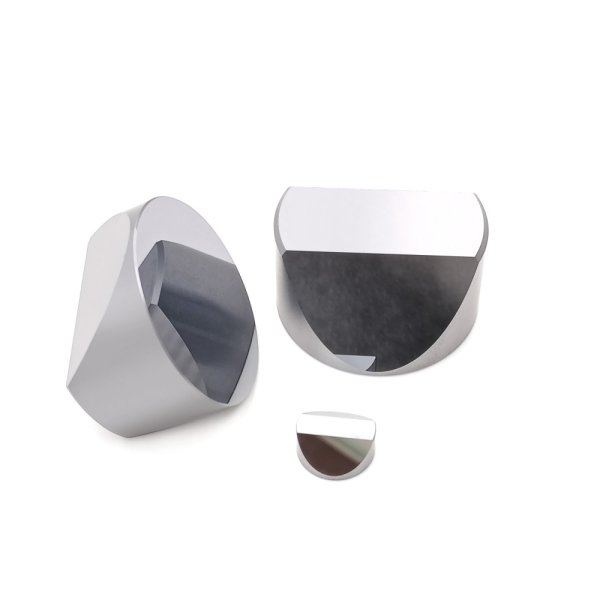
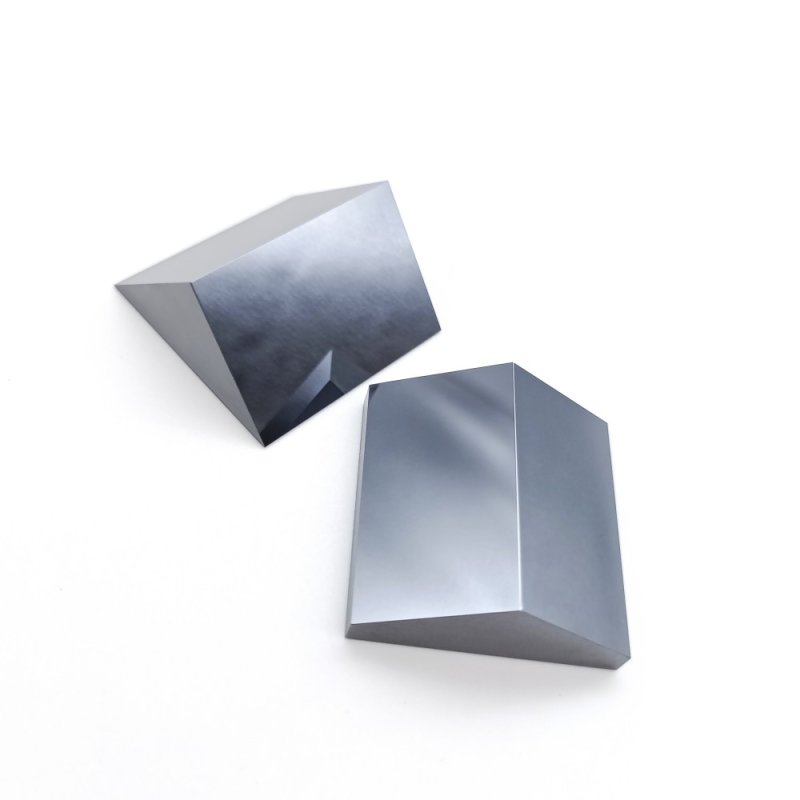
Silicon optical prisms are advanced optical components made from high-purity silicon, designed to manipulate light in various ways for a wide range of applications. Silicon's unique material properties, such as a high refractive index, exceptional transparency in the infrared region, and mechanical durability, make it an ideal choice for optical prism design. These prisms are primarily used to bend, split, or reflect light, and are particularly useful in systems requiring precision and robustness.
Performance characteristics of silicon optical prisms
The performance of silicon optical prisms is determined by several key factors:
Refractive index
Silicon has a high refractive index, typically around 3.4 in the visible spectrum, which enables it to significantly change the path of incoming light. This property makes silicon prisms very efficient in optical systems that require precise control of light direction or scattering.
Wide spectral range
Silicon is transparent in the infrared (IR) range, making silicon prisms an essential material for applications outside the visible spectrum, particularly in the mid-infrared and long-wave infrared.
Mechanical strength and durability
Silicon is a hard material with strong mechanical properties that can withstand harsh conditions, including high temperatures, without degradation. This makes it suitable for demanding environments such as industrial, aerospace or military applications.
Accuracy
Silicon prisms can be manufactured with very high precision, ensuring minimal light distortion or scattering, making them ideal for high-precision optical systems.
Applications of Silicon Optical Prisms
Telecommunications and Fiber Optics : Silicon prisms are used in optical systems that separate or combine signals in fiber-optic communications, as well as in components such as wavelength division multiplexers (WDMs) and optical filters.
Spectroscopy : In spectroscopic applications, silicon prisms are used to disperse light into its component wavelengths. They are particularly important in infrared spectroscopy and environmental monitoring, where accuracy and performance over a wide spectral range are critical.
Laser Systems : Silicon prisms are an integral part of laser systems, used for beam steering, focusing, and wavelength separation, and are commonly used in applications such as material processing, medical devices, and scientific research.
Imaging and optical sensing : Silicon’s high transparency in the infrared range makes it valuable for imaging systems operating at non-visible wavelengths. Silicon prisms are used in infrared imaging, remote sensing, and thermal imagers.
Semiconductors and Microelectronics : In semiconductor manufacturing, silicon prisms play a role in precise light manipulation during inspection and metrology, particularly for lithography and patterning.
Military and Aerospace : Due to their robustness and high-performance properties, silicon optical prisms are used in space exploration, military technology, and missile guidance systems, where durability and precision are critical.
Length (mm) | Width (mm) | Thickness (mm) | Angle mm |
42 | 14 | 2 | 45 |
50 | 20 | 2 | 45 |
52 | 20 | 2 | 45 |
55 | 20 | 2 | 45 |
60 | 12 | 4 | 45 |
68 | 10 | 6 | 45 |
Technical requirements | Commercial Grade | Precision grade | High precision grade |
Size range | 1-600mm | 2-600mm | 2-600mm |
Dimensional tolerance | ±0.1mm | ±0.025mm | ±0.01mm |
Angle tolerance | ±2' | ±30" | ±5" |
Surface quality | 60-40 | 40-20 | 20-10 |
Surface accuracy | 1.0λ | λ/10 | λ/20 |
Coating | 3-5μm T>97% | ||
Chamfer | 0.1-0.5mm×45° | ||
Material | single crystal silicon | ||
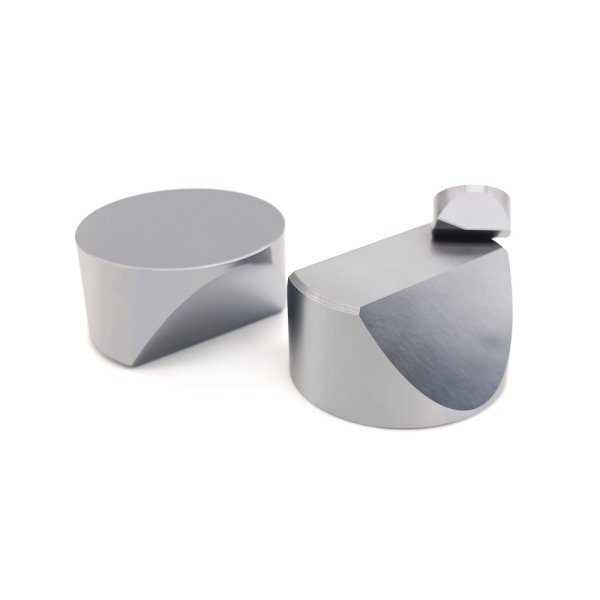
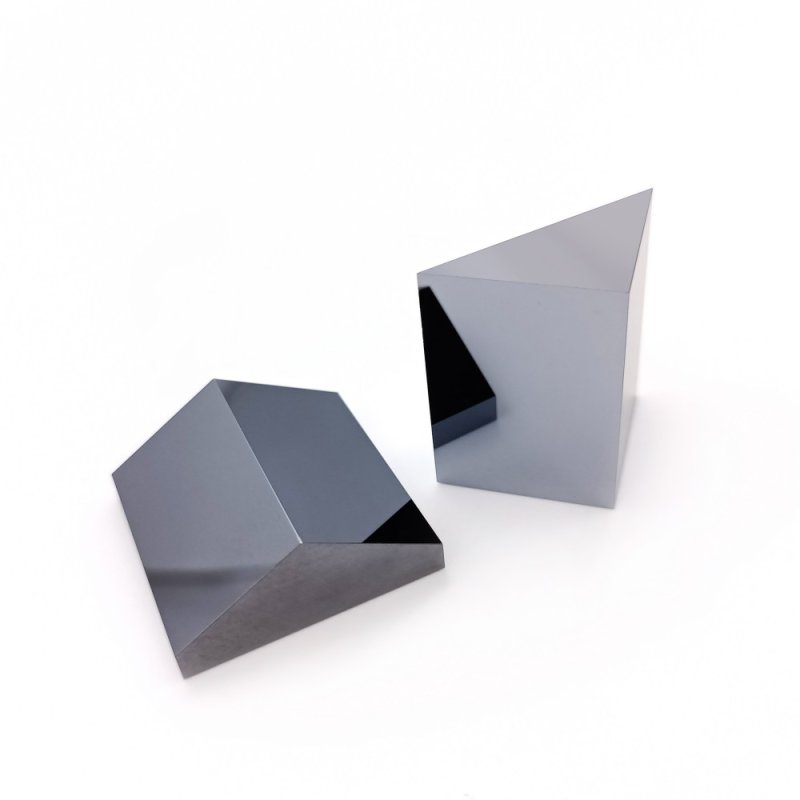
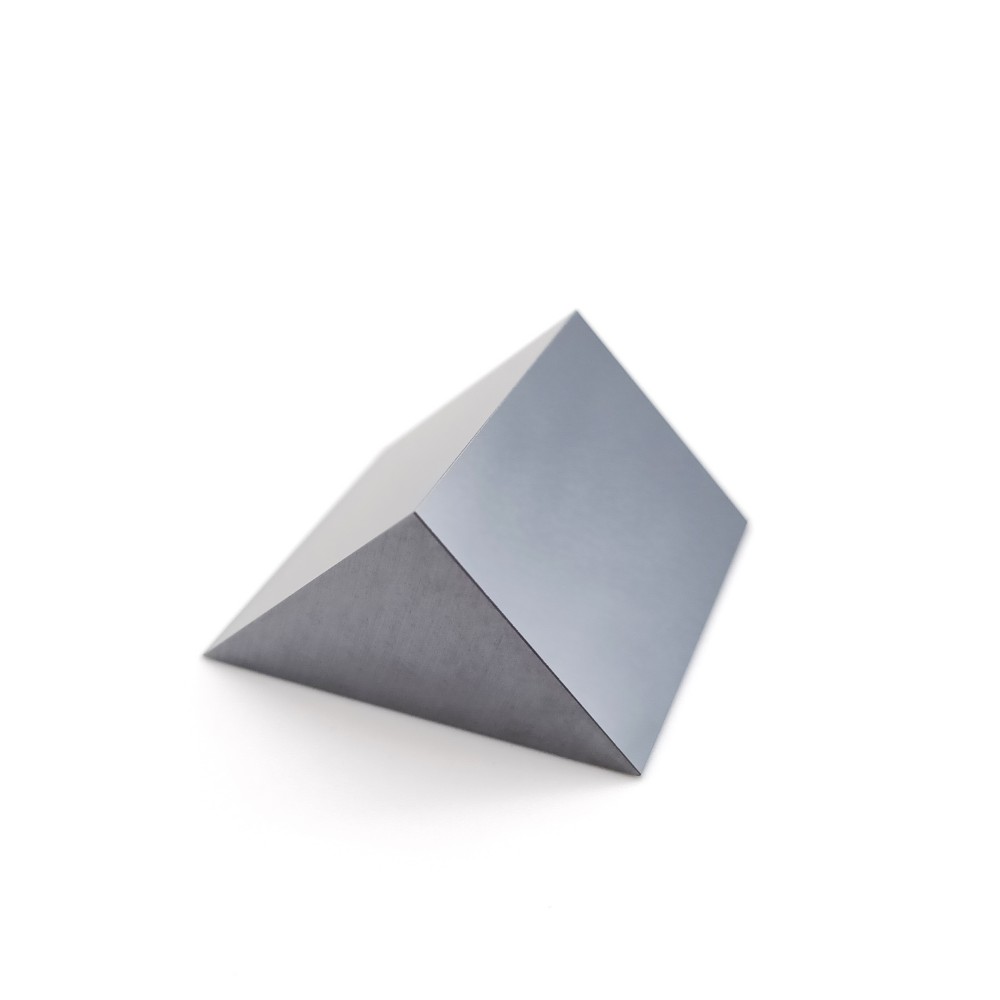
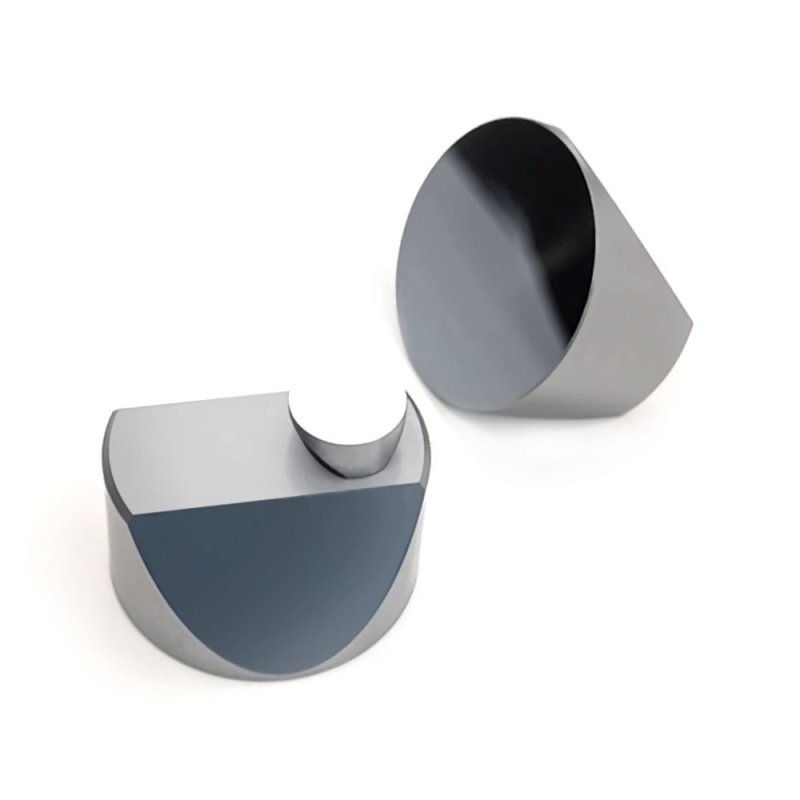
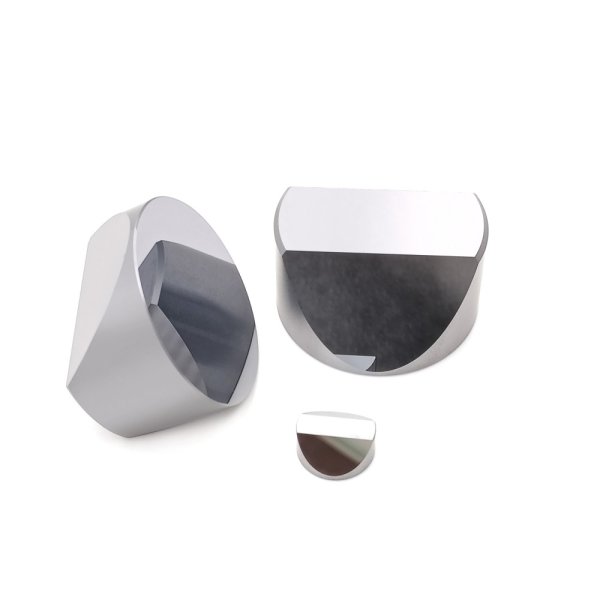
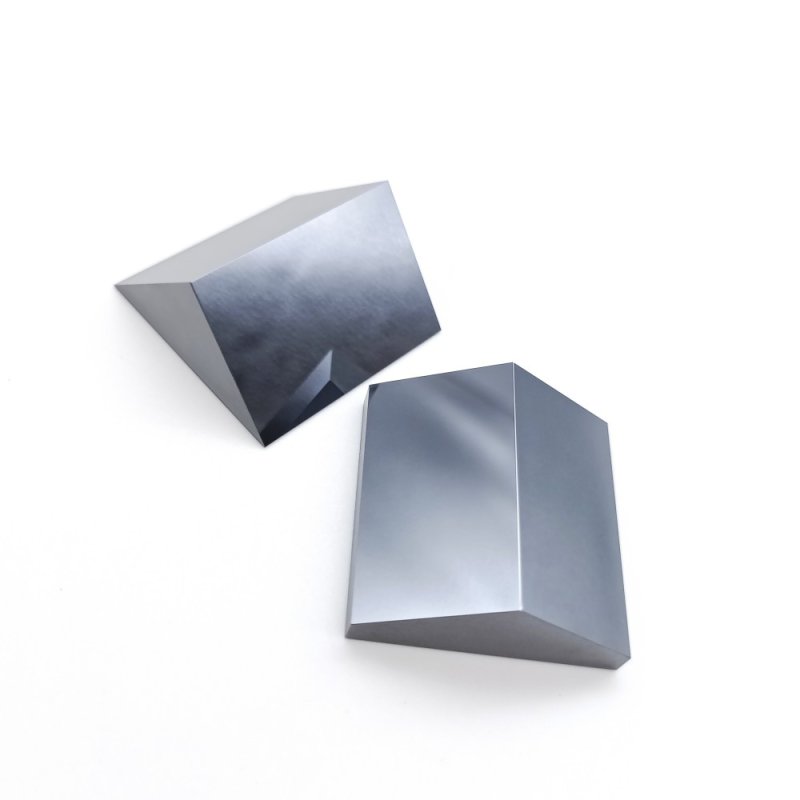
Silicon optical prisms are advanced optical components made from high-purity silicon, designed to manipulate light in various ways for a wide range of applications. Silicon's unique material properties, such as a high refractive index, exceptional transparency in the infrared region, and mechanical durability, make it an ideal choice for optical prism design. These prisms are primarily used to bend, split, or reflect light, and are particularly useful in systems requiring precision and robustness.
Performance characteristics of silicon optical prisms
The performance of silicon optical prisms is determined by several key factors:
Refractive index
Silicon has a high refractive index, typically around 3.4 in the visible spectrum, which enables it to significantly change the path of incoming light. This property makes silicon prisms very efficient in optical systems that require precise control of light direction or scattering.
Wide spectral range
Silicon is transparent in the infrared (IR) range, making silicon prisms an essential material for applications outside the visible spectrum, particularly in the mid-infrared and long-wave infrared.
Mechanical strength and durability
Silicon is a hard material with strong mechanical properties that can withstand harsh conditions, including high temperatures, without degradation. This makes it suitable for demanding environments such as industrial, aerospace or military applications.
Accuracy
Silicon prisms can be manufactured with very high precision, ensuring minimal light distortion or scattering, making them ideal for high-precision optical systems.
Applications of Silicon Optical Prisms
Telecommunications and Fiber Optics : Silicon prisms are used in optical systems that separate or combine signals in fiber-optic communications, as well as in components such as wavelength division multiplexers (WDMs) and optical filters.
Spectroscopy : In spectroscopic applications, silicon prisms are used to disperse light into its component wavelengths. They are particularly important in infrared spectroscopy and environmental monitoring, where accuracy and performance over a wide spectral range are critical.
Laser Systems : Silicon prisms are an integral part of laser systems, used for beam steering, focusing, and wavelength separation, and are commonly used in applications such as material processing, medical devices, and scientific research.
Imaging and optical sensing : Silicon’s high transparency in the infrared range makes it valuable for imaging systems operating at non-visible wavelengths. Silicon prisms are used in infrared imaging, remote sensing, and thermal imagers.
Semiconductors and Microelectronics : In semiconductor manufacturing, silicon prisms play a role in precise light manipulation during inspection and metrology, particularly for lithography and patterning.
Military and Aerospace : Due to their robustness and high-performance properties, silicon optical prisms are used in space exploration, military technology, and missile guidance systems, where durability and precision are critical.
Length (mm) | Width (mm) | Thickness (mm) | Angle mm |
42 | 14 | 2 | 45 |
50 | 20 | 2 | 45 |
52 | 20 | 2 | 45 |
55 | 20 | 2 | 45 |
60 | 12 | 4 | 45 |
68 | 10 | 6 | 45 |
Technical requirements | Commercial Grade | Precision grade | High precision grade |
Size range | 1-600mm | 2-600mm | 2-600mm |
Dimensional tolerance | ±0.1mm | ±0.025mm | ±0.01mm |
Angle tolerance | ±2' | ±30" | ±5" |
Surface quality | 60-40 | 40-20 | 20-10 |
Surface accuracy | 1.0λ | λ/10 | λ/20 |
Coating | 3-5μm T>97% | ||
Chamfer | 0.1-0.5mm×45° | ||
Material | single crystal silicon | ||