Clear records
history record
cancel
Clear records
history record





 The browser own share function is also very useful~
 Service
 Service
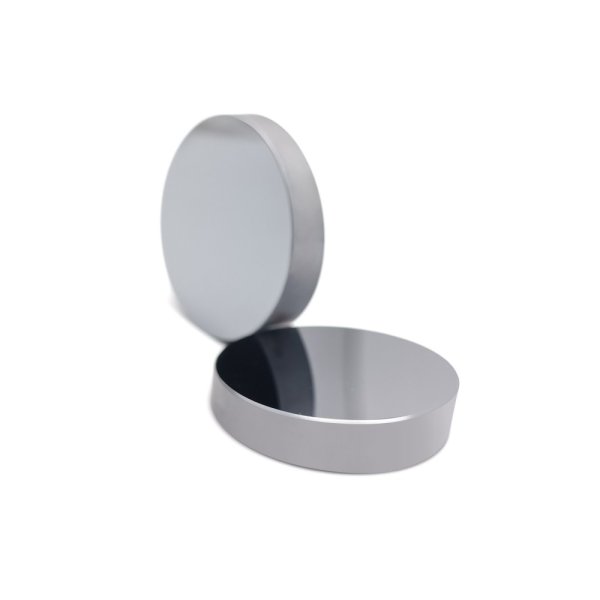
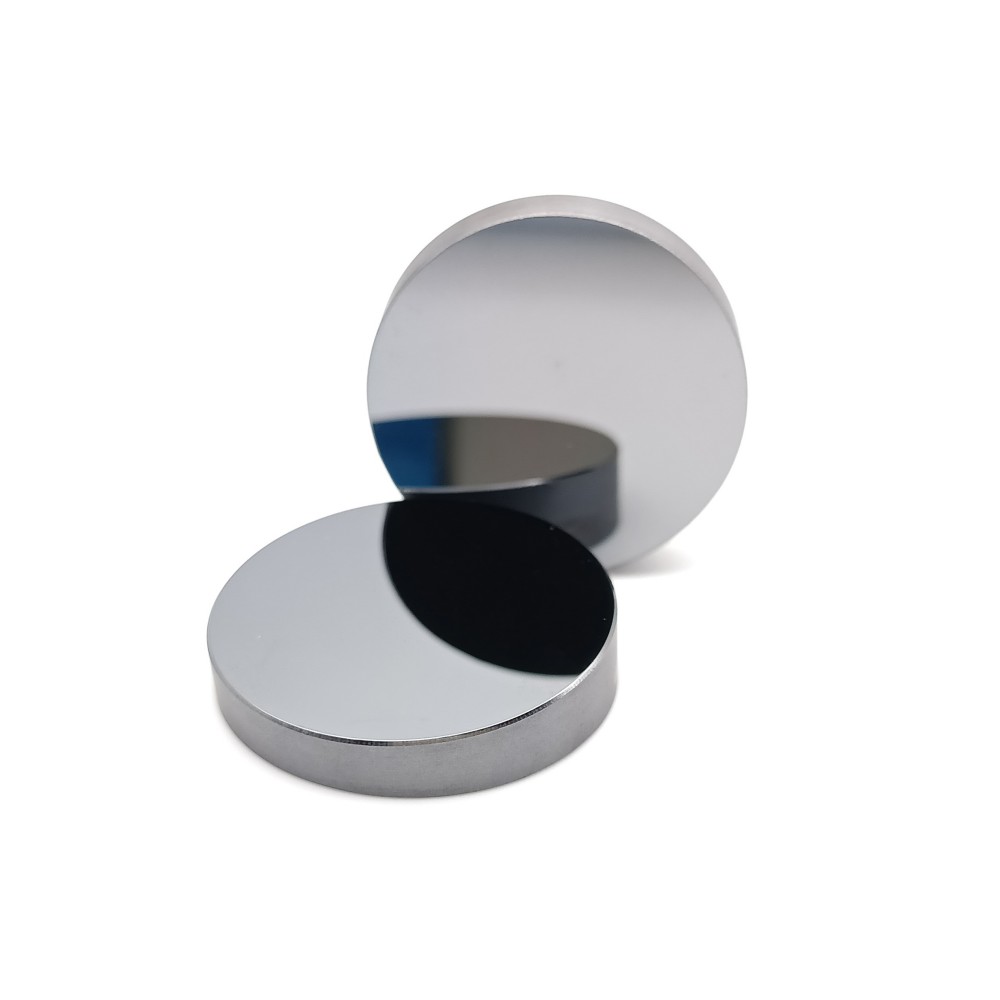
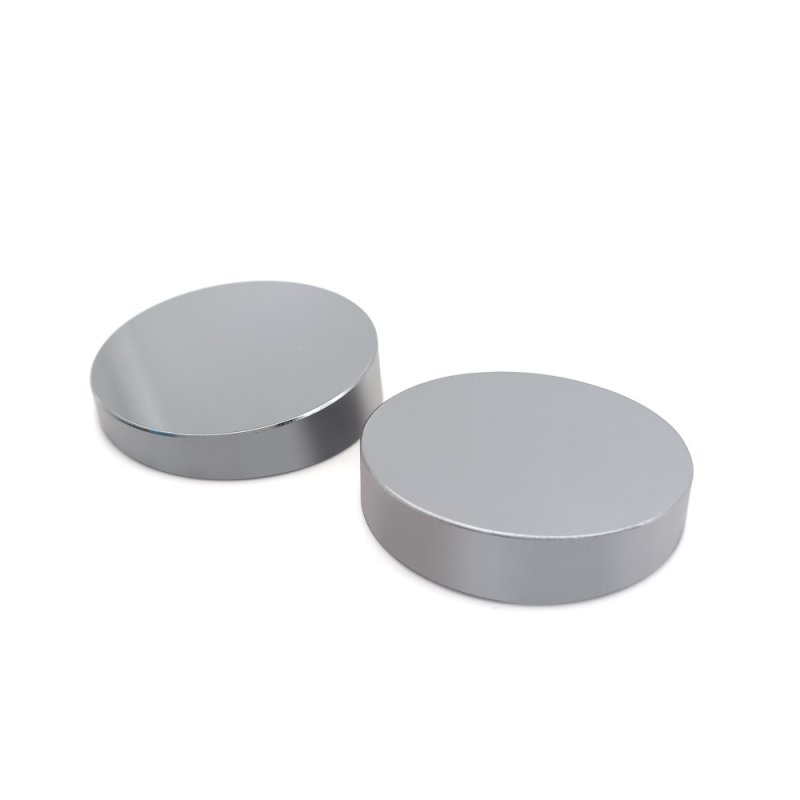
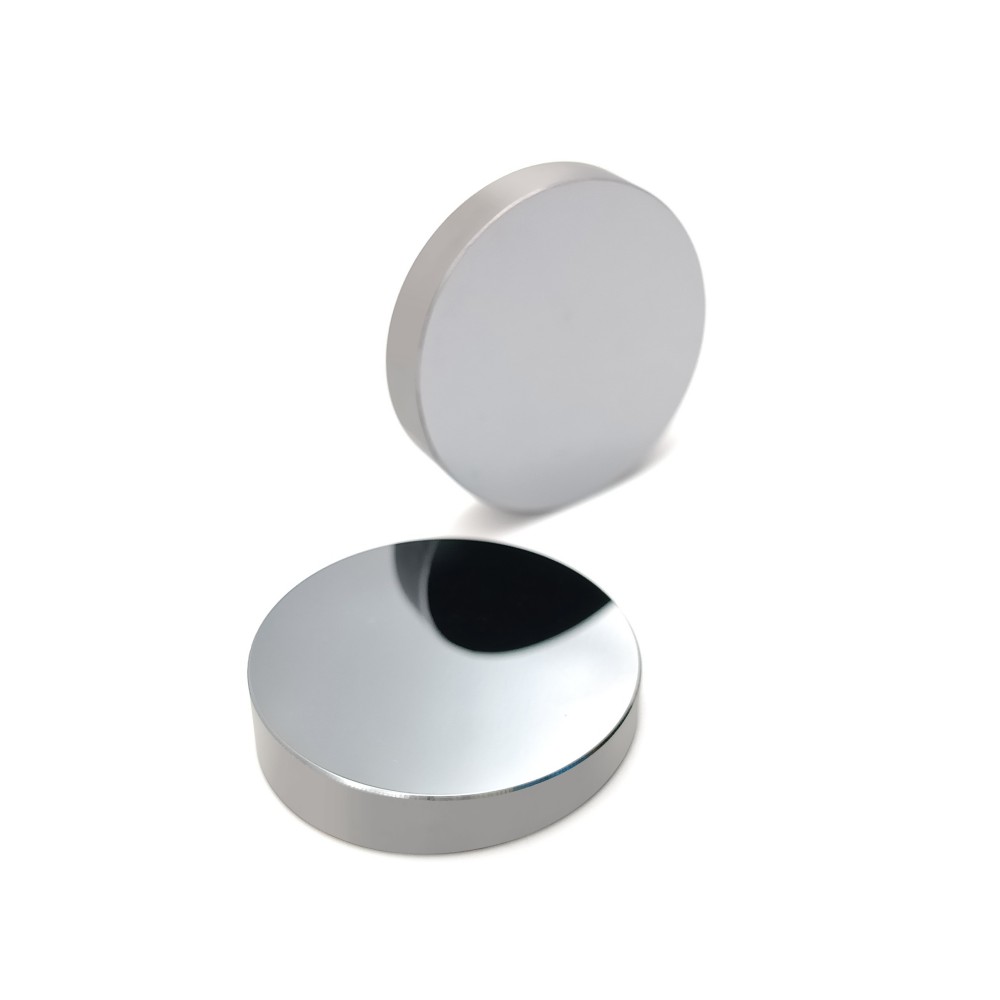
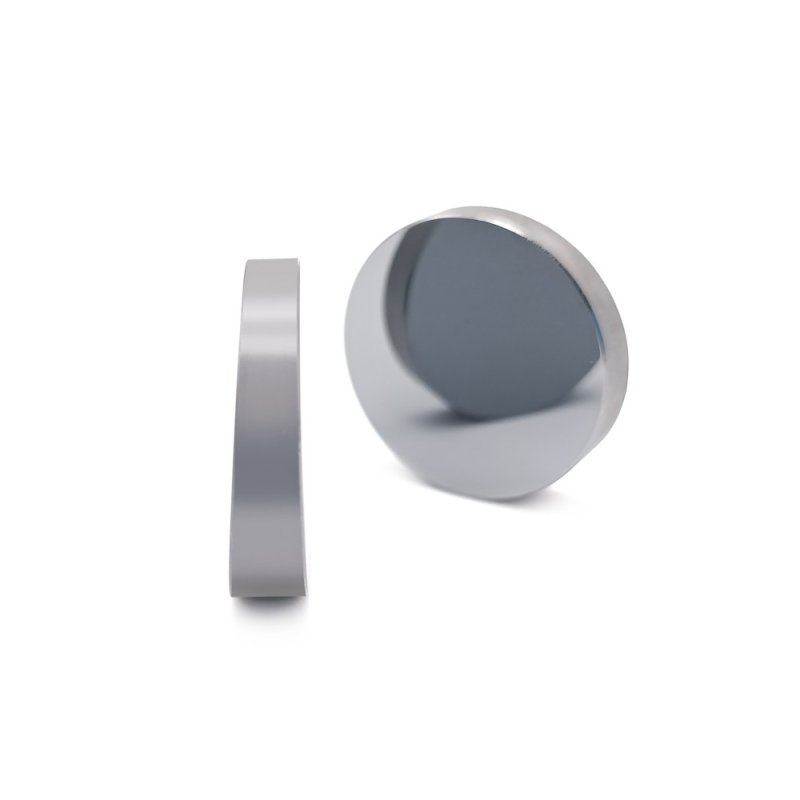
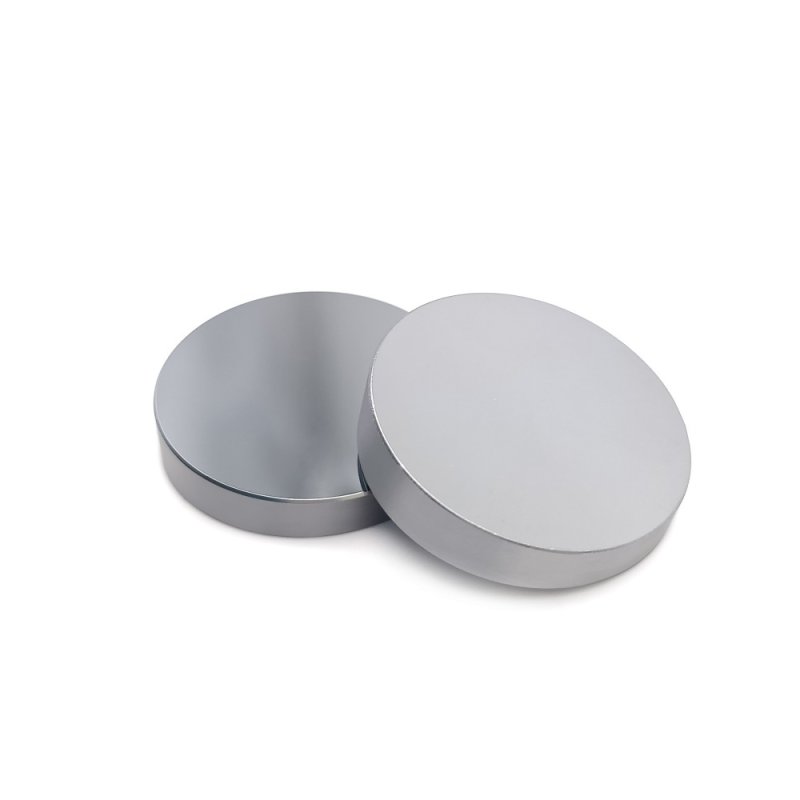
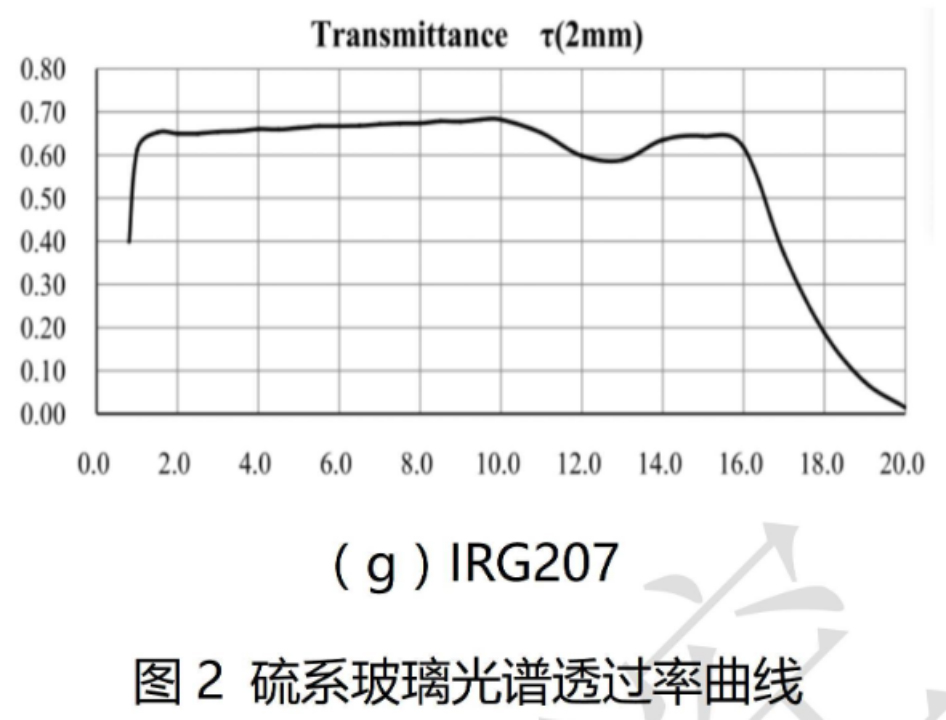
Chalcogenide glass boasts superior refractive index uniformity and stability, making it an ideal optical material for correcting chromatic aberration and preventing thermal defocusing in infrared optical lenses within the 2-12μm range. Furthermore, due to its low thermal transition temperature and stable chemical properties, chalcogenide glass lenses can be manufactured using precision molding, facilitating large-scale mass production. Chalcogenide glass is primarily used in surveillance equipment and systems, marine/shipbuilding, fire/police equipment, sensors, and infrared products.
Diameter (mm) | Thickness (mm) | Coating requirements | Diameter (mm) | Thickness (mm) |
10 | 1 | AR/AR 3-5μm AR/AR 8-12μm Other sizes or coating bands can be customized according to customer requirements | 75 | 3 |
12.5 | 1 | 75 | 5 | |
20 | 2 | 76.2 | 6 | |
25 | 3 | 80 | 8 | |
30 | 3 | 90 | 10 | |
38.1 | 3 | 100 | 10 | |
40 | 4 | 150 | 15 | |
50 | 3 | 180 | 18 | |
50.8 | 3 | 200 | 20 | |
63.5 | 5 | 300 | 35 |
Technical requirements | Commercial Grade | High precision grade |
Size range | 1-300mm | 1-300mm |
Diameter tolerance | Soil 0.1mm | Soil 0.01mm |
Thickness tolerance | Soil 0.1mm | Soil 0.01mm |
Parallel deviation | ±3´ | ±2´´ |
Surface quality | 60-40 | 20-10 |
Surface accuracy | 1.0λ | λ/20 |
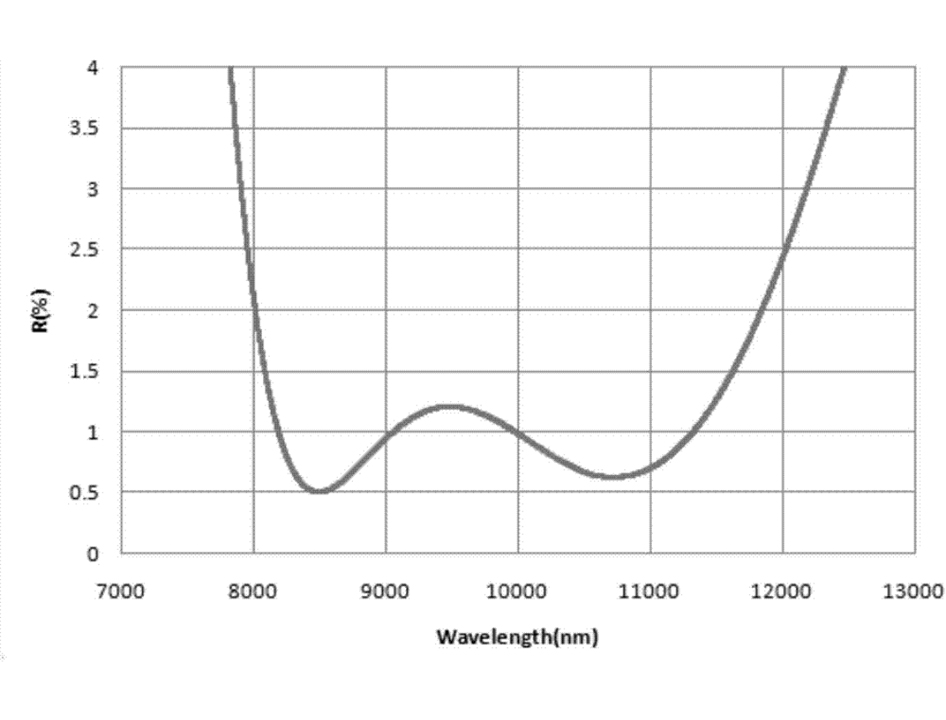
Coating | AR/AR 3-5μm AR/AR 8-12μm | |
Chamfer | 0.1-0.5mm*45° | |
Material | Chalcogenide glass | |
Material properties
Transparency range : Chalcogenide glasses have good transparency in the mid-infrared band (2-20 microns), and some materials can even extend to the far infrared band (20-100 microns).
Refractive Index : The refractive index is typically high, ranging from 2.0 to 3.0, depending on the composition of the glass.
Hardness : Chalcogenide glass has a low hardness, usually between 2 and 3 on the Mohs scale. Care should be taken during processing and use to prevent scratches.
Thermal expansion coefficient : The thermal expansion coefficient is high, so you need to pay attention to thermal stress issues.
Application Areas
Infrared optical systems : Chalcogenide glass windows are widely used in infrared spectrometers, infrared imaging systems, infrared lasers and other equipment.
Infrared sensor : used to manufacture infrared sensor windows, especially in situations where mid-infrared wavelengths need to be transmitted.
Infrared filters : Chalcogenide glasses can be used to manufacture infrared filters in specific wavelength bands, especially in situations where mid-infrared wavelengths need to be transmitted.
Infrared lenses and windows : In infrared optical systems, chalcogenide glasses are often used as lens and window materials to achieve high transmittance and low absorption.
Processing and handling
Cutting and polishing : Chalcogenide glass has a low hardness and requires specialized cutting and polishing techniques to ensure surface quality and optical performance.
Coating : Chalcogenide glass windows are often treated with an anti-reflection coating to improve their optical performance, especially in the infrared.
Precautions
Environmental influence : Chalcogenide glass is very sensitive to humidity and easily absorbs moisture, so it needs proper protection in high humidity environments to prevent surface contamination and corrosion.
Mechanical strength : Due to the low hardness of chalcogenide glass, avoid severe impact or pressure during use to avoid damage.
Common chalcogenide glass types
As-S (arsenic-sulfur) glass : has good transmittance in the mid-infrared band and is commonly used in infrared optical systems.
As-Se (arsenic selenide) glass : has a wider transmittance range and is suitable for use in the mid-infrared and far-infrared bands.
Ge-As-Se (germanium arsenic selenide) glass : has a higher refractive index and better thermal stability, suitable for high-performance infrared optical systems.
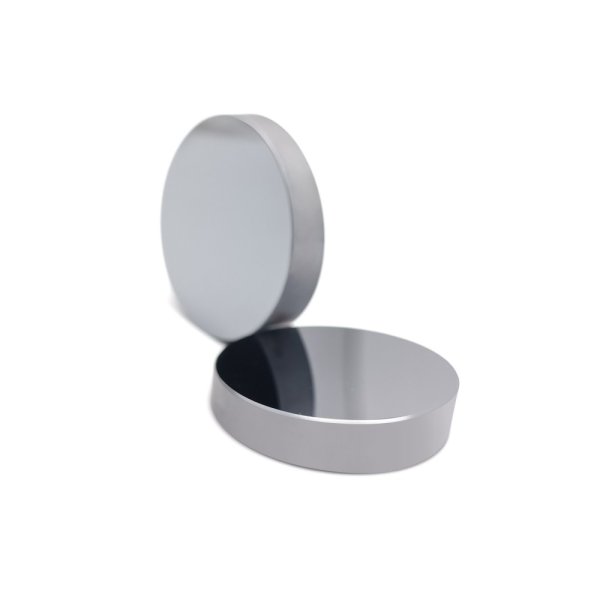
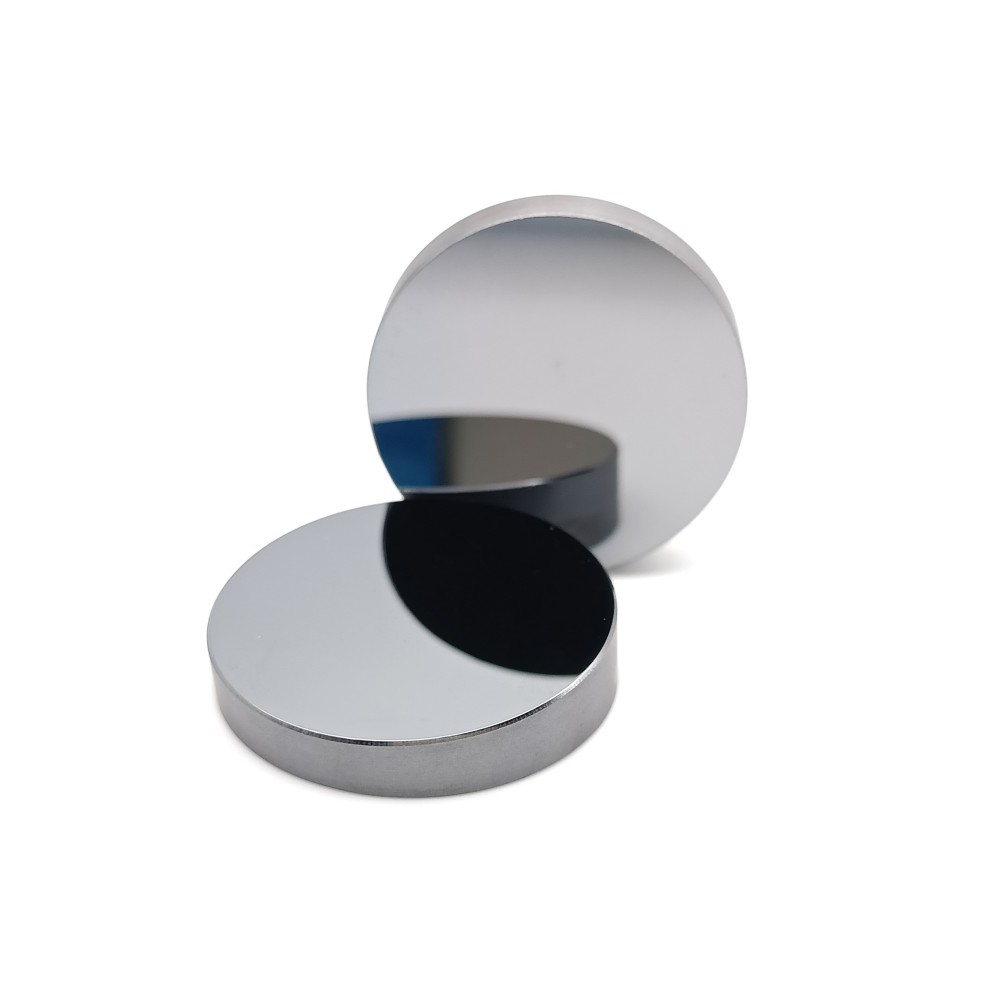
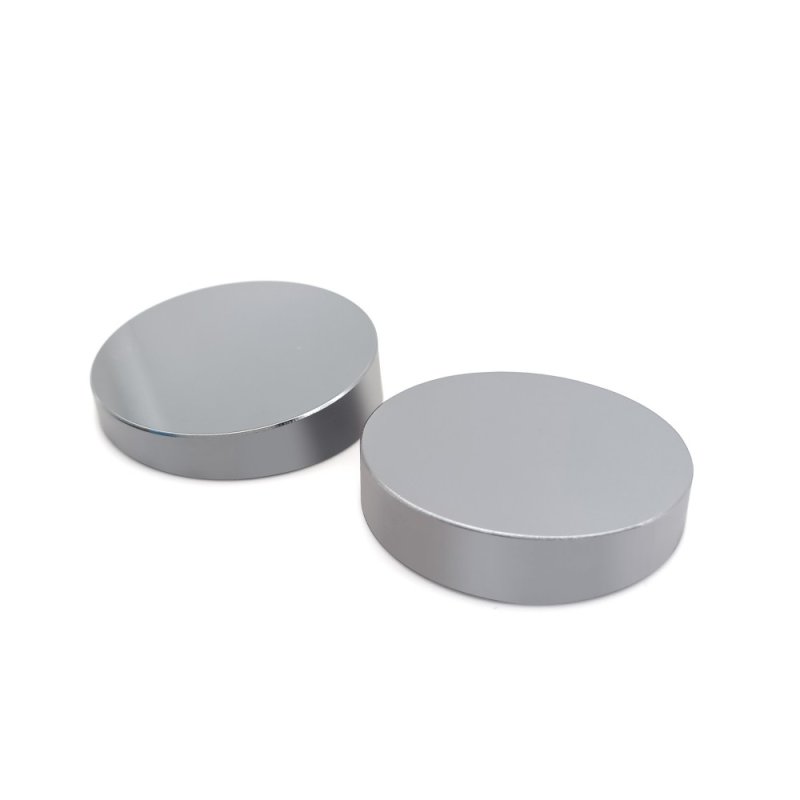
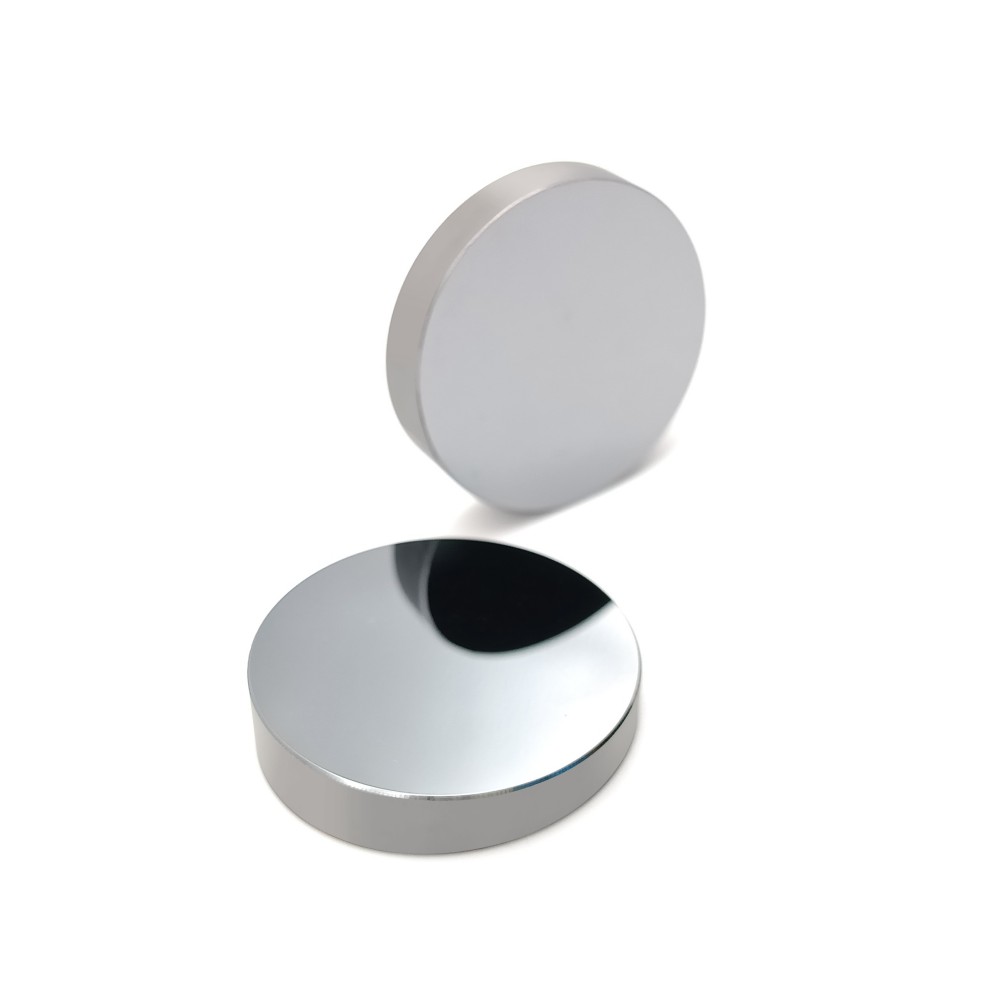
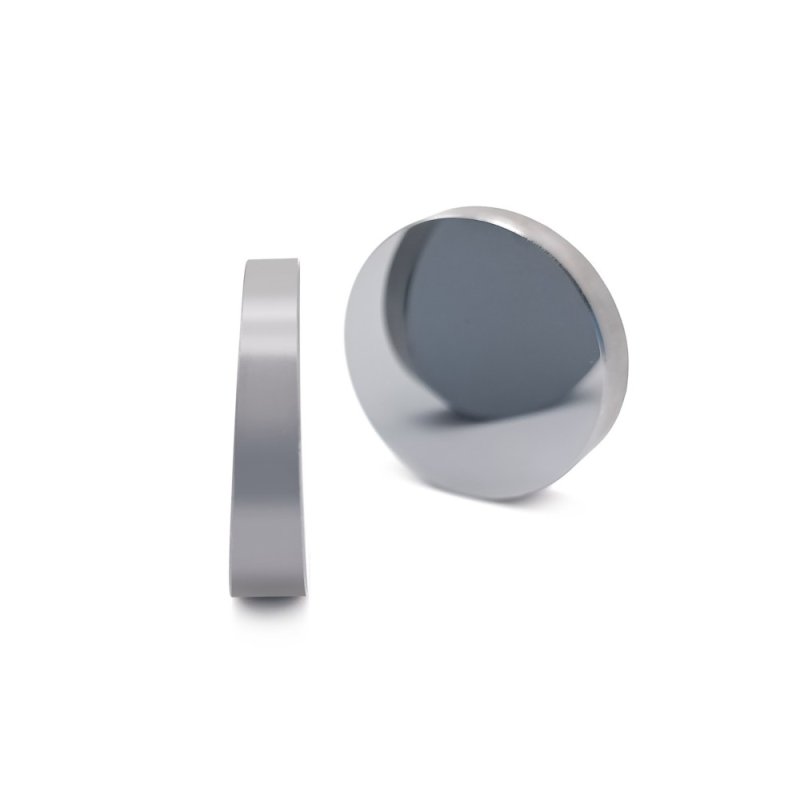
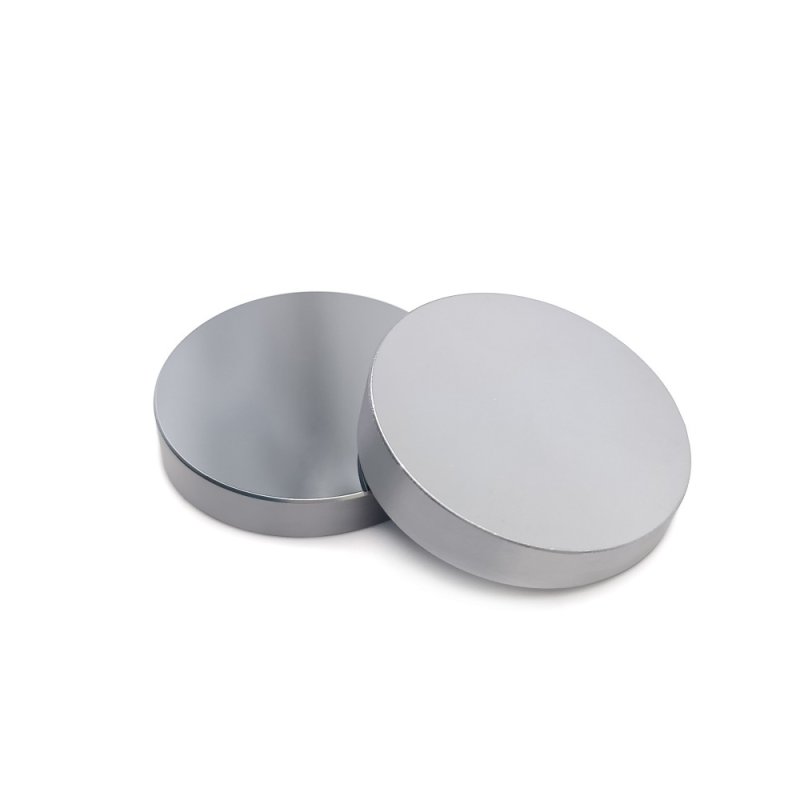
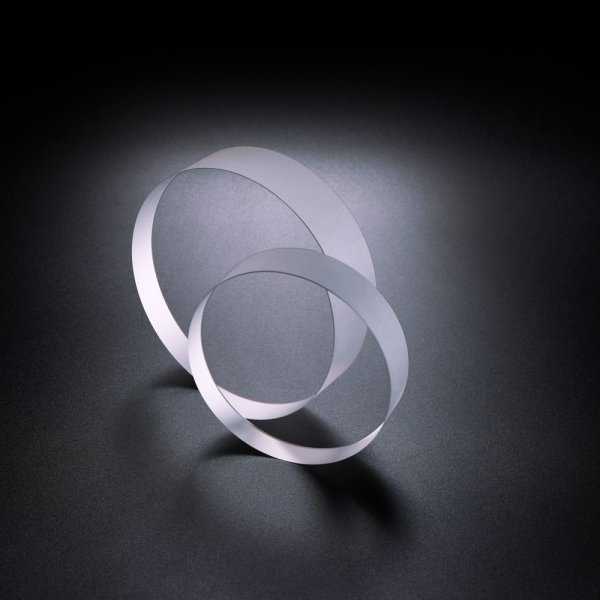
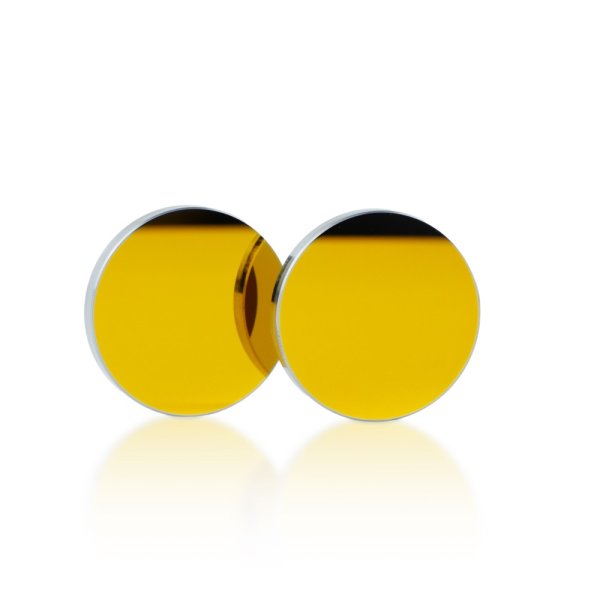
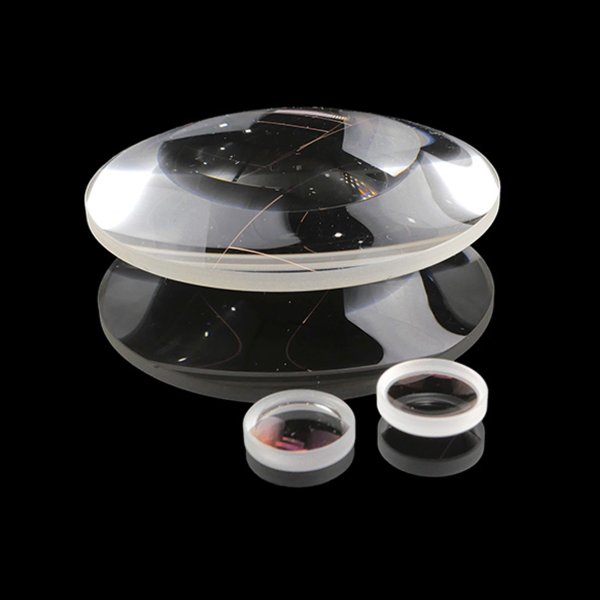
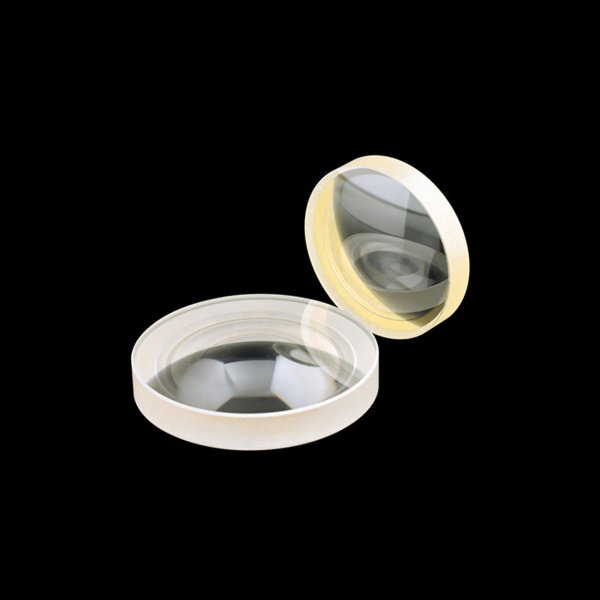
Chalcogenide glass optical window
Chalcogenide glass has excellent refractive index uniformity and stability, and is an ideal optical material for achieving chromatic aberration correction and avoiding thermal defocusing in infrared optical lenses in the range of 2-12μm.
ServiceServiceChalcogenide glass boasts superior refractive index uniformity and stability, making it an ideal optical material for correcting chromatic aberration and preventing thermal defocusing in infrared optical lenses within the 2-12μm range. Furthermore, due to its low thermal transition temperature and stable chemical properties, chalcogenide glass lenses can be manufactured using precision molding, facilitating large-scale mass production. Chalcogenide glass is primarily used in surveillance equipment and systems, marine/shipbuilding, fire/police equipment, sensors, and infrared products.
Diameter (mm) | Thickness (mm) | Coating requirements | Diameter (mm) | Thickness (mm) |
10 | 1 | AR/AR 3-5μm AR/AR 8-12μm Other sizes or coating bands can be customized according to customer requirements | 75 | 3 |
12.5 | 1 | 75 | 5 | |
20 | 2 | 76.2 | 6 | |
25 | 3 | 80 | 8 | |
30 | 3 | 90 | 10 | |
38.1 | 3 | 100 | 10 | |
40 | 4 | 150 | 15 | |
50 | 3 | 180 | 18 | |
50.8 | 3 | 200 | 20 | |
63.5 | 5 | 300 | 35 |
Technical requirements | Commercial Grade | High precision grade |
Size range | 1-300mm | 1-300mm |
Diameter tolerance | Soil 0.1mm | Soil 0.01mm |
Thickness tolerance | Soil 0.1mm | Soil 0.01mm |
Parallel deviation | ±3´ | ±2´´ |
Surface quality | 60-40 | 20-10 |
Surface accuracy | 1.0λ | λ/20 |
Coating | AR/AR 3-5μm AR/AR 8-12μm | |
Chamfer | 0.1-0.5mm*45° | |
Material | Chalcogenide glass | |
Material properties
Transparency range : Chalcogenide glasses have good transparency in the mid-infrared band (2-20 microns), and some materials can even extend to the far infrared band (20-100 microns).
Refractive Index : The refractive index is typically high, ranging from 2.0 to 3.0, depending on the composition of the glass.
Hardness : Chalcogenide glass has a low hardness, usually between 2 and 3 on the Mohs scale. Care should be taken during processing and use to prevent scratches.
Thermal expansion coefficient : The thermal expansion coefficient is high, so you need to pay attention to thermal stress issues.
Application Areas
Infrared optical systems : Chalcogenide glass windows are widely used in infrared spectrometers, infrared imaging systems, infrared lasers and other equipment.
Infrared sensor : used to manufacture infrared sensor windows, especially in situations where mid-infrared wavelengths need to be transmitted.
Infrared filters : Chalcogenide glasses can be used to manufacture infrared filters in specific wavelength bands, especially in situations where mid-infrared wavelengths need to be transmitted.
Infrared lenses and windows : In infrared optical systems, chalcogenide glasses are often used as lens and window materials to achieve high transmittance and low absorption.
Processing and handling
Cutting and polishing : Chalcogenide glass has a low hardness and requires specialized cutting and polishing techniques to ensure surface quality and optical performance.
Coating : Chalcogenide glass windows are often treated with an anti-reflection coating to improve their optical performance, especially in the infrared.
Precautions
Environmental influence : Chalcogenide glass is very sensitive to humidity and easily absorbs moisture, so it needs proper protection in high humidity environments to prevent surface contamination and corrosion.
Mechanical strength : Due to the low hardness of chalcogenide glass, avoid severe impact or pressure during use to avoid damage.
Common chalcogenide glass types
As-S (arsenic-sulfur) glass : has good transmittance in the mid-infrared band and is commonly used in infrared optical systems.
As-Se (arsenic selenide) glass : has a wider transmittance range and is suitable for use in the mid-infrared and far-infrared bands.
Ge-As-Se (germanium arsenic selenide) glass : has a higher refractive index and better thermal stability, suitable for high-performance infrared optical systems.